
How To
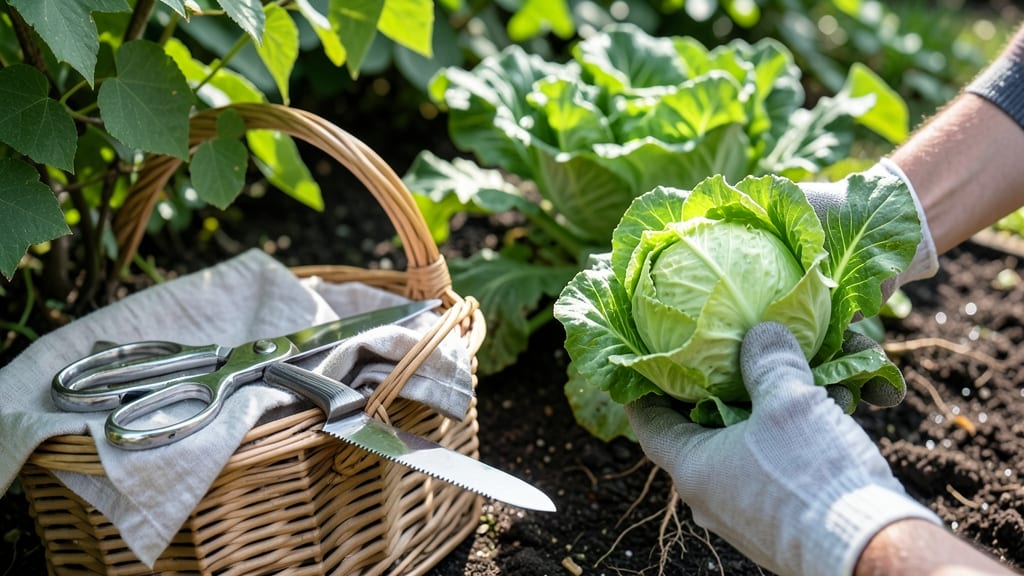
To harvest lettuce at its peak flavor and encourage regrowth, focus on timing and technique—cutting too early or too late ruins both the taste and your future crop.
Picture this: you’re about to enjoy a crisp, sweet salad, only to bite into a tough, bitter leaf. That’s what happens when you harvest 🥬 lettuce too late. But get it right, and you’ll enjoy a steady supply of fresh greens all season long.
Most gardeners don’t realize that harvesting lettuce isn’t just about pulling leaves—it’s about knowing when to trim for regrowth or when to take the whole head. The difference between a flavorful harvest and a disappointing one often comes down to a few simple steps.
In this guide, I’ll walk you through the best times to harvest, how to cut without damaging the plant, and even how to store your bounty for maximum freshness. Ready to turn your garden into a never-ending salad bar?

When and how to harvest lettuce for maximum regrowth
Harvesting lettuce at the right time ensures you enjoy crisp, flavorful leaves while encouraging your plants to produce more. Leaf lettuce (like butterhead or romaine) and head lettuce (like iceberg) have different timing needs, but both reward patience with tender, fresh harvests.
The key is cutting strategically—whether you're harvesting outer leaves or the entire head—to avoid bitterness and tough stems while promoting regrowth.
For leaf lettuce varieties, you can start harvesting as soon as the outer leaves reach 4-6 inches long. This method, called cut-and-come-again, lets you pick leaves repeatedly without uprooting the plant.
Meanwhile, head lettuce should be harvested once the head is fully formed and firm, usually 45-60 days after planting. Waiting too long turns lettuce bitter and woody, while harvesting too early means missing out on the full flavor and texture.
Timing matters—morning harvests yield the freshest, crispest lettuce since the leaves are packed with water. Avoid harvesting during heatwaves or drought stress, as the lettuce will be less tender. Overly mature lettuce develops a bolting stalk (a tall flower stem) and bitter taste, signaling it’s past its prime.
| Variety Type | Harvest Time | Cutting Method | Regrowth Potential |
|---|---|---|---|
| Leaf Lettuce (e.g., Romaine, Butterhead) | 30-45 days (outer leaves 4-6") | Snip outer leaves 1-2" above base | High (continuous harvest) |
| Head Lettuce (e.g., Iceberg, Crisphead) | 45-60 days (tight head formed) | Cut entire head 1" above soil | None (plant bolts after harvest) |
| Loose-Leaf (e.g., Oakleaf, Red Sails) | 25-35 days (leaves 3-4") | Pinch or snip individual leaves | Very High (regrows quickly) |
| Baby Lettuce (All Types) | 20-25 days (tiny leaves) | Harvest entire plant or outer leaves | Moderate (may bolt faster) |
To encourage regrowth, always leave at least 1-2 inches of stem when harvesting leaf lettuce. Use clean, sharp scissors or pruners to avoid crushing stems, which can invite disease. For head lettuce, harvest the entire plant at once—these varieties don’t regrow well after cutting.
After harvesting, water the soil deeply to support any remaining growth and apply a light nitrogen fertilizer to promote new leaves.
Watch for signs of overmaturity, like yellowing leaves, bitter taste, or a tall flowering stalk. These indicate the lettuce has bolted and is past its prime. If you notice this, harvest what you can and compost the rest to avoid reseeding unwanted plants.
For leaf varieties, you can often salvage a few tender inner leaves before the plant bolts completely.
Proper harvesting extends your lettuce season by weeks. Leaf lettuce can produce multiple harvests over 6-8 weeks with the right care, while head lettuce gives one big harvest. Succession planting—sowing new seeds every 2-3 weeks—ensures a steady supply of fresh lettuce all season long.
With the right timing and technique, you’ll enjoy homegrown lettuce that’s sweeter and more tender than store-bought.
Store harvested lettuce in the crispest drawer of your fridge, wrapped in a damp paper towel to retain moisture. For leaf lettuce, you can also trim the stems and place them in a jar of water on the counter for 3-5 days of regrowth before replanting.
This trick works best with varieties like romaine or butterhead and keeps your harvest cycle going.
Remember, patience pays off—rushing the harvest leads to tough, bitter lettuce. When in doubt, check the leaf size and firmness before cutting. A crisp, vibrant leaf is always the best indicator that your lettuce is ready to eat or regrow.
Step-by-step guide to harvesting lettuce without damaging the plant
Harvesting lettuce properly ensures you get the freshest, crispest leaves while encouraging your plants to keep producing. The key is timing and technique—cut too early, and you’ll miss flavor; cut too late, and the leaves turn bitter.
I’ve learned that morning harvests yield the best results, as the leaves are fully hydrated and cooler temperatures preserve crispness.
For leaf lettuce varieties like romaine or butterhead, you can harvest continuously by picking outer leaves, while head lettuce like iceberg should be cut all at once. The right tools and gentle handling make all the difference in keeping your plants healthy and productive for weeks.
- 1 Choose the right time: Harvest in the early morning when leaves are crisp. For leaf lettuce, pick outer leaves when they reach 4-6 inches. For head lettuce, wait until the head is firm and compact.
- 2 Use clean tools: Grab a pair of sharp scissors or a clean knife. Sanitize blades with rubbing alcohol to prevent disease spread. Avoid tearing leaves, as this invites pests.
- 3 Cut at the base: For leaf lettuce, snip leaves 1 inch above the soil to encourage regrowth. For head lettuce, cut the entire head 1 inch above the base with a single clean slice.
- 4 Avoid over-harvesting: Never remove more than 1/3 of the plant at once. For leaf lettuce, leave the inner leaves to keep growing. Over-harvesting stresses the plant and reduces future yields.
- 5 Post-harvest care: After cutting, water the plant lightly to help recovery. Add a balanced fertilizer (5-10-10) to replenish nutrients if the soil looks depleted.
- 6 Store properly: Rinse harvested leaves in cool water, dry thoroughly, and store in a perforated plastic bag in the fridge for up to 5-7 days. Avoid washing until ready to eat to extend freshness.
I’ve found that leaf lettuce can produce for 6-8 weeks with proper care, while head lettuce offers just one harvest. The trick is consistency—harvest regularly but gently, and your plants will reward you with a steady supply of fresh, crisp greens all season.
If your lettuce starts to bolt (send up a flower stalk), it’s a sign it’s time to harvest everything immediately. Bolted lettuce becomes bitter and tough, but you can still enjoy it in cooked dishes or compost the rest to enrich your soil.
With these steps, you’ll master the art of harvesting lettuce without harming your plants, ensuring a continuous bounty of homegrown greens all season long. Happy harvesting! 🥬