
How To
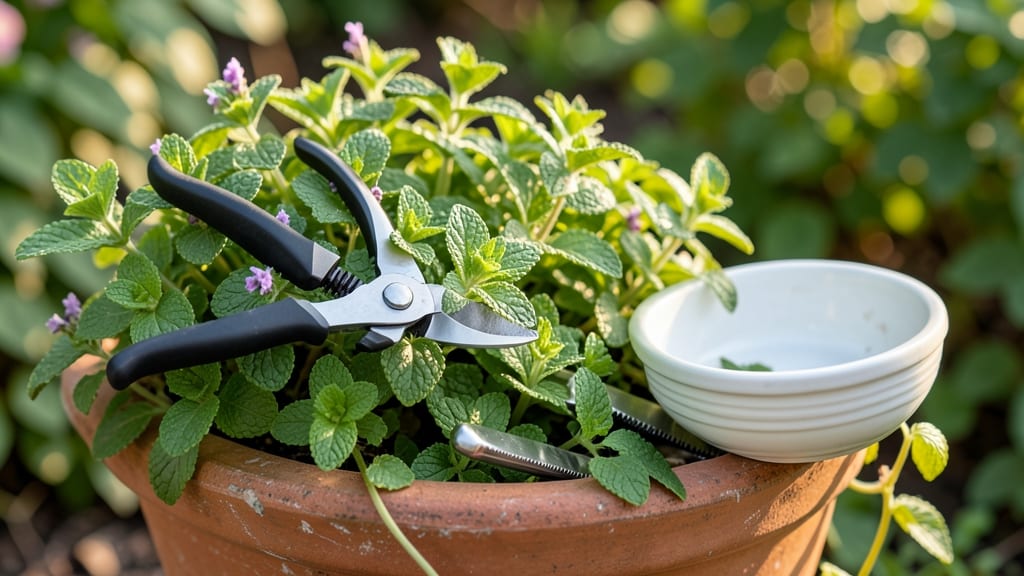
Harvesting mint for tea at the right time ensures the brightest flavor and keeps your plant lush for months—here’s how to do it without wasting a single leaf.
Picture this: you’ve spent weeks nurturing your 🌿 mint, and now you’re ready to brew that perfect cup of tea. But if you snip too early, the leaves taste weak, and if you wait too long, they turn bitter.
The key is timing, technique, and a few simple tricks that’ll make your harvest effortless and your tea unbeatable.
Mint thrives in USDA Zone 6a when planted in spring, and the best time to harvest is between June and September, when the leaves are plump and aromatic.
But it’s not just about the season—morning harvests pack the most flavor, and pruning the right way encourages your plant to grow bushier, giving you more leaves for future steeping.
In this guide, I’ll walk you through the step-by-step process, from when to cut to how to store your harvest so it stays fresh.
You’ll learn how to avoid common mistakes that ruin flavor, plus tips to extend your mint’s lifespan so you’re never without a stash for your next cup of tea.

When and how to harvest mint for maximum flavor in tea
Harvesting mint at the wrong time can turn your tea from refreshing to bitter. The key to vibrant flavor lies in timing, leaf selection, and proper technique.
For herbal tea blends, aim to harvest when essential oils peak—typically in the early morning after dew has evaporated but before the sun intensifies. This ensures the most potent, aromatic leaves for your brew.
Mint thrives in late spring through summer, with the best harvest window between June and September. Avoid harvesting in extreme heat or late fall, as flavors dull and stems become woody. Even iced tea blends benefit from morning-harvested leaves, as their crispness holds up better during steeping.
Here’s a quick reference for optimal harvest conditions to guide your tea-making:
| Harvest Time | Best Conditions | Leaf Selection | Tea Blend Use |
|---|---|---|---|
| Morning (6–9 AM) | Cool, dew-free air; after soil warms slightly | Young, vibrant green leaves; avoid woody stems | Green tea, herbal blends, or fresh iced tea |
| Late Spring (May–June) | 60–90 days after planting; active growth phase | Top 1/3 of stems with 4–6 leaves per shoot | Dried tea blends, mint-infused honey (optional) |
| Summer (July–August) | Avoid midday heat (10 AM–4 PM); harvest early/late | Mature leaves; trim flower buds to preserve flavor | Iced tea, lemon-mint blends, or frozen mint cubes |
| Early Fall (September) | Before first frost; stems may toughen | Outer leaves only; avoid woody centers | Dried storage for winter use |
To harvest, use clean, sharp scissors or pruning shears to snip just above a leaf node (where new growth emerges). This encourages bushier growth and prevents the plant from becoming leggy.
Never pull leaves—this damages stems and invites pests. For herbal tea blends, focus on the youngest leaves, as they’re the most aromatic.
Avoid harvesting flowering mint, as the flavor shifts from fresh to bitter. If buds appear, pinch them off immediately to redirect energy to leaf production. For green tea blends, harvest leaves just before they fully open to capture their delicate, grassy notes.
Store harvested leaves in a sealed container in the fridge for up to a week or dry them for long-term use.
Proper harvesting extends your mint plant’s lifespan. After each cut, water deeply to support recovery. In containers, harvest every 4–6 weeks to prevent overcrowding. For in-ground plants, you can harvest 2–3 times per season while maintaining vigor. Always leave at least 2–3 inches of growth to sustain the plant.
For iced tea blends, harvest leaves in the morning and chill them immediately. Their crispness pairs perfectly with cold brews. If you’re drying mint for tea, lay leaves on a paper towel-lined tray in a dry, shaded spot for 1–2 weeks.
Store dried leaves in an airtight jar away from light to preserve their potency.
One common mistake is harvesting only the largest leaves, which can leave your plant looking sparse. Instead, aim for a balanced trim—cut back 1/3 of the plant at a time to encourage even regrowth. This ensures a steady supply of fresh, flavorful leaves for all your tea needs.
By following these steps, your mint tea will always be bright, aromatic, and full-bodied. Whether you’re brewing a calming herbal tea or a refreshing iced drink, proper harvesting is the secret to unlocking mint’s full potential. 🌿
Pruning techniques to boost mint growth and tea quality
Pruning your mint plant isn't just about keeping it tidy—it’s the secret to unlocking bushier growth, fresher leaves, and longer harvest seasons. When done right, regular pruning prevents woody stems, encourages new shoots, and ensures your mint stays vibrant for months of tea-making.
The key is timing: prune at the right moments and use the correct tools to avoid stressing your plant.
Mint thrives when you trim it aggressively but strategically. Cutting back one-third of the plant every 4-6 weeks during the growing season (spring to early fall) signals the plant to focus on leaf production rather than flowering.
This method keeps your mint soft, tender, and packed with flavor—perfect for herbal teas. Avoid pruning in late fall or winter, as mint enters a dormant phase and needs rest.
How to Prune Mint for Optimal Tea Quality
- Step 1: Choose the Right Tools Use clean, sharp pruning shears or scissors to make precise cuts just above a leaf node (where leaves grow). Avoid tearing stems, which can invite disease.
- Step 2: Prune in the Morning Harvest and trim mint before 10 AM when essential oils are at their peak. This ensures the brightest flavor in your tea and reduces stress on the plant.
- Step 3: Cut Back One-Third of the Plant Remove outer stems and overgrown branches, leaving 6-8 inches of new growth. Focus on woody or leggy stems first—they drain energy from leaf production.
- Step 4: Encourage Bushiness Pinch back new growth tips to prompt side shoots. This creates a fuller, denser plant with more leaves for harvesting. Repeat every 4-6 weeks during the growing season.
- Step 5: Avoid Flowering Stems If your mint starts bolting (sending up flower stalks), snip them immediately. Flowering diverts energy from leaves and makes them bitter—ruining your tea’s flavor.
Pro Tip: Save pruned stems in a glass of water for 24 hours to revive wilted leaves before using in tea blends!
After pruning, water your mint deeply to help it recover and fertilize lightly with a balanced 5-10-10 mix to support new growth. If you notice yellowing leaves or stunted growth, you may be over-pruning—scale back to every 8 weeks instead.
Mint is resilient, but balance is key to keeping it productive and flavorful.
For container-grown mint, prune more frequently—every 3-4 weeks—since space is limited. This prevents the plant from becoming root-bound and ensures consistent harvests. If your mint is in the ground, mulch around the base after pruning to retain moisture and suppress weeds that compete for nutrients.
With these techniques, your mint will stay lush, aromatic, and ready for tea all season long. Regular pruning isn’t just maintenance—it’s an investment in longer harvests and richer flavors. Start today, and enjoy fresh, homegrown mint tea for months to come!