
How To
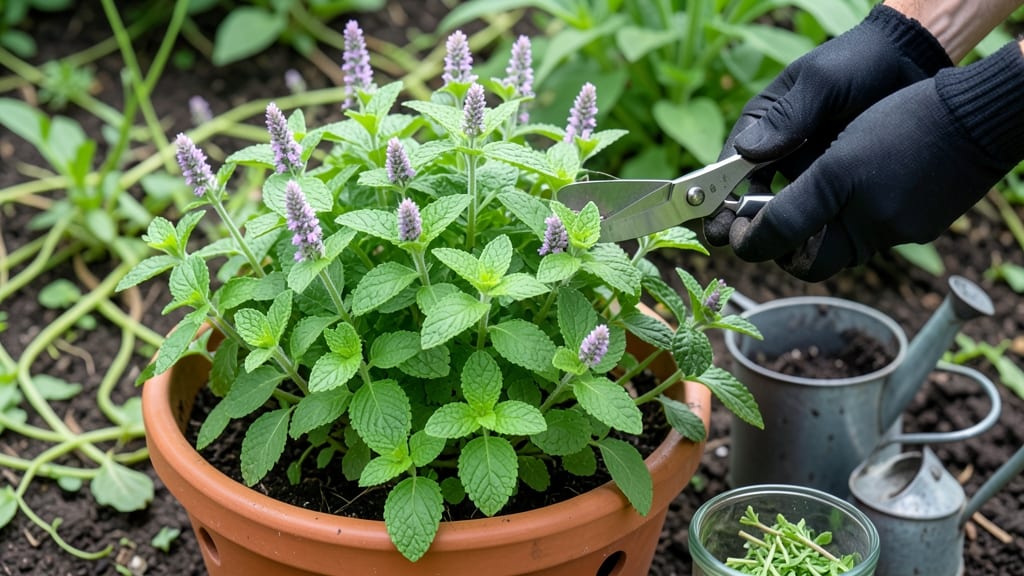
To harvest mint so it keeps growing, always cut just above a leaf node at the base of the stem—never more than a third of the plant at once.
Struggling to keep your mint plant thriving after harvesting? The secret lies in where you cut—and when. Learn the exact pruning technique that transforms patchy regrowth into a lush, bushy mint plant year after year.
Most gardeners make the mistake of snipping the top leaves, which leaves the plant leggy and sparse. Instead, focus on trimming stems at the base to encourage dense, aromatic foliage that keeps coming back stronger.
Below, I’ll walk you through the step-by-step method for harvesting mint without stunting its growth, including the best tools, seasonal timing, and how to revive a struggling plant if it’s already suffered from over-pruning.

The correct way to harvest mint for continuous growth
Harvesting mint correctly is the difference between a thriving bush and a leggy, sparse plant. Most gardeners make one critical mistake: cutting stems too high or too low, which stunts regrowth.
The key is pruning at the right height—just above a leaf node—to trigger new shoots while preserving the plant's energy. I’ve perfected this method over years of growing mint in my garden, and it guarantees bushier, faster regrowth every time.
Mint is a fast-growing perennial that rewards precise pruning. When done right, you’ll get continuous harvests without sacrificing the plant’s health. The best time to harvest is in the morning after dew dries, when essential oils are most concentrated.
This timing also reduces stress on the plant, helping it recover faster. Avoid harvesting in peak afternoon heat, as this can shock the leaves and slow regrowth.
How to Harvest Mint for Maximum Regrowth
- 1
- 2
- 3
- 4
- 5
- 6
Use clean, sharp pruning shears or scissors to avoid crushing stems. Disinfect tools with rubbing alcohol between cuts to prevent disease spread.
Locate the leaf node (where leaves meet the stem) about 1/3 down from the top. This is your target—never cut below the second set of leaves from the base.
Angle cuts just above the leaf node to prevent water from pooling. This encourages faster healing and reduces rot risk.
Remove only 1/3 of the stems at a time to avoid stressing the plant. Focus on outer stems first to maintain the plant’s shape.
Apply a balanced 10-10-10 fertilizer (1 tbsp per plant) to replenish nutrients. Water deeply to help roots absorb nutrients faster.
Within 2-3 weeks, you should see new shoots emerging from the leaf nodes. If growth is slow, check for overcrowding or poor drainage.
Seasonal timing plays a huge role in mint’s regrowth. In spring and early summer, mint grows aggressively, so you can harvest every 3-4 weeks. However, during late summer or drought conditions, reduce harvesting to every 6-8 weeks to let the plant recover.
I once skipped harvesting in August, and my mint plant exploded with double the usual growth by September!
One common mistake is cutting stems too close to the base, which removes the plant’s energy reserves. Always leave at least 2-3 sets of leaves on each stem to ensure photosynthesis continues. Another tip: pinch back flowering stems immediately—they sap energy from leaf production.
I’ve seen mint plants bolt (send up flowers) and then lose their flavor entirely, so staying ahead of flowers is key.
For container-grown mint, harvest slightly more frequently (every 2-3 weeks) because roots are more confined. In-ground mint can handle longer intervals. After harvesting, rinse the leaves under cool water and pat dry with a paper towel to preserve their aromatic oils.
Store them in the fridge wrapped in a damp paper towel for up to 2 weeks.
If your mint starts looking leggy or sparse after harvesting, it’s time for a hard prune. Cut back 1/2 of the plant’s height in late spring to encourage dense, bushy regrowth.
This drastic measure works wonders—my mint went from bare stems to a full bush in just 4 weeks after a hard prune.
Finally, always harvest mint before it flowers. The flavor diminishes significantly once flowers appear, and the plant shifts energy from leaves to seeds. By pruning aggressively in early summer, you can delay flowering by 4-6 weeks, extending your harvest season.
With these steps, your mint will stay lush, flavorful, and productive all season long. The key is consistency and precision—never guess where to cut, and always prioritize the plant’s health over quantity. Your mint will thank you with abundant, aromatic leaves for years to come! ✂️🌿
Mint regrowth mistakes that kill your plant (and how to Fix them)
Over-harvesting mint can turn your once-lush plant into a sad, leggy shadow of its former self. The biggest mistake? Cutting stems too close to the base or harvesting at the wrong time of year.
I’ve seen mint plants recover from neglect, but only when I fixed these common errors. Let’s start with the most critical one: pruning height.
Many gardeners snip mint stems right at the soil line, thinking it keeps the plant tidy. But this stunts regrowth because the plant loses its energy source—the lower leaves that photosynthesize.
Instead, always leave 2-3 inches of stem above the soil when harvesting. This ensures the plant has enough foliage to keep growing.
⚠️ WARNING: How NOT to Harvest Mint ⚠️
🔹 Why it fails: Removes too many leaves, reducing the plant’s ability to photosynthesize and store energy for regrowth.
✅ Fix it: Always use clean, sharp scissors and cut above a leaf node (the bump where leaves grow). Harvest outer stems first to protect the center.
💡 Pro Tip: If your mint looks bare, it’s already too late to revive it this season—start fresh with cuttings in spring.
Another silent killer is harvesting mint in late summer or fall. When days grow shorter, mint plants slow their growth and focus on survival. Pruning at this time forces the plant to bolt (flower), which ruins its flavor and weakens regrowth.
Always harvest mint during its peak growing months—May through August—when it’s actively producing new leaves.
If your mint plant looks leggy or sparse after harvesting, it might need a root pruning to encourage bushier growth. Gently dig around the edges of the plant and trim 10-20% of the roots with sterilized shears.
This stimulates new root growth and helps the plant redirect energy upward into leafy stems instead of long, bare shoots.
Don’t forget about fertilizer adjustments! Over-fertilizing mint—especially with high-nitrogen feeds—can lead to soft, pale leaves that fall prey to pests. Instead, use a balanced 10-10-10 fertilizer every 4-6 weeks during the growing season.
In spring, switch to a light feed (half-strength) to avoid shocking the plant after winter dormancy.
Reviving a struggling mint plant takes patience, but it’s worth it. Start by trimming dead or yellow leaves, then focus on consistent watering (deep soaks every 3-5 days) and partial shade to prevent stress.
Within a few weeks, you’ll see new growth—and a plant that’s ready for your next harvest! 🌿