
How To
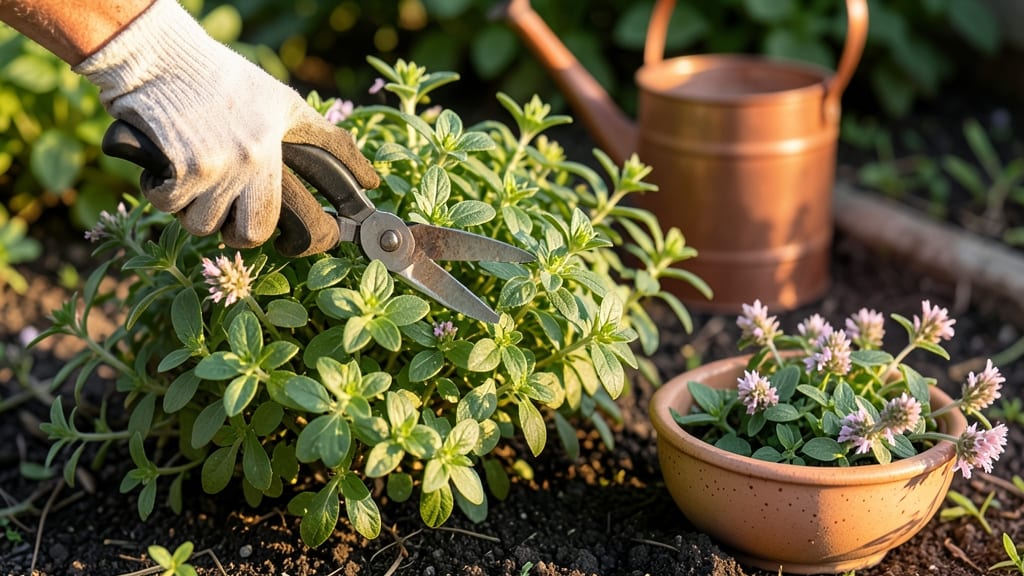
To harvest oregano so it keeps growing, focus on trimming stems just above leaf nodes while avoiding over-pruning—this simple technique keeps your 🌿 plant bushy and productive for years.
Struggling to keep your oregano thriving after harvesting? The secret lies in timing, technique, and understanding how pruning stimulates growth—not stunts it. I’ve seen plants go from sparse to lush in just one season by following these key steps.
Most gardeners make the mistake of cutting too much or at the wrong time, which weakens the plant. Instead, aim to remove one-third of the growth in early summer, right before flowering, to encourage dense foliage. This method works for both container-grown and in-ground oregano in USDA Zone 6a.
Inside, I’ll walk you through the exact when, what, and how of harvesting—plus how to revive a struggling plant if you’ve overdone it. Ready to turn your oregano into a year-round herb powerhouse?

Best time and method to harvest oregano without killing growth
Harvesting your oregano at the right time and with the correct technique ensures your plant stays bushy and productive for years. Unlike many herbs, oregano actually thrives when pruned—it responds by growing thicker and producing more fragrant leaves.
The key is understanding when to cut and how much to remove without stressing the plant.
Timing matters most: spring through early fall is prime harvest season for oregano. During these months, your plant is actively growing, and pruning stimulates new growth. Avoid heavy harvesting in winter when oregano enters dormancy—this can weaken the plant.
Even in colder months, you can lightly trim dead or yellowing stems to encourage fresh growth once warmer weather arrives.
How to Harvest Oregano for Bushier Growth
-
Step 1: Choose the Right Time
Harvest in the morning after dew has dried for the best flavor. Avoid harvesting after rain, as leaves can become waterlogged.
-
Step 2: Select Healthy Stems
Look for woody but flexible stems with at least 3-4 sets of leaves. These stems will regrow more vigorously than smaller ones.
-
Step 3: Use the 1/3 Rule
Never remove more than 1/3 of the plant in a single harvest. This prevents over-stressing and ensures your oregano keeps growing.
-
Step 4: Make Clean Cuts
Use sharp, clean pruners or scissors to cut just above a leaf node. Avoid tearing stems, which can damage the plant.
-
Step 5: Trim Flowers for Flavor
If flowers appear, remove them immediately. Flowering diverts energy from leaf production, reducing your oregano's aromatic potency.
-
Step 6: Post-Harvest Care
After harvesting, water deeply and apply a light mulch to retain moisture. This helps the plant recover faster.
Using the right tools makes all the difference. A sharp pair of pruning shears or clean scissors ensures clean cuts that heal quickly. Dull tools crush stems, which can lead to disease entry points and slow recovery.
I always keep a small bottle of rubbing alcohol handy to wipe down my tools between cuts—this prevents the spread of bacteria.
One common mistake is harvesting too close to the base of the plant. Always leave at least 2-3 inches of stem to encourage new growth from lower nodes. If you cut too low, you risk exposing the root collar, which can stress the plant and reduce future harvests.
For container-grown oregano, the same rules apply, but be extra cautious about root space. Over-harvesting in small pots can lead to root-bound stress. If your plant looks crowded, consider repotting it into a slightly larger container to give roots room to expand after pruning.
Pro tip: Label your oregano plants if you have multiple varieties. Greek oregano and Mexican oregano have slightly different pruning needs, and mixing them can confuse your harvesting schedule. I like to use color-coded plant tags to keep track of what’s what in my garden.
With the right approach, your oregano will reward you with dense, flavorful foliage for years. The key is consistency—regular, strategic harvesting keeps your plant healthy and productive, while avoiding common pitfalls ensures you don’t accidentally kill your hard-earned harvest.
How often to harvest oregano for maximum yield and plant health
Harvesting your oregano too frequently can weaken the plant, while neglecting it leads to leggy, sparse growth. The key is finding the ideal balance—harvesting often enough for a steady supply without stressing the plant.
For most oregano varieties, a weekly harvest during peak growing season (spring to early fall) works best, but adjust based on your plant's growth rate and environmental conditions.
In summer months, when oregano grows most vigorously, you can harvest every 5-7 days if the plant is healthy and bushy.
However, avoid harvesting more than one-third of the plant at a time to prevent shock. Young plants (under 6 months old) should be harvested less frequently—every 2-3 weeks—to allow them to establish strong root systems. Over-harvesting weak plants can stunt their growth permanently.
- 📅 Spring/Fall: Harvest every 1-2 weeks as new growth appears. This encourages bushier regrowth before winter dormancy.
- ☀️ Summer: Increase to weekly harvests but never cut more than 1/3 of the plant at once to avoid stress.
- ❄️ Winter: Stop harvesting entirely. Focus on protecting the plant from frost and reduce watering.
- ✂️ Pruning Tip: Always cut just above a leaf node (where leaves meet the stem) to promote new shoots.
- 💧 Post-Harvest Care: Water deeply after harvesting to replenish moisture and fertilize lightly with a balanced herb fertilizer every 4-6 weeks.
- 🌱 Signs of Over-Harvesting: Yellowing leaves, bare stems, or stunted growth mean you’re harvesting too much.
- 🌿 Seasonal Adjustments: Reduce harvest frequency as temperatures drop in late summer to prepare for dormancy.
Watch for visual cues that your oregano is ready for harvest: dark green leaves, a woody but flexible stem, and a strong aroma when crushed.
If your plant starts looking leggy or sparse, it’s a sign you’re harvesting too aggressively. Adjust your schedule to give the plant time to recover, especially in hot, dry weather when growth slows.
Another critical factor is seasonal timing. In late summer, as days shorten, reduce harvest frequency to every 2-3 weeks. This helps the plant store energy for winter survival.
Avoid harvesting in winter months unless you’re in a mild climate—dormant plants need all their resources to survive cold snaps.
To maximize long-term yield, combine proper harvest frequency with regular pruning. Trim back woody stems in early spring to encourage fresh, tender growth. This practice keeps your oregano compact and productive for years. Always use clean, sharp scissors to make precise cuts and avoid damaging the plant.
Remember, oregano is a perennial in most climates, meaning it will come back stronger each year if cared for properly. By following these harvesting guidelines, you’ll enjoy a bountiful supply of fresh oregano while keeping your plant healthy and thriving. 🌿