
How To
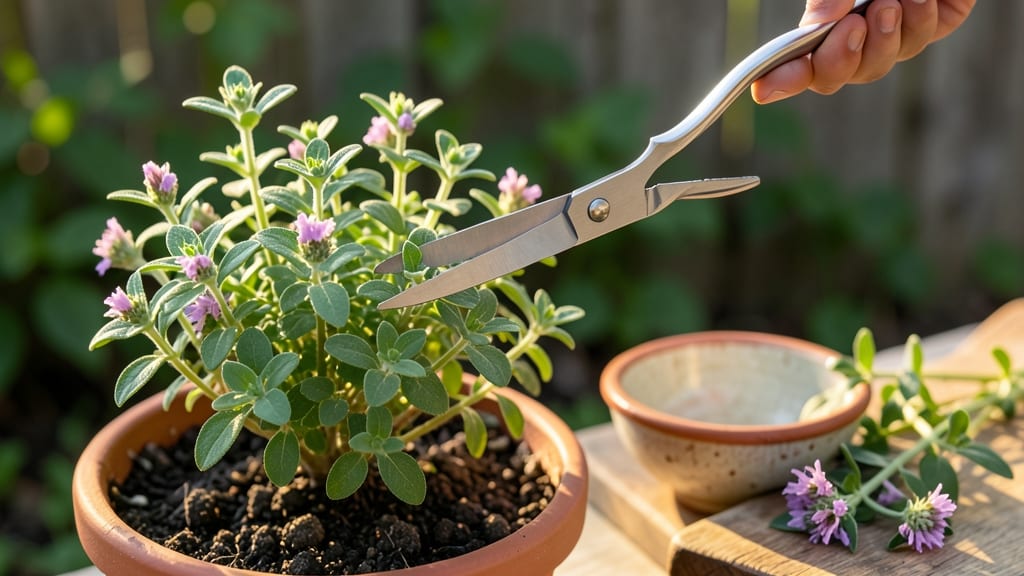
To harvest oregano at its peak flavor, you’ll want to snip just before flowering when the stems are firm but not yet woody 🌿 — that’s when the leaves pack the most aromatic punch.
If your oregano plants are thriving but you’re unsure when to harvest for the best flavor—or why stems turning slightly woody matters—you’re missing out on peak season. Timing and technique make all the difference between fragrant, vibrant oregano and bitter, overgrown stems.
Most gardeners wait until late summer or early fall, when the plant is 60-90 days old and at least 6 inches tall. But the real secret?
Harvesting in the morning after the dew dries ensures the strongest flavor, and cutting back one-third of the plant at a time keeps it bushy and productive all season.
In this guide, I’ll walk you through the exact steps—from the right tools to use to how to store your harvest—so you never waste a single leaf. Ready to turn your oregano into a flavor powerhouse?

When to harvest oregano for maximum flavor and growth
Harvesting oregano at the right time ensures bold, aromatic flavor and keeps your plant thriving. The key is to pick leaves and stems before flowering, when the plant is mature but still flexible—not woody. If you wait too long, the flavor fades and stems become tough, ruining your harvest.
Oregano plants typically reach harvest readiness 60-90 days after planting, depending on your climate. In USDA Zone 6a (like much of the Midwest), this usually falls between late summer and early fall. However, if you’re in a warmer zone, you might start harvesting as early as mid-summer.
Look for these three key signs your oregano is ready: bushy growth, fully developed leaves, and stems that are firm but still flexible. If you crush a leaf and it smells intensely aromatic, that’s your cue to harvest.
Ignoring these signals can lead to bitter, woody stems that are less flavorful.
Here’s the golden rule: Harvest in the morning after dew dries for the strongest flavor. The oils that give oregano its signature taste are most concentrated at this time. Avoid harvesting after rain or late in the day, as moisture can dilute the flavor and promote mold.
| Harvest Stage | Key Characteristics | Best Time to Harvest | Climate Notes |
|---|---|---|---|
| Early Growth | Plants 6" tall, soft stems, small leaves | Not ready | Avoid harvesting; focus on care |
| Peak Flavor | Bushy, aromatic leaves, flexible stems | Late summer to fall | USDA Zones 6a-10a: July-Sept |
| Late Stage | Woody stems, flowers forming, dull aroma | Prune back hard | Encourages regrowth for next season |
| Winter Dormancy | No new growth, brown stems | None | Protect from frost; harvest leftover leaves |
Pruning at the right time isn’t just about flavor—it’s about plant health. When you harvest one-third of the plant at a time, you encourage bushier growth and prevent stems from becoming too woody.
This technique also redirects the plant’s energy toward producing more aromatic leaves rather than tough, fibrous stems.
If you notice your oregano’s stems turning woody or brittle, it’s a sign you’ve waited too long. At this stage, the plant is past its prime, and the flavor will be muted and bitter.
Instead of harvesting, prune back the woody stems to encourage new growth. This is especially important in hot, dry climates, where oregano can mature quickly and become overgrown.
For year-round harvesting, plant oregano in containers so you can move it indoors before the first frost. This extends the growing season and lets you keep harvesting until late fall.
Just ensure the plant gets at least 6 hours of sunlight daily, even indoors, to maintain its flavor and vigor.
Regular harvesting also prevents flowering, which can reduce the plant’s potency. If you see tiny white or purple flowers forming, snip them off immediately. This keeps the focus on leaf production and ensures your oregano stays flavorful and fragrant for as long as possible.
Pro tip: Use clean, sharp scissors or pruning shears to avoid damaging the plant. Cut stems just above a leaf node to encourage new shoots to grow. This method keeps your oregano looking full and productive, making it easier to harvest in the future.
By mastering the art of timely harvesting, you’ll enjoy vibrant, flavorful oregano all season long—without sacrificing your plant’s health. The key is to stay consistent, observant, and ready to act when your oregano signals it’s time.
Step-by-step oregano harvesting: tools, techniques, and storage tips
Harvesting oregano at the right time ensures you get the most aromatic and flavorful leaves for your cooking. The key is to harvest when the plant is mature but not overgrown, typically when it reaches 6-12 inches tall and has at least 4-6 pairs of leaves per stem.
Avoid harvesting during the flowering stage, as this can make the leaves bitter and reduce future growth.
Before you begin, gather the right harvesting tools to ensure clean cuts and minimal damage to your plant. You’ll need sharp pruning shears or clean scissors for larger stems, and your fingers for hand-pinching smaller sprigs. Always sterilize your tools with rubbing alcohol to prevent disease transmission between cuts.
How to Harvest Oregano
- 1 Choose the right time: Harvest in the morning after dew dries (8-10 AM) for the strongest essential oils. Avoid harvesting after rain or late in the day.
- 2 Select stems carefully: Choose healthy, non-woody stems with 4-6 pairs of leaves. Cut or pinch just above a leaf node (where leaves meet the stem) to encourage new growth.
- 3 Use the right technique: For small sprigs, use your fingers to pinch stems between your thumb and forefinger. For larger cuts, use sterilized shears at a 45-degree angle.
- 4 Leave 1/3 of the plant: Never harvest more than 1/3 of the plant at once to avoid stunting growth. Focus on outer stems first to encourage bushier growth.
- 5 Process immediately: Rinse harvested oregano with cool water to remove dirt, then pat dry gently with a paper towel. Avoid wetting the stems to prevent rot.
Once harvested, you’ll want to preserve your oregano’s flavor and potency. The two most common methods are drying and freezing, each with its own advantages. For drying, bundle stems together and hang them upside down in a dark, well-ventilated area for 1-2 weeks.
Alternatively, spread leaves on a screen or mesh rack for faster drying. For freezing, chop leaves finely and store in airtight containers or ice cube trays with water for easy portioning.
Avoid these common harvesting mistakes that can ruin flavor and damage your plant: harvesting overly woody stems, cutting too close to the base, or storing oregano in plastic bags without ventilation. Always use clean tools and harvest regularly to encourage bushier, more productive growth.
With these techniques, you’ll enjoy fresh, fragrant oregano all season long—whether you’re drying it for winter cooking or freezing it for quick meals. Happy harvesting! 🌿✂️🌱