
How To
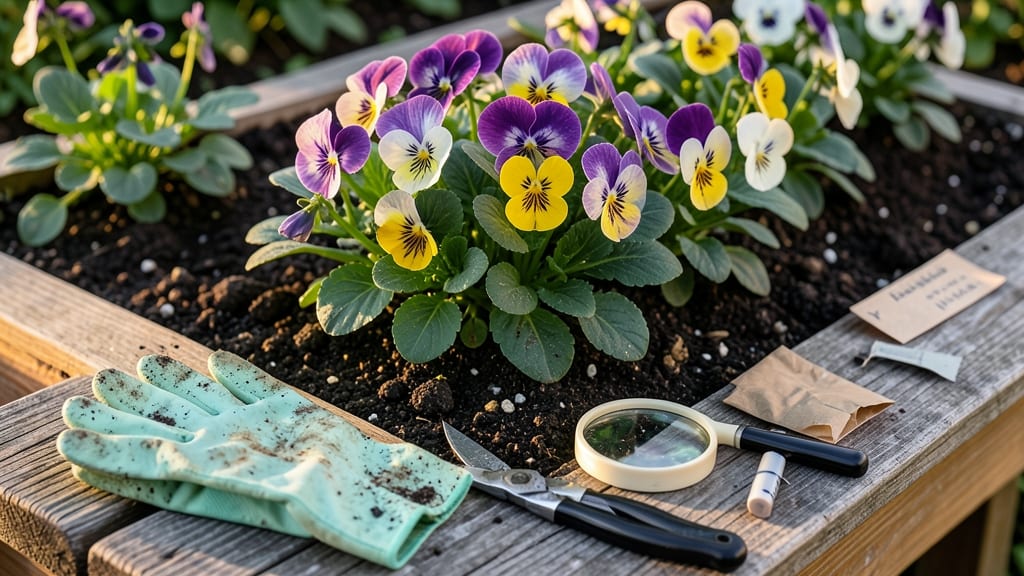
To harvest pansy seeds, wait until the seed pods turn brown and crack open naturally 🌸 — that’s when the seeds are ready to collect.
Pansies are more than just pretty flowers—they’re a gardener’s secret to vibrant blooms year after year. But harvesting their seeds at the perfect moment can be tricky, especially when those pods crack open unexpectedly.
Timing is everything: if you harvest too early, the seeds won’t be viable, but if you wait too long, they’ll scatter to the wind. I’ll show you how to spot the right moment, protect your seeds, and store them for next year’s garden.
You’ll learn the exact steps to safely collect pansy seeds, avoid common mistakes, and even troubleshoot if things go wrong. Let’s make sure your seed-saving efforts pay off!

When and how to identify pansy seed pods ready for harvesting
Harvesting pansy seeds at the right moment ensures high germination rates and healthy new plants. The key is watching for visual maturity cues in the seed pods, which develop after flowering. Miss this window, and seeds scatter—often attracting birds or decomposing before you can collect them.
Timing matters because overripe pods release seeds too easily, while underripe pods yield weak or nonviable seeds.
Start by identifying the flowering-to-pod transition. After pansies bloom, the spent blossoms transform into small, green seed pods. These pods grow gradually, changing color and texture as they mature. The best time to harvest is when pods turn fully brown and crispy, signaling they’re ready to release seeds.
This typically happens 8-12 weeks after flowering, depending on your climate and growing conditions.
Use this summary table to quickly check if your pansy seed pods are ready for harvesting:
| Pod Stage | Color | Texture | Seed Readiness | Action |
|---|---|---|---|---|
| Early Stage | Green | Firm, moist | Not ready | Wait 4-6 weeks |
| Mid Stage | Yellow-brown | Drying, slightly papery | Nearly ready | Monitor daily |
| Mature Stage | Fully brown | Crispy, dry, rattles | Ready to harvest | Collect immediately |
| Overripe Stage | Brown-gray | Brittle, cracks open | Too late | Seeds scattered |
Pay close attention to the pod texture—mature pods feel dry and papery, almost like crumpling paper. A gentle squeeze should reveal seeds inside that rattle or feel firm to the touch.
If pods are still slightly green or pliable, they’re not ready yet. Harvesting too early results in low viability seeds that won’t sprout well.
The best time of day to harvest is on a dry, sunny morning after dew has evaporated. This reduces humidity, which can accelerate mold growth during the drying process. Avoid harvesting after rain, as moisture can weaken seed quality.
Early mornings also mean you can process seeds immediately, preventing them from drying out or being scattered by wind.
Look for natural cracking along the pod seams—a sure sign seeds are ready to release. If you notice pods splitting open on their own, act quickly to collect seeds before they hit the ground.
Place a paper bag or envelope under the plant to catch falling seeds, or gently tap mature pods over the bag to encourage seed release. This method minimizes seed loss while preserving viability.
Another key indicator is the seed color inside the pod. Mature pansy seeds are dark brown to black and appear hard and plump. Immature seeds are lighter in color and may look shriveled or translucent.
Always inspect a few seeds from each pod to confirm readiness—this small step saves hours of frustration later when seeds fail to germinate.
Harvesting at the right time also depends on your local climate. In cooler regions (USDA Zones 3-5), pods may mature earlier in the season, while warmer climates (Zones 6-10) can extend the harvesting window into late fall.
Keep a gardening journal to track when pansies flower and when pods mature in your area—this helps you plan for next year’s seed collection.
Once pods are ready, remove them carefully by twisting or snipping the stem just above the pod. Avoid pulling pods off, as this can damage the plant. Store harvested pods in a cool, dry place (like a paper envelope) for 1-2 weeks to ensure seeds fully dry.
Proper drying prevents mold and extends seed storage life.
Remember, the goal is to balance timing with seed viability. Harvest too soon, and seeds won’t sprout; wait too long, and they scatter. With practice, you’ll recognize the perfect moment when pansy pods are brown, crispy, and ready to share their potential for next year’s garden.
Step-by-step guide to safely collecting pansy seeds before they scatter
Harvesting pansy seeds at the right moment ensures high germination rates and saves you from losing them to wind or wildlife. The key is acting quickly once the seed pods mature—before they crack open naturally.
I’ve learned that patience and the right tools make all the difference in preserving these delicate seeds for next season’s garden.
Timing is everything with pansies. You’ll know the seeds are ready when the pods turn brown and begin to dry out, often just after the flowers fade in late summer or early fall.
If you wait too long, the pods will burst open, scattering seeds everywhere. Here’s how to collect them safely before that happens.
If you miss the window and pods crack open naturally, don’t panic! Collect the scattered seeds from the soil around the plant using a fine mesh screen or simply sweep them into a container. Just act fast—birds and wind will snatch them up quickly.
Store the seeds in a paper envelope or airtight container with a desiccant packet to absorb moisture. Label the container with the harvest date and store it in a cool, dark place like a pantry.
Pansy seeds can stay viable for 2-3 years if stored properly, giving you plenty of time to grow new plants.
Pro tip: To test germination, plant a few seeds in a small pot with well-draining soil and keep it moist. If they sprout within 2-3 weeks, your stored seeds are ready for next season’s garden. Happy harvesting!