
How To
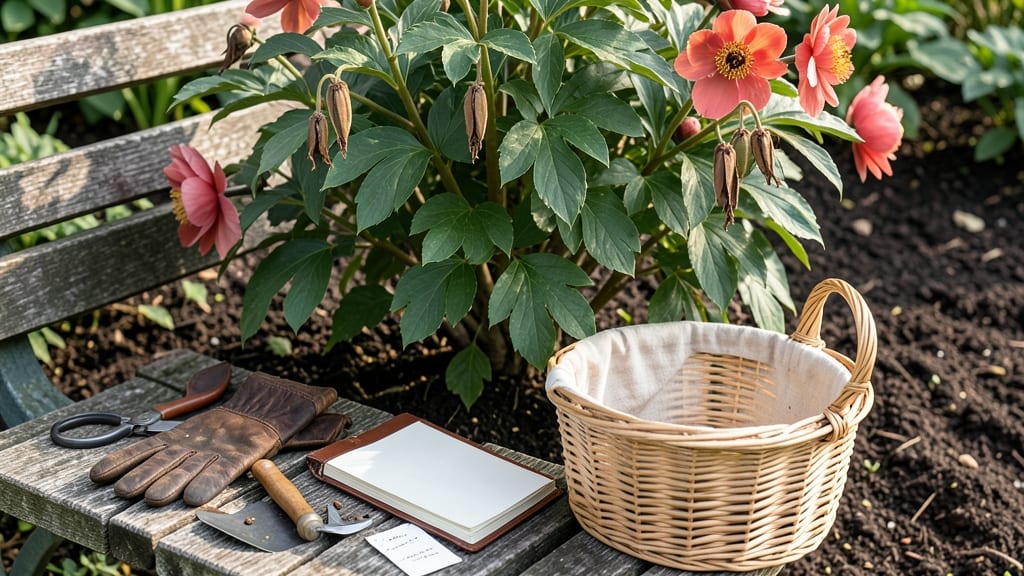
To harvest peonies at their peak for long-lasting blooms, cut them when the buds are just beginning to open—like a half-open hand 🌸—and the stems are firm but not yet fully hardened.
Peonies are prized for their lush, fragrant blooms—but harvesting them at the wrong time can shorten their vase life or even damage the plant. Learn the precise timing and techniques to cut long-stemmed peony flowers while keeping your garden thriving for years to come.
This isn’t just about snipping stems; it’s about preserving the plant’s health for future seasons. A well-timed harvest ensures your peonies will reward you with abundant blooms year after year, rather than fading quickly in a vase or leaving your plants weakened.
Below, I’ll walk you through the best time of day, the right tools to use, and how to care for your cut peonies so they last longer in arrangements—without sacrificing next year’s spectacular display.

When to harvest peonies for maximum bloom longevity and plant health
Timing is everything when harvesting peonies—cut too early, and you sacrifice vase life; too late, and you risk weakening the plant for next season. The ideal harvest window is when buds are just beginning to open, not fully bloomed.
This stage ensures longer-lasting cut flowers while preserving your plant’s energy for future growth.
Most peonies bloom between late May and early June in USDA Zone 6, but exact timing depends on your climate and variety. Herbaceous peonies (the most common type) signal readiness when buds swell like a tight fist but show slight petal separation at the edges—think of it as the "half-open hand" stage.
Harvesting at the right time of day also matters. Always cut stems in the early morning when temperatures are cool and dew is present. This keeps stems hydrated longer and reduces stress on the plant.
Avoid harvesting on hot afternoons, as stems can wilt quickly and blooms may close prematurely in the vase.
Seasonal considerations are critical too. Never harvest peonies after their peak bloom period, which typically lasts 7–10 days. Over-mature blooms (fully open with wilted petals) drain the plant’s resources and produce shorter vase life.
Watch for drooping stems or brown petal edges—these are red flags that the flower is past its prime.
| Stage | Signs of Readiness | Best Time to Harvest | Vase Life Impact |
|---|---|---|---|
| Bud Swelling | Bud feels firm, petals slightly visible at edges | Early morning (5–8 AM) | 10–14 days |
| Half-Open | Petals 1/3 unfolded, stem upright | Early morning (5–8 AM) | 7–10 days |
| Fully Open | Petals fully unfurled, center visible | Avoid harvesting | 3–5 days (short vase life) |
| Over-Mature | Drooping stems, brown petals | Never harvest | 1–2 days (poor quality) |
To avoid over-maturity, monitor your peonies daily during their bloom cycle. Look for leaves that are fully unfurled and vibrant green—this indicates the plant has enough energy to support both blooms and future growth.
If leaves appear yellow or wilted, the plant is stressed, and harvesting should be delayed until it recovers.
Climate plays a surprising role too. In warmer zones (7–9), peonies may bloom earlier (as early as April), while in cooler zones (3–5), blooms might not appear until late June. Adjust your harvest timing accordingly, but always prioritize the bud-opening stage over calendar dates.
Pro tip: Use a plant journal to track bloom cycles year after year. Note the first day buds swell and the peak bloom date. This helps you anticipate the perfect harvest window for future seasons.
Over time, you’ll develop an instinct for when to reach for those pruners without compromising your peonies’ health.
Remember, harvesting peonies is a balance—you want stunning cut flowers and a thriving plant. By mastering the bud-opening stage, early morning cuts, and seasonal cues, you’ll enjoy longer vase life and healthier plants for decades to come. 🌸
Step-by-step guide to cutting peony stems without damaging the plant
Harvesting peony stems correctly ensures longer vase life and protects your plant for future blooms. The key is cutting at the right angle and length while using the proper tools. A single misstep can weaken your peony, reducing next year’s flower production.
I’ve perfected this process over years of growing peonies, and I’ll share my exact method to help you avoid common mistakes.
Start by gathering your tools: a sharp pruning shears or clean garden knife, a bucket of water, and a container for immediate storage. Avoid dull tools—they crush stems and invite disease.
The best time to cut is early morning when buds are just opening, ensuring maximum freshness and longevity in your arrangements.
How to Harvest Peony Stems
- 1 Identify the right bud stage: Look for buds that are slightly open (like a half-open hand 👋). Avoid fully bloomed flowers—they’ll wilt faster in vases.
- 2 Cut at a 45-degree angle: Use sharp shears to make a clean cut 2-3 inches below the bud. This prevents water from pooling and extends stem life by 3-5 days.
- 3 Remove lower leaves: Strip leaves from the bottom 6 inches of the stem to reduce bacterial growth in water. This keeps stems fresh longer and prevents cloudy vase water.
- 4 Immerse stems immediately: Place cut stems in lukewarm water for 1-2 hours. This rehydrates the stems and jumpstarts their vase life. Avoid tap water with chlorine—use filtered or rainwater instead.
- 5 Store properly: Keep stems in a cool, dark place (like a fridge) for up to 24 hours before arranging. This slows respiration and preserves freshness until you’re ready to display them.
After cutting, trim the stems again under water before arranging them in your vase. This removes any air bubbles that could block water uptake. Use a flower food packet to extend vase life by 50% or more.
My peonies last up to 10 days in arrangements when harvested and cared for this way!
Never cut more than one-third of the stems from a single peony plant in one season. This ensures the plant has enough energy to store nutrients for next year’s blooms. Over-harvesting weakens peonies and can lead to fewer—or even no—flowers the following year.
With these steps, you’ll enjoy longer-lasting peony bouquets while keeping your garden’s peonies healthy and productive for decades. Happy harvesting! 🌸