
How To
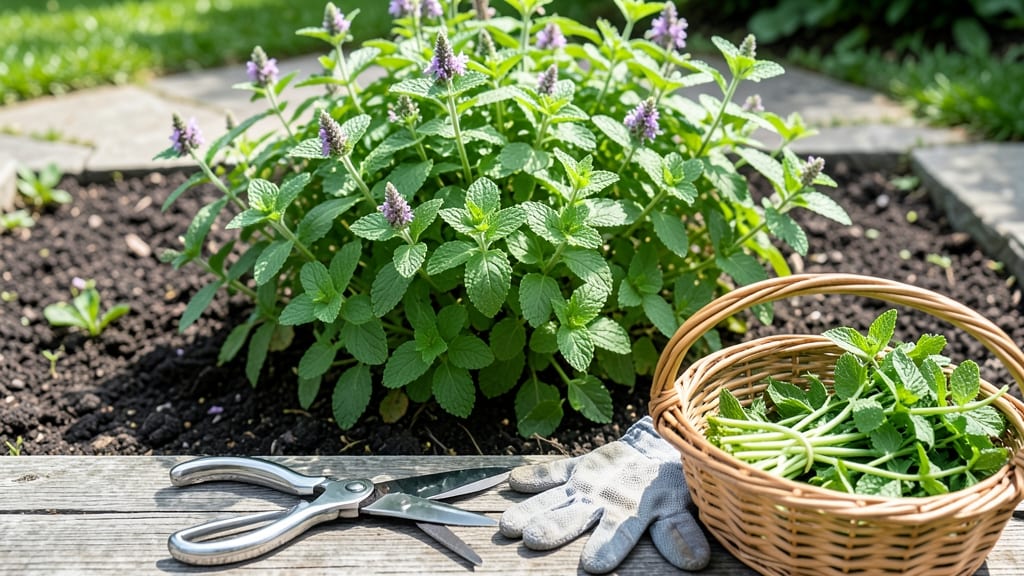
Harvesting peppermint at the right time ensures a bold, fresh flavor that keeps coming back year after year—no bitter aftertaste or stunted growth in sight.
Picture this: you’ve nurtured your 🌿 peppermint all spring, and now the question looms—when do you cut? Too early, and you’ll stunt its growth; too late, and the leaves turn woody and lose their punch.
The secret lies in timing your harvest between June and September, when the plant is mature but still vibrant.
Beyond the calendar, you’ll learn to spot the perfect moment by checking leaf color, stem firmness, and that signature minty aroma. Get it wrong, and you’ll end up with weak tea or bland recipes.
Get it right, and you’ll have a steady supply for everything from iced drinks to homemade remedies.
In this guide, I’ll walk you through the exact steps—from when to cut for regrowth to the best tools for the job—so you can turn your garden into a flavor factory without sacrificing next year’s harvest.

Best time to harvest peppermint for maximum flavor and regrowth
Timing your peppermint harvest correctly makes all the difference between a bold, aromatic crop and a bitter, woody disappointment. The best window spans from late spring through early summer, when plants are actively growing but haven't yet started flowering.
This 6-8 week window after planting ensures peak flavor while allowing your mint to regrow vigorously for future harvests.
Harvesting too early results in underdeveloped leaves with weak flavor, while waiting too long causes the stems to become woody and the leaves to lose their signature minty punch.
The key is to watch for visual maturity cues—dark green, fully unfurled leaves and stems that are firm but not hardened—rather than relying solely on a calendar date.
| Harvest Stage | Plant Characteristics | Action |
|---|---|---|
| Early Growth | Light green leaves, soft stems, minimal aroma | Avoid harvesting - wait for maturity |
| Peak Harvest | Dark green leaves, firm stems, strong mint scent | Harvest 1/3 of stems at base |
| Late Season | Woody stems, smaller leaves, dull aroma | Stop harvesting - plant prepares for dormancy |
| Flowering | Purple flowers appear, leaves taste bitter | Remove flower spikes immediately |
In my experience, the ideal harvest month depends on your climate zone. For most gardeners in USDA Zone 6a, this means harvesting between June and early July.
If you're in warmer zones, you might extend this window into August, but always stop before the first signs of flowering appear. Those purple blooms signal the plant is shifting energy from leaf production to seed creation, which dramatically reduces flavor quality.
One common mistake I see is harvesting peppermint in late summer or fall. By this time, the stems often become hard and woody, and the leaves develop a bitter, medicinal taste instead of the bright, refreshing flavor we all love.
The plant's natural growth cycle makes this inevitable—once temperatures drop and daylight shortens, peppermint prepares for dormancy, and its energy shifts away from leaf production.
To maintain a continuous harvest throughout the growing season, I recommend cutting stems every 4-6 weeks during the peak growing months. This regular pruning stimulates bushier growth by encouraging new shoots to develop from the base.
Just be sure to never remove more than one-third of the plant in a single harvest session to avoid stressing the roots.
Another pro tip: always harvest on a dry, sunny morning. The essential oils that give peppermint its signature aroma are most concentrated at this time. Plus, dry leaves handle storage and drying processes much better than damp ones.
I like to harvest just before the dew dries—around 8-9 AM—when the oils are at their peak concentration but the leaves aren't yet wilted from midday heat.
Watch for these three key visual cues to determine perfect harvest timing: dark green, fully unfurled leaves that are at least 2-3 inches long, stems that are firm but not hardened, and a powerful minty aroma when you crush a leaf between your fingers.
If your peppermint meets all three criteria, it's ready for harvest. If not, give it another week or two.
Remember that regular harvesting actually improves your peppermint plant's productivity. When you consistently remove the top growth, you encourage the plant to develop a denser, bushier structure with more leaf surface area.
This not only increases your yield but also prevents the plant from becoming leggy or woody as it matures. It's a win-win for both flavor and regrowth potential.
For gardeners in cooler climates, you can extend your harvest season by providing light winter protection like mulch or row covers. This allows you to harvest well into fall before the first frost.
Just be prepared to bring potted plants indoors if temperatures drop below 20°F (-7°C), as peppermint is not frost-tolerant.
Step-by-step guide to cutting peppermint without damaging the plant
Harvesting peppermint properly ensures your plant stays healthy and productive. The key is to cut stems at the right time and in the right way—never more than one-third of the plant at once. This method encourages bushier growth and prevents stress, so you’ll get more harvests throughout the season.
Using the wrong tools can damage your peppermint and leave it vulnerable to disease. Always reach for sharp pruners or clean garden shears instead of dull scissors. A clean cut also helps the plant heal faster and directs energy to new growth rather than struggling to recover from jagged edges.
How to Harvest Peppermint
- Step 1: Choose healthy stems with at least 4-6 leaves. Look for vibrant green leaves with a strong minty scent.
- Step 2: Hold the stem firmly and cut just above a leaf node (where leaves meet the stem) using sterilized pruners. This encourages new growth from that point.
- Step 3: Never cut more than one-third of the plant at once. This prevents shock and allows the plant to recover quickly for future harvests.
- Step 4: Avoid cutting too close to the base. Leave at least 2-3 inches of stem to protect the root system and encourage regrowth.
- Step 5: Harvest in the morning after dew has dried. This ensures the leaves are fresh and retains their essential oils for maximum flavor.
- Step 6: After harvesting, rinse the leaves gently under cool water to remove dirt, then pat dry with a clean towel or paper towels.
One of the biggest mistakes gardeners make is over-harvesting. If you take too much at once, your peppermint may struggle to recover, leading to stunted growth or even death. Always prioritize leaving enough foliage to support photosynthesis and energy production.
To promote bushier growth, focus on cutting stems from the outer edges of the plant first. This encourages the plant to fill out rather than grow tall and leggy. Regular pruning also prevents flowering, which can reduce the plant’s potency and make the leaves less flavorful.
After harvesting, store your peppermint in a paper bag or open container in the fridge for up to a week. For long-term storage, dry the leaves in a dark, well-ventilated area or use a dehydrator set to 95°F (35°C) until crisp. Proper storage keeps the flavor vibrant for months.