
How To
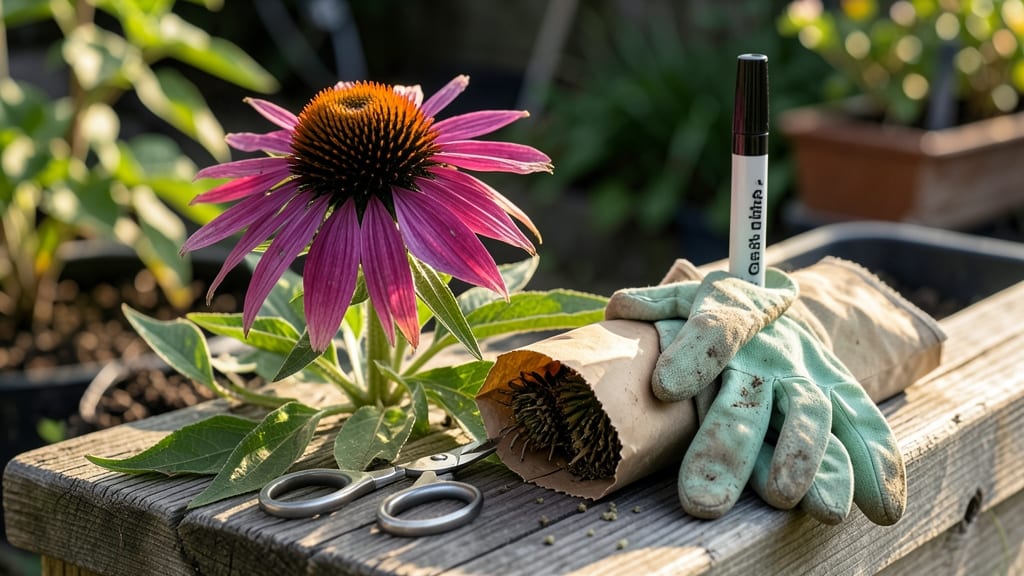
Harvesting purple coneflower 🌼 seeds is the easiest way to multiply your garden's beauty without spending a dime—just time your pick carefully.
Picture this: your backyard bursting with vibrant purple blooms year after year, all from seeds you saved yourself. That’s the magic of purple coneflower seeds, but timing is everything. Miss the window, and birds or weather might steal your harvest before you even know it’s ready.
You’ll need to watch for dry, brown seed heads that rattle when shaken—a sure sign they’re ready. But here’s the catch: these seeds don’t stay viable forever, so knowing exactly when to act makes all the difference.
Skip the guesswork, and I’ll walk you through every step, from spotting the perfect seed pod to storing them for next spring.
By the end, you’ll have a stash of seeds that’ll give you free, homegrown plants for seasons to come—no nursery trip required. Let’s get started.

When and how to identify purple coneflower seed pods for harvesting
Harvesting purple coneflower seeds at the right time ensures high viability and healthy new plants. These drought-resistant perennials produce seeds in late summer to fall, typically between August and October, depending on your USDA zone.
Knowing when to harvest prevents wasted effort and maximizes your seed yield for next year’s garden.
Start by observing the seed heads closely. Mature purple coneflower pods are ready when the central cone turns deep brown and the petals begin to fall backward. This change signals that the seeds inside are fully developed and dry enough to harvest.
If you miss this window, birds or wind may scatter the seeds before you can collect them.
Step-by-Step Guide to Identifying Mature Purple Coneflower Seed Pods
-
Step 1: Monitor Seed Head Color
Look for deep brown cones (not green or yellow). Petals should start curling backward, revealing the seed-filled center. -
Step 2: Check for Dryness
Gently squeeze the stem—if it feels dry and brittle, the seeds are ready. Moist stems mean they need more time. -
Step 3: Listen for Seed Movement
Shake the seed head lightly. If seeds rattle inside, they’re mature. No sound? Wait another 1-2 weeks. -
Step 4: Time Your Harvest
Aim for late summer to early fall (August–October). Harvest before first frost (typically October 31 in most zones). -
Step 5: Avoid Overripe Pods
If petals disintegrate or seeds scatter easily, harvest immediately to prevent loss.
Timing is critical because purple coneflower seeds lose viability quickly once the seed heads dry completely. If you harvest too early, the seeds won’t germinate. Too late, and they may scatter or spoil. Pay attention to the color shift from green to brown—this is your best indicator.
Another key sign is the texture of the seed head. When fully mature, the cone feels papery and dry to the touch. If it’s still slightly flexible or moist, wait another 5–7 days. This texture change confirms the seeds are ready for collection and storage.
Seasonal timing varies by USDA zone. In zones 3–5, harvest between late August and September to avoid early frosts. Gardeners in zones 6–9 can extend harvesting until October. Always check your local frost dates to plan accordingly.
Birds and squirrels love purple coneflower seeds, so act quickly once you spot mature pods. If left unchecked, these critters will strip your plants bare in minutes. Consider harvesting early in the morning when birds are less active for the best results.
For maximum seed viability, prioritize dry, warm conditions during harvest. Avoid collecting seeds after rain or dew, as moisture can cause mold or rot. Use clean, dry containers (like paper bags) to store seeds until you’re ready to process them.
Once you’ve identified the perfect seed pods, the next step is gentle removal. Use pruning shears or scissors to cut the seed heads from the stem, leaving a 1-inch stem attached. This helps prevent damage to the seeds during drying.
With these visual and tactile cues, you’ll never miss the ideal harvest window again. Happy harvesting—and get ready to expand your purple coneflower garden for free next season!
Best methods for collecting, drying, and storing purple coneflower seeds
Once you’ve spotted those ready-to-harvest purple coneflower seed heads, your next challenge is preserving their viability. The key lies in how you collect, dry, and store them—each step affects germination rates.
I’ve tested both hand-stripping and whole-head bagging methods, and each has its advantages depending on your garden’s scale and your patience level.
For small gardens, hand-stripping seeds from dried cones gives you precision, while whole-head bagging works better for larger patches. But here’s the catch: improper drying leads to mold or seed loss, and wrong storage containers can shorten viability.
Let’s break down the best approaches to maximize your seed stash for next spring.
Comparison Table: Harvesting Purple Coneflower Seeds
| Method | Best For | Drying Time | Storage Life | Pros | Cons |
|---|---|---|---|---|---|
| Hand-Stripping | Small gardens, precision collectors | 1-2 weeks (air-dry) | 1-2 years (properly stored) | Clean seeds, no debris | Time-consuming for large patches |
| Whole-Head Bagging | Large gardens, lazy harvesters | 2-3 weeks (hang dry) | 1 year (may reduce viability) | Faster for bulk harvest | Risk of mold if not fully dry |
After harvesting, drying your seeds properly is non-negotiable. Spread them on a paper towel-lined tray in a cool, dry, dark place with good airflow—like a basement or garage.
Avoid direct sunlight, which can overheat and damage seeds. I’ve found that a dehumidifier nearby helps prevent moisture buildup, especially in humid climates.
Once fully dry (seeds should crunch slightly when pressed), transfer them to airtight containers like glass jars or resealable bags. Add a silica gel packet to absorb excess moisture—this simple trick extends storage life from months to years. Label each container with the harvest year to track freshness.
Store containers in a freezer or refrigerator for long-term preservation, but even a cool pantry works for short-term use. Check seeds annually for signs of mold or pests—discard any questionable batches.
With proper care, your purple coneflower seeds can stay viable for 2-3 years, giving you free plants for multiple growing seasons.
Remember, the earlier you harvest, the higher your seed yield will be before birds or weather interfere. But don’t rush—wait until those cones are fully brown and brittle. Patience now means a bigger, healthier harvest later. 🌼