
How To
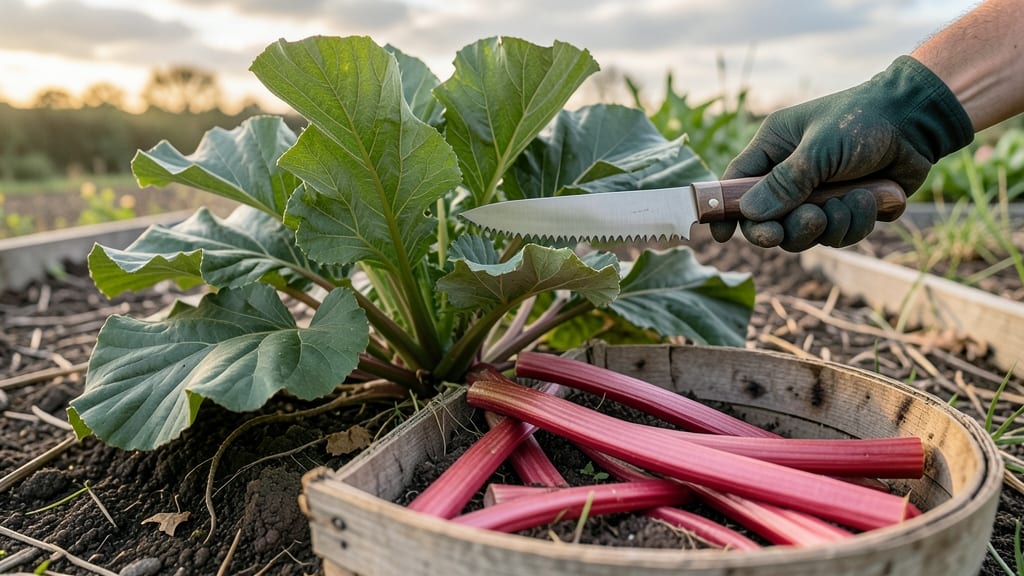
To harvest rhubarb stalks at their sweetest and most tender, wait until they reach 10–12 inches—this is the key to balancing flavor and plant health.
Picture this: you’re reaching for a stalk, and it snaps cleanly with a satisfying pop—that’s your cue. But harvest too early, and the tartness overpowers the sweetness.
Wait too long, and the stalks turn woody. The best time is late spring, when the plant is fully awake but before the heat sets in.
Rhubarb is a perennial that rewards patience—harvesting correctly ensures it thrives for years. You’ll learn how to cut stalks without damaging the crown, when to leave the leaves (spoiler: they’re not for eating!), and how to store your haul for pies, compotes, or even smoothies.
From ideal timing to tools and techniques, this guide covers everything you need to turn your rhubarb patch into a year-after-year harvest goldmine.

When to harvest rhubarb for maximum sweetness and plant health
Timing your rhubarb harvest is everything—pick too soon, and you’ll get woody, tart stalks with less sweetness. Wait too long, and the stalks become fibrous and tough, while over-harvesting weakens your plant for future seasons. The key is balancing flavor development, stalk tenderness, and plant vitality.
For me, the sweet spot arrives when stalks reach 10–12 inches long in late spring, just as new growth emerges but before the heat of summer sets in.
Rhubarb thrives in cool-season growing zones, typically producing its best stalks from April through June. In my Zone 6 garden, I start harvesting in early May, right after the last frost, when the soil warms slightly but nights remain cool.
This timing ensures peak sweetness while avoiding the stress of summer heat, which can make stalks bitter and stringy. If you live in a warmer climate, aim for early spring or fall harvests to avoid heat-related flavor decline.
Here’s how I determine if rhubarb is ready to harvest: stalks should be deep red or green (depending on variety), firm to the touch, and at least 10–12 inches tall.
I also check for fully unfurled leaves—this signals the stalk has matured enough for harvesting without sacrificing future growth. Younger stalks (under 6 inches) are still woody and underdeveloped, so I skip them to let the plant focus on building a strong root system.
Age matters too! In their first year, rhubarb plants are still establishing roots, so I limit harvests to just 1–2 stalks to avoid stress. By year two, mature plants can handle 5–10 stalks per harvest, but never take more than ⅓ of the stalks at once.
Over-harvesting weakens the crown and reduces next year’s yield—a lesson I learned the hard way when my first rhubarb patch produced only sparse stalks the following spring.
One of my biggest mistakes was harvesting rhubarb in summer heat, which turned the stalks leathery and bitter. Now, I strictly limit harvests to cool mornings after dew has evaporated but before the sun peaks.
If you’re unsure about stalk readiness, I recommend the "finger squeeze test": press a stalk gently—if it feels crisp and snaps easily, it’s perfect. If it’s soft or mushy, it’s overripe; if it’s hard and woody, it’s underripe.
Variety also plays a role in harvest timing. Red-stalked varieties like ‘Victoria’ or ‘Strawberry’ tend to mature slightly earlier than green varieties like ‘Green Stem’. I’ve found that green rhubarb often needs an extra 1–2 weeks to reach peak sweetness.
To track progress, I mark stalks with a soft floral wire when they hit 8 inches, then check them daily until they’re ready. This simple trick helps me avoid overlooking ripe stalks while preventing accidental over-harvesting.
After harvesting, I always remove the large leaves (they’re toxic if ingested) and compost them, then water the plant deeply to replenish moisture lost during stalk removal. In my experience, post-harvest care is just as critical as timing.
Skipping this step can lead to stunted regrowth or even crown rot in humid climates. For the first 2–3 weeks after harvest, I avoid fertilizing to let the plant recover, then apply a light dose of balanced fertilizer (10-10-10) to encourage new growth for the next harvest cycle.
Pro tip: If you’re planning to store harvested rhubarb, aim to pick stalks on a dry, overcast day to minimize bruising. I wrap them in paper towels and store them in the crisper drawer of my fridge, where they’ll stay fresh for up to 2 weeks. For long
Step-by-step method: how to cut rhubarb stalks without damaging the plant
Harvesting rhubarb stalks correctly ensures your plant stays healthy and produces sweet, tender stalks for years. The key is to cut at the right time and use the proper technique. Start by selecting stalks that are 10–12 inches long and deep in color—this signals peak flavor.
Avoid cutting too close to the crown, as this can damage the plant’s growth center.
You’ll need just a few tools: a sharp pruning shears or clean knife, garden gloves, and a bucket for your harvest. Always sanitize your tools with rubbing alcohol to prevent disease spread.
Work on a dry day to minimize soil splatter and reduce the risk of fungal issues. Remember, never cut more than one-third of the stalks at once to avoid stressing the plant.
How to Harvest Rhubarb Stalks
- 1 Select the right stalks: Choose stalks that are 10–12 inches long, firm, and deep in color (red, pink, or green). Avoid stalks that are woody or pale.
- 2 Use clean tools: Sanitize your pruning shears or knife with rubbing alcohol. Wear garden gloves to protect your hands from oxalic acid in the leaves.
- 3 Cut at the base: Hold the stalk firmly and cut it at a 45-degree angle, about 1 inch above the soil line. This prevents water from pooling on the stub and causing rot.
- 4 Remove leaves: Twist or pull off the large leaves and discard them (they’re toxic). Save the stalks in a bucket with the cut ends submerged in water to keep them fresh.
- 5 Water and fertilize: After harvesting, water the plant deeply and apply a balanced fertilizer (10-10-10) to encourage regrowth. Avoid fertilizing in late summer to prevent tender new growth before frost.
- 6 Store properly: Store stalks in the fridge for up to 2 weeks, wrapped in a damp paper towel. For longer storage, freeze them whole or chopped after blanching for 2 minutes.
After harvesting, give your rhubarb plant some post-harvest care to keep it thriving. Water deeply to replenish moisture lost during the harvest, and apply a light fertilizer to support regrowth. Avoid cutting stalks too close to the crown, as this can expose the plant to rot or pests.
If you notice any damaged or diseased stalks, remove them immediately to protect the rest of the plant.
Pro tip: Mark your harvest dates on a calendar to track growth patterns. Over time, you’ll learn which stalks produce the sweetest flavors and when to expect the next harvest. With proper care, your rhubarb plant can yield delicious stalks for 10+ years! 🌱