
How To
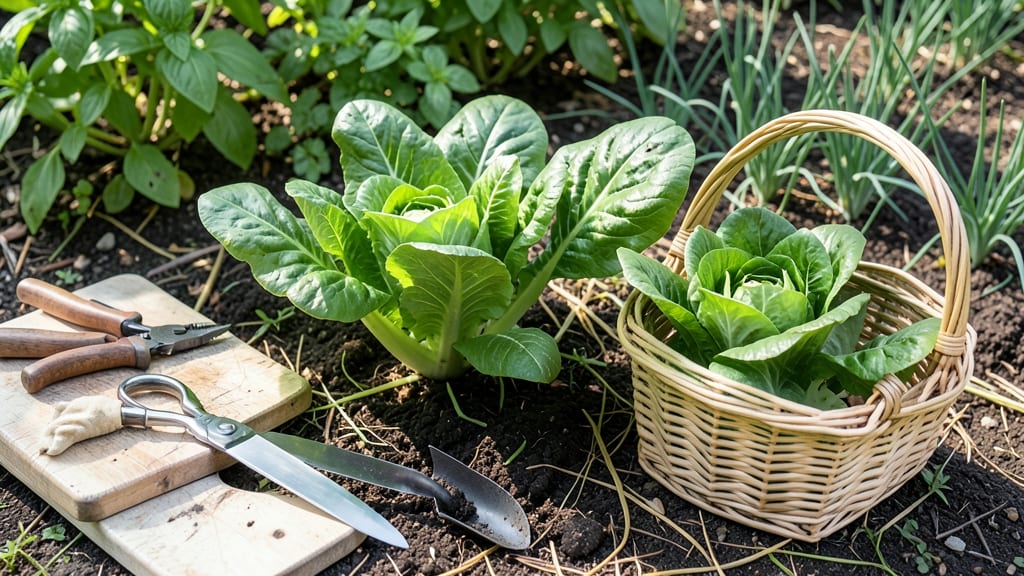
Harvesting romaine lettuce 🥬 from your garden at the right time ensures crisp, flavorful leaves and encourages regrowth for multiple cuts.
Nothing beats the crisp, fresh taste of homegrown romaine lettuce—if you know when and how to harvest it properly. Cut too early, and you’ll sacrifice flavor and yield; wait too long, and you risk bolting or bitter leaves.
Timing is everything: aim for leaves that are 6-8 inches long, tightly packed, and deep green. This guide covers the best tools, cutting techniques, and storage tips to keep your harvest going all season.
From avoiding bolting to maximizing regrowth, you’ll learn how to turn one planting into a continuous supply of garden-fresh greens.

When to harvest romaine lettuce for optimal regrowth and flavor
Timing your romaine lettuce harvest is everything—cut too early, and you’ll miss out on that perfect crisp texture and bold flavor. Wait too long, and your lettuce may bolt, sending up bitter flower stalks instead of tender leaves.
The ideal harvest window for romaine is between 50 to 60 days after planting, when leaves reach 6 to 8 inches in length and form a tight, upright head. This timing maximizes both regrowth potential and flavor intensity, giving you multiple harvests from a single plant.
Romaine lettuce thrives in cooler temperatures, so aim to harvest in spring or fall when daytime highs stay below 75°F (24°C). Heat stress above 80°F (27°C) triggers bolting, so avoid harvesting during peak summer months unless you’re in a high-altitude or coastal region with cooler climates.
If you’re growing romaine in containers or raised beds, monitor soil temperatures—ideal ranges are between 45°F to 70°F (7°C to 21°C).
| Harvest Stage | Leaf Size | Days to Maturity | Ideal Temperature | Regrowth Potential |
|---|---|---|---|---|
| Early Harvest | 4-6 inches | 30-40 days | 45°F-65°F (7°C-18°C) | Moderate (smaller leaves) |
| Optimal Harvest | 6-8 inches | 50-60 days | 50°F-70°F (10°C-21°C) | High (full regrowth) |
| Late Harvest | 8+ inches | 60-70 days | Below 75°F (24°C) | Low (risk of bolting) |
| Bolting Risk | Any size | 70+ days | Above 80°F (27°C) | None (plant dies) |
To check if your romaine is ready for harvest, gently grasp the outer leaves—they should feel firm and crisp, not floppy or mushy. The head should be tightly packed and upright, with leaves exhibiting a deep green color.
If you notice the leaves starting to yellow at the edges or the plant stretching upward, it’s a sign of over-maturity or bolting. In this case, harvest immediately or the plant will become inedible.
Weather plays a crucial role in harvest timing. After a light frost (below 32°F/0°C), romaine leaves may develop a slightly sweeter flavor, but avoid harvesting if temperatures drop below 25°F (-4°C), as this can damage the plant.
If you’re in a region with hot summers, opt for shade cloth or succession planting in early spring and late summer to extend your harvest window and prevent bolting.
One of the biggest mistakes gardeners make is harvesting the entire head at once. Instead, use the cut-and-come-again method: snip the outer leaves with clean scissors, leaving the inner core intact. This encourages the plant to regrow, giving you 3 to 4 additional harvests per season.
Always cut leaves at a 45-degree angle, about 1 inch above the base, to promote faster regrowth and prevent disease.
If your romaine starts to bolt—identified by tall, thin stems with yellow flowers—it’s past its prime for leaf production. However, you can still harvest the lower leaves before they become bitter.
To prevent bolting in future crops, avoid over-fertilizing with nitrogen, keep plants well-watered, and provide consistent shade during heatwaves. Mulching with straw or grass clippings also helps maintain even soil temperatures and moisture levels.
For the best flavor and texture, harvest romaine in the early morning when leaves are fully hydrated and crisp. Store harvested leaves in a perforated plastic bag in the refrigerator for up to 5-7 days, or wrap them in a damp paper towel to maintain freshness.
If you’re planning to regrow your romaine, water the base thoroughly after harvesting and keep the soil consistently moist to encourage new leaf production within 2 to 3 weeks.
Pro tip: If your romaine heads are loose or spreading, they’ve likely been exposed to too much sunlight or heat. In this case, harvest immediately and move the plant to a shadier spot for the next growth cycle.
With the right timing and care, you can enjoy continuous harvests of crisp, flavorful romaine all season long—no bolting in sight!
Step-by-step harvesting techniques for continuous romaine lettuce
Harvesting romaine lettuce correctly is the secret to enjoying crisp, fresh greens all season long. Unlike many leafy greens, romaine thrives when you use the cut-and-come-again method, allowing the plant to regrow after each harvest.
This technique ensures you get multiple harvests per plant, maximizing your yield without sacrificing quality. The key is knowing when to cut and how to trim to encourage healthy regrowth.
Before you grab your shears, gather the right harvesting tools. A sharp pair of pruning shears or a clean knife is essential for making clean cuts that heal quickly. Avoid using dull tools, as they can tear leaves and invite pests.
You’ll also want a bucket of ice water nearby to store freshly cut lettuce until you’re ready to use it. This keeps the leaves crisp and prevents wilting while you work.
How to Harvest Romaine Lettuce from Garden
- Step 1: 1
- Step 2: 2
- Step 3: 3
- Step 4: 4
- Step 5: 5
- Step 6: 6
Choose the right time: Harvest in the morning after dew dries but before the sun is harsh. Aim for cool, overcast days to prevent stress on the plant. Check for 6-8 inch leaves that are deep green and firm—these are ready for harvest.
Decide on your cutting method: For continuous regrowth, use the outer-leaf method. Gently grasp the outermost leaves (about 1/3 of the plant) and cut them at the base, leaving the inner leaves intact. This encourages the plant to fill out again. For a full head harvest, cut the entire head 1-2 inches above the soil.
Use the right tools: Hold the lettuce firmly with one hand and use sharp pruning shears or a clean knife to make a diagonal cut. This prevents crushing the stem and promotes faster healing. Avoid pulling leaves, as this can damage the plant.
Encourage regrowth: After harvesting, water the base thoroughly to reduce stress. Apply a light layer of compost around the plant to replenish nutrients. Avoid fertilizing immediately after harvest, as this can cause bolting (premature flowering). Instead, wait 1-2 weeks before feeding.
Monitor for bolting: If your romaine starts to bolt (send up a tall flower stalk), it’s a sign of stress, often caused by heat or over-maturity. To prevent this, harvest regularly and provide partial shade during hot afternoons. If bolting occurs, pull the plant and compost it to avoid reseeding.
Store harvested leaves: Place cut lettuce in a bucket of ice water for up to 2 hours to crisp it up. Drain, dry with a clean towel, and store in a sealed container in the fridge for up to 5-7 days. For long-term storage, trim leaves and store in a paper towel-lined container to absorb moisture.
One of the most common mistakes gardeners make is harvesting too aggressively. Never remove more than 1/3 of the plant at a time, or you’ll stunt its ability to regrow.
If you notice the center leaves turning yellow or bitter, it’s a sign the plant is over-mature or stressed. In this case, harvest the entire head and start fresh with new seedlings or transplants.
With the right technique, you can enjoy continuous harvests of romaine lettuce for 6-8 weeks per planting. This means fewer seeds to sow and more fresh greens for your table.
Plus, the cut-and-come-again method reduces waste and keeps your garden productive. Just remember: patience and consistency are key to a thriving romaine patch.
🥬