
How To
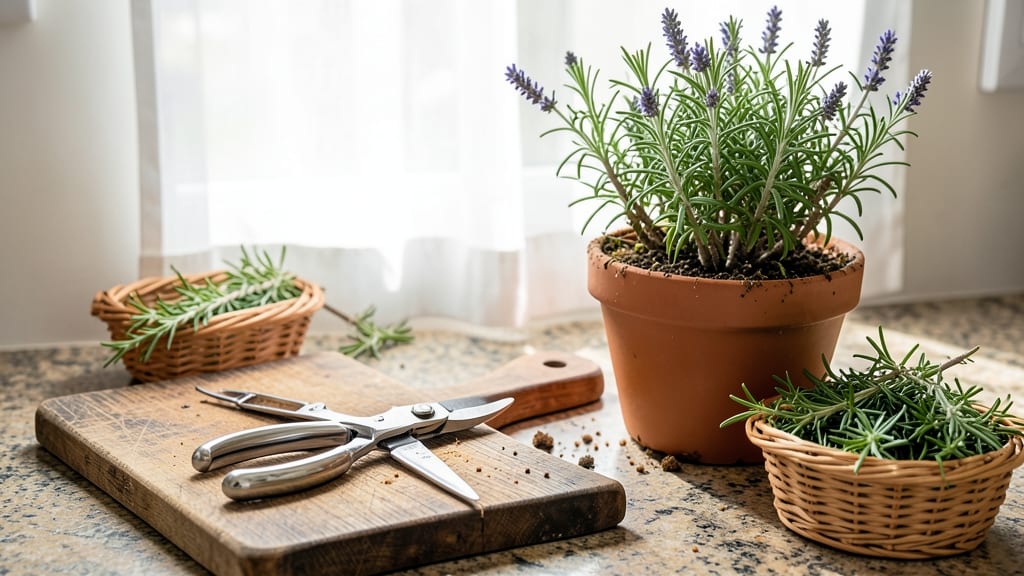
To harvest rosemary plant at its peak flavor and without harming growth, focus on timing and technique—spring and fall are the sweet spots for the freshest sprigs.
Picture this: you’ve nurtured your 🌿 rosemary for months, and now it’s time to reap the rewards. But cutting too much or at the wrong time can turn your kitchen staple into a sad, leggy shadow.
The secret? Harvesting just before flowering, when the needles are vibrant and packed with aroma.
This guide breaks down the best stems to trim, how much to leave behind, and the simple tools you’ll need—plus how to store your harvest so it stays fragrant for months. No more guesswork, just flavorful sprigs ready for your next dish.
Whether you’re drying bundles for winter soups or snipping fresh sprigs for roasted potatoes, these steps ensure your rosemary keeps thriving while delivering the boldest taste. Let’s get started.

When and how to harvest rosemary for maximum flavor and plant health
Harvesting rosemary at the right time ensures you get the most aromatic leaves while keeping your plant healthy and bushy.
Unlike many herbs, rosemary thrives when you prune it regularly, but timing and technique matter. Spring and early fall are the best seasons to harvest, as the plant is actively growing and flavor compounds peak. Avoid cutting too much at once—this can stress the plant and reduce future harvests.
Before you grab your pruning shears, check for these signs: vibrant green needles, a strong pine-like scent when crushed, and stems that are firm but flexible. If your rosemary has pale leaves or soft stems, it’s not ready for harvest.
The goal is to encourage new growth while preserving the plant’s energy for future harvests.
Use sharp, clean pruning shears or scissors to make clean cuts just above a leaf node. This encourages the plant to branch out, creating a fuller, more productive bush. Never pull leaves off the stem—this can damage the plant and leave it vulnerable to disease.
Always cut in the morning when the oils in the leaves are at their peak.
Step-by-Step Guide to Harvesting Rosemary
- 1 Choose the right time: Harvest in spring (March-April) or early fall (September-October) when the plant is actively growing. Avoid harvesting after the first frost or during extreme heat.
- 2 Identify healthy stems: Look for stems with dark green needles and a strong aroma. Avoid stems that are woody, dry, or have yellowing leaves. Focus on non-flowering stems for the best flavor.
- 3 Use the right tools: Grab sharp pruning shears or clean scissors. Disinfect your tools with rubbing alcohol to prevent spreading disease. Never use dull or dirty tools—they can tear the stems and introduce pathogens.
- 4 Make clean cuts: Cut just above a leaf node (the point where leaves grow out). This encourages the plant to branch out. Avoid cutting into old, woody growth—focus on new growth for the best results.
- 5 Limit your harvest: Never remove more than one-third of the plant at once. For mature plants, aim to harvest 3-4 sprigs per session. This ensures the plant has enough energy to recover and grow back stronger.
- 6 Harvest in the morning: The essential oils in rosemary are most concentrated in the morning. Cut stems just as the dew dries (around 8-9 AM) for the freshest, most flavorful harvest.
- 7 Store or use immediately: Use fresh rosemary within 3-5 days for the best flavor. If storing, hang sprigs upside down in a dry, dark place or place them in the fridge wrapped in a damp paper towel for short-term use.
If you’re harvesting rosemary in containers, be extra cautious not to over-prune. Container-grown rosemary has limited root space, so it recovers more slowly from heavy harvesting. Stick to smaller cuts and harvest less frequently—every 4-6 weeks is ideal.
For outdoor plants, you can harvest more aggressively since they have deeper roots and more resilience.
One common mistake is harvesting rosemary when it’s flowering. While the flowers are edible, the flavor shifts from pine-like to slightly bitter. Always harvest just before flowers appear to preserve that classic rosemary aroma. If you miss this window, simply wait until the next growth cycle and try again.
To encourage bushier growth, rotate your harvesting spots around the plant. Avoid always cutting from the same side, as this can create uneven growth. After harvesting, give your rosemary a light fertilizer (like a balanced 10-10-10) to help it recover.
This is especially important if you’ve harvested heavily or during the growing season.
Did you know? Rosemary can live for decades with proper care, including regular but gentle harvesting. A well-maintained rosemary plant can produce harvests year-round in mild climates.
The key is consistency—harvest often but never overdo it. With the right approach, your rosemary will reward you with abundant, flavorful leaves for years to come.
Rosemary pruning techniques: how to encourage growth without over-trimming
Pruning your rosemary plant isn't just about harvesting fresh sprigs—it's a crucial step to maintain its health and encourage bushier growth. When done correctly, pruning stimulates new shoots while preserving the plant's natural shape.
The key lies in understanding proportional trimming ratios and seasonal adjustments to avoid stressing your herb. Over-trimming can weaken the plant, while improper cuts may even kill it by exposing the woody center.
Most gardeners make two common mistakes: cutting too much at once or targeting the wrong parts of the plant. For example, removing more than one-third of the plant in a single session can shock rosemary, especially in hot climates.
Additionally, pruning old, woody stems instead of new growth reduces the plant's ability to recover. Let's explore how to prune like a pro while keeping your rosemary thriving for years.
DON'T Over-Prune!
Never remove more than one-third of the plant in a single session. This rule applies year-round but is especially critical during hot summer months when rosemary struggles to recover. Focus on cutting new growth (soft stems at the tips) rather than old, woody branches to encourage bushiness.
Start by pruning in early spring to shape your rosemary and remove any dead or damaged stems. Use clean, sharp pruners to make 45-degree cuts just above a leaf node. This angle helps water run off, preventing rot.
Aim to trim back about one-third of the plant's height during this first session, but spread it out over multiple stems to avoid overwhelming the plant.
Seasonal adjustments are key: in late summer or early fall, give your rosemary a light trim to prepare it for winter. Reduce pruning by 50% compared to spring since the plant slows growth as temperatures drop.
Avoid heavy pruning in winter months entirely, as new growth won't survive cold snaps. Instead, focus on removing only the most damaged branches.
Another critical tip is to never prune into the woody center of the plant. The heartwood of rosemary doesn't regenerate, so cutting there creates permanent damage. Always leave at least 3-4 inches of healthy growth below any cut.
If you accidentally expose the center, stop pruning that branch entirely and let it recover naturally.
For container-grown rosemary, pruning is even more important since space is limited. Trim back by one-quarter in spring and another quarter in early summer to maintain compact growth.
Use the same 45-degree cut technique, but be extra cautious not to over-prune—containers dry out faster, and stressed plants are more vulnerable to root rot.
Finally, remember that regular light pruning throughout the growing season yields the best results. A little maintenance every 4-6 weeks keeps your rosemary lush and productive. By following these techniques, you'll enjoy a flavorful, healthy plant that continues growing for decades—without ever risking its life through over-trimming. ✂️🌿