
How To
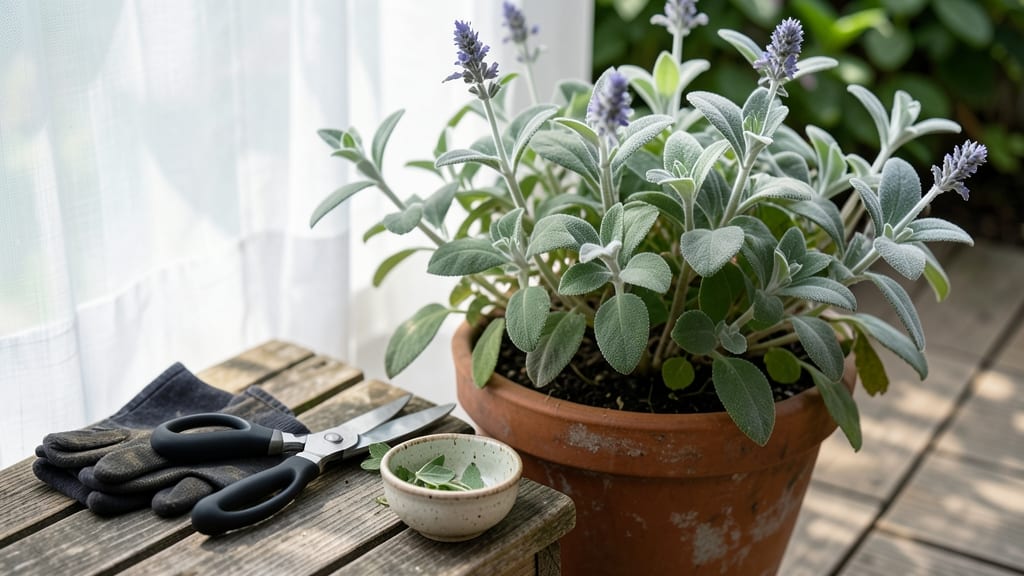
Harvesting sage leaves the right way keeps your 🌿 garden productive while preserving that signature earthy flavor—no more bitter surprises in your cooking.
Picture this: you’ve just planted your sage in March, and by late spring, those fragrant leaves are ready for the taking. But timing matters—prune too early, and you’ll stunt growth; too late, and the flavor fades.
The key is knowing when to snip and how to encourage more leaves without harming the plant.
Whether you’re drying bundles for winter soups or snipping fresh sprigs for roasted chicken, proper harvesting ensures your sage keeps giving. Below, I’ll walk you through the best methods, tools, and seasonal tips to turn a single bush into a year-round supply.
You’ll learn how to spot the perfect leaves, avoid over-pruning, and even troubleshoot if your sage starts looking sad. By the end, you’ll have a thriving herb garden that’s as rewarding as it is delicious.

When and how to prune sage for maximum leaf harvest
Timing your sage pruning correctly is the secret to a continuous leaf harvest while keeping your plant healthy. Unlike many herbs, sage thrives when pruned twice a year—once in early spring and again in late summer.
This two-step approach encourages bushier growth and prevents woody stems from dominating, ensuring you always have tender, flavorful leaves. I’ve found that spring pruning jumpstarts growth after winter dormancy, while summer pruning maintains shape and prevents flowering, which can reduce leaf quality.
Before you grab your shears, gather the right tools: sharp pruning shears, sterilized scissors, and gardening gloves to protect your hands from the plant’s oils. I always disinfect my tools with rubbing alcohol to prevent disease spread—especially important if you’re pruning multiple plants.
Sage is drought-tolerant, so no special watering prep is needed, but a light watering the day before pruning helps reduce stress on the plant. The key is to cut just above a leaf node or set of leaves to encourage new growth from that point.
How to Prune Sage for Continuous Harvests
- 1 Choose the right time: Prune in early spring (March-April) to shape the plant after winter dormancy, and again in late summer (August-September) to encourage new growth before fall.
- 2 Identify growth points: Look for leaf nodes (where leaves attach to stems). These are the spots where new growth will sprout after pruning.
- 3 Cut just above the node: Use clean shears to make a 45-degree angle cut about 1/4 inch above a leaf node. Avoid cutting into woody stems.
- 4 Remove up to 1/3 of the plant: Never prune more than one-third of the sage at once. This prevents shock and allows the plant to recover quickly.
- 5 Encourage bushiness: For a fuller plant, pinch off the top few inches of new growth in spring. This stimulates side shoots and creates a denser, more productive bush.
- 6 Avoid fall pruning: Skip pruning in fall or winter—sage needs time to harden off before dormancy. Pruning too late can stimulate tender new growth that won’t survive frost.
Spring pruning is all about shaping and revitalizing your sage. Start by removing any dead or damaged branches first—they’ll only sap energy from the rest of the plant. Then, focus on cutting back leggy stems to encourage a more compact shape.
I like to prune my sage in March when new growth is just beginning to appear. This gives the plant plenty of time to recover before the heat of summer. For container-grown sage, you can prune slightly more aggressively since they have limited space to spread.
If you’re growing common sage (Salvia officinalis), purple sage, or golden sage, the pruning principles are the same, but timing can vary slightly. Purple sage, for example, benefits from a slightly later spring pruning (late April) because it’s more sensitive to cold.
Always check your specific variety’s hardiness zone—sage thrives in USDA zones 5-8, but early frosts can delay spring pruning in cooler climates. I’ve learned the hard way that rushing pruning too early in cold zones can stress the plant!
One of my favorite tricks to maximize harvests is selective pruning. Instead of shearing the entire plant at once, I snip individual stems as they reach maturity. This method keeps the plant looking tidy while ensuring a steady supply of fresh leaves throughout the growing season.
Just be sure to never harvest more than 20-30% of the plant at once, or you’ll stunt its growth. For culinary use, I prefer harvesting leaves from the middle of the plant—they’re more flavorful than the older, woody leaves at the base.
After pruning, your sage will send out new growth within 2-3 weeks, especially if it’s getting 6+ hours of sunlight daily. To support recovery,
Best practices for harvesting sage leaves without damaging the plant
Harvesting sage leaves correctly ensures your plant stays healthy and productive for years. The key is using the right techniques to encourage regrowth while avoiding over-pruning.
Different sage varieties—common sage, purple sage, and golden sage—respond best to specific methods, so knowing when and how to cut makes all the difference.
Start harvesting once your sage plant reaches 6-12 inches tall and has at least 6-8 mature leaves per stem. This usually happens 60-90 days after planting, depending on your climate. Early harvesting stimulates bushier growth, giving you more leaves in the long run.
Always use clean, sharp pruning shears or scissors to make precise cuts. Avoid tearing leaves, as this can damage the plant and invite pests. For organic pruning, focus on pinching back the tips of stems rather than shearing entire branches.
Never remove more than 1/3 of the plant's foliage in a single harvest. Cutting too aggressively can stress the plant, reduce flowering, and even kill it. Golden sage is especially sensitive—limit harvests to 2-3 times per year to preserve its delicate growth.
For common sage and purple sage, you can harvest 3-4 times per season (spring through early fall). Focus on cutting just above a leaf node or pair of leaves to encourage new growth. This method promotes a fuller, bushier plant over time.
Signs of over-pruning include yellowing leaves, stunted growth, or bare stems. If you notice these, reduce future harvests and allow the plant to recover. Always prune in the morning when leaves are dry to minimize disease risk from moisture.
After harvesting, let the plant recover for 4-6 weeks before pruning again. This gives it time to regenerate and store energy for the next harvest. With proper care, your sage plant will thrive and provide fresh leaves for years to come.