
How To
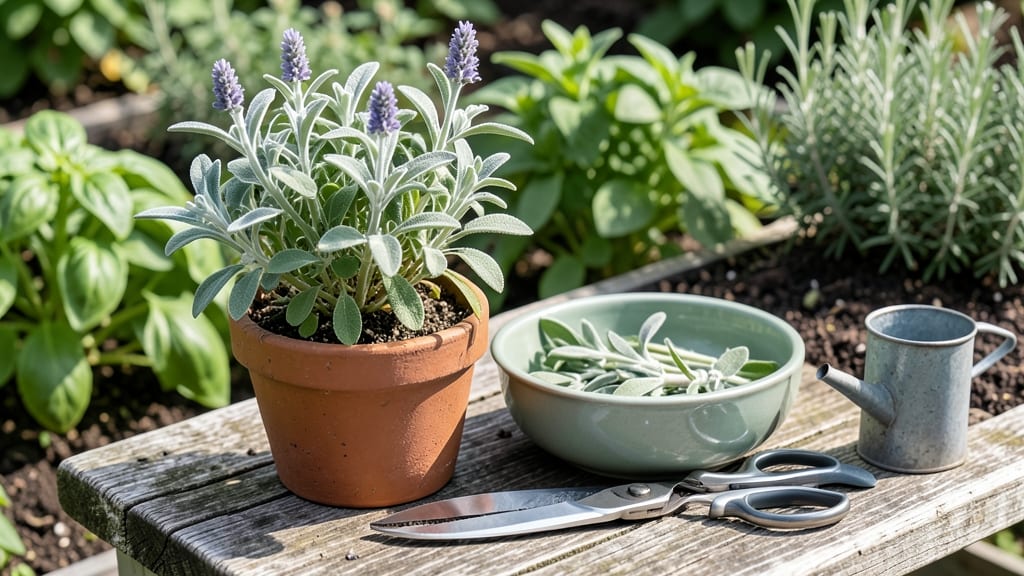
To harvest sage so it keeps growing, focus on cutting just above a leaf node or pair of leaves—this trick tells the plant to branch out and grow thicker.
Most gardeners make the mistake of snipping the top leaves only, leaving the stems bare and stunted. But a few simple cuts in the right spots can turn a leggy plant into a bushy, productive powerhouse—one that keeps giving you fresh herbs for years.
Timing matters just as much as technique: harvest in the morning after the dew dries, before the plant flowers, and never take more than one-third of the plant at once. These small adjustments make all the difference between a struggling herb and a thriving 🌿.
Below, I’ll walk you through the exact steps—when to prune, how much to cut, and what to do after harvesting—to keep your sage lush, flavorful, and ready for your next recipe.

The perfect timing and technique for harvesting sage without killing growth
Harvesting sage at the wrong time or with the wrong technique can leave your plant looking ragged or even dead. The key is to stimulate regrowth while maintaining plant health. I’ve learned through trial and error that timing matters—spring, summer, and fall each offer unique opportunities (and risks) for harvesting.
In spring, focus on harvesting new growth after the last frost when your sage has at least 6-8 inches of healthy stems. Summer is prime time for leaf harvesting, but avoid cutting into woody stems.
Fall is your last chance before dormancy—harvest lightly to encourage bushier growth next season.
You’ll want to harvest individual leaves rather than entire stems unless you’re pruning for shape. Always use clean, sharp pruners to avoid tearing the plant. I’ve seen gardeners make the mistake of cutting too close to the base or harvesting before the plant is mature, which weakens it.
How to Harvest Sage So It Keeps Growing
-
Step 1: Choose the Right Time
Harvest in the morning after dew has dried. Spring and early summer are ideal for leaf harvesting when plants are actively growing.
-
Step 2: Identify Healthy Stems
Look for stems with 3-4 sets of leaves. Avoid cutting stems that are woody or flowering—these won’t regrow as easily.
-
Step 3: Use the Right Tools
Use clean pruners or sharp scissors. Never tear leaves—this damages the plant and invites disease.
-
Step 4: Cut at the Right Angle
Make cuts just above a leaf node (the bump where leaves grow). This encourages new shoots to sprout from that point.
-
Step 5: Avoid Over-Harvesting
Never remove more than 1/3 of the plant at once. Over-harvesting stresses sage and can lead to stunted growth or death.
-
Step 6: Stimulate Regrowth
After harvesting, water deeply and apply a light fertilizer (like 5-10-10) to encourage new growth. Sage thrives with full sun and well-draining soil.
One of the biggest mistakes I’ve seen is harvesting flowering sage. When sage flowers, its leaves become bitter and less aromatic. Plus, cutting flowers stops regrowth because the plant shifts energy to seed production. Always prune flowers back to encourage more leafy growth.
If your sage looks leggy or sparse after harvest, it’s time for a rejuvenation prune. In late winter or early spring, cut back 1/3 of the plant’s height to encourage bushier, fuller growth. This is especially useful for older plants that have become woody.
For container-grown sage, harvest even more carefully. Pots dry out faster, and over-harvesting can stress the plant. Stick to individual leaves or small stem cuts and avoid pruning more than 10% of the plant at a time. Water thoroughly after harvesting to help recovery.
Remember, sage is resilient but not indestructible. With the right timing and technique, you’ll have a bushy, productive plant that keeps giving year after year. The key is balance—harvest enough for fresh herbs, but never so much that you compromise the plant’s health.
How often to harvest sage for maximum regrowth and abundance
Harvesting your sage plant too frequently can weaken it, while waiting too long reduces yield. The key is a balanced schedule that encourages new growth without stressing the plant. Most gardeners find success with a monthly harvest during peak growing seasons, but timing matters just as much as frequency.
For example, harvesting in late summer before flowering stimulates bushier regrowth, while winter harvests should be minimal to avoid shocking dormant plants.
Your harvesting frequency should also depend on the plant’s growth stage. Young sage plants (under 1 year old) need gentle handling—limit cuts to 2-3 times per year to avoid stunting their development. Mature plants, however, can handle more frequent harvesting, especially if you’re pruning to shape the plant.
The goal is to remove no more than 1/3 of the foliage at any single harvest to maintain vigor.
Watch for signs of over-harvesting like yellowing leaves, stunted growth, or bare stems. If you’ve pushed your sage too far, don’t panic—revive it by reducing water slightly, applying a balanced fertilizer (like 5-10-10), and trimming back any dead growth.
Within 4-6 weeks, healthy new shoots should emerge if the roots are still intact. I’ve revived over-harvested sage plants by simply stopping cuts for 2 months and focusing on soil health.
For container-grown sage, adjust your schedule slightly—these plants have limited root space and need even more recovery time. Harvest every 5-6 weeks instead of monthly, and always prune just above a leaf node to encourage branching.
Container sage also benefits from annual repotting in spring to refresh the soil and support regrowth.
Pro tip: Morning harvests yield the most flavorful leaves because essential oils peak after a full night’s rest. After cutting, rinse leaves briefly in cool water to remove dust, then lay them flat on a paper towel to dry.
Store harvested sage in an airtight container in the fridge for up to 2 weeks or freeze for long-term use. This simple post-harvest care keeps your sage productive and your kitchen stocked all season.
Remember, patience pays off with sage. A well-cared-for plant can live for decades and produce harvests year after year. The more you observe your plant’s response to your harvesting schedule, the better you’ll understand its unique rhythm.
Start with these guidelines, then fine-tune based on your climate and the sage’s growth patterns.