
How To
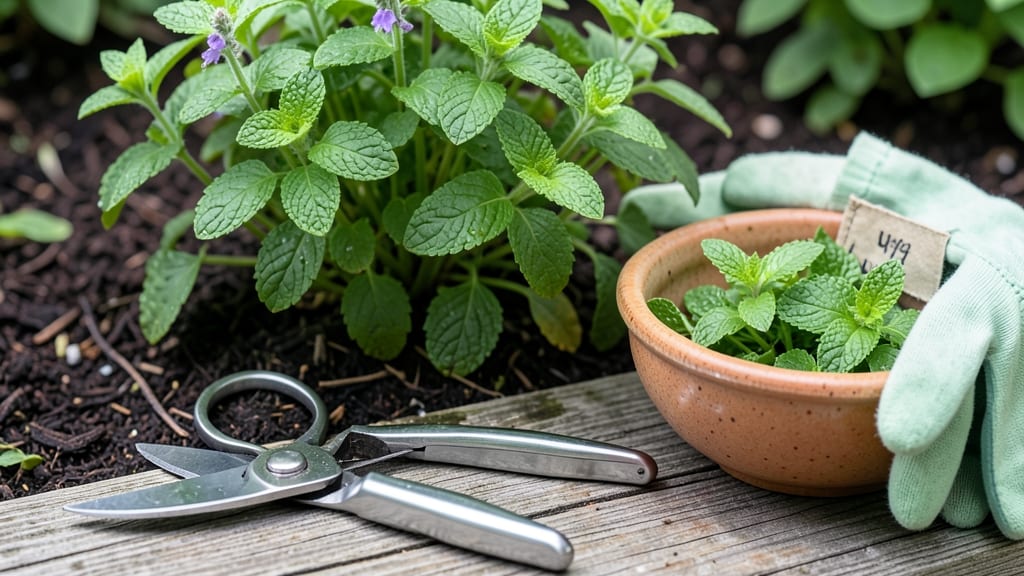
Harvesting spearmint at the right time ensures the brightest flavor and keeps your 🌿 thriving for months.
Picture this: you pinch a stem, and it snaps cleanly, releasing that signature minty aroma. That’s the moment you’ve been waiting for—when spearmint’s oils are at their peak.
But harvest too early or too late, and you’ll end up with bitter leaves or stunted growth. The secret? Timing, technique, and a little patience to encourage regrowth.
Spearmint loves to spread, and the more you harvest correctly, the bushier it gets. Whether you’re snipping for tea, cooking, or drying bundles, knowing when to cut (and how) makes all the difference.
Below, I’ll walk you through the exact steps to get the most flavorful yield—and keep your plant happy all season.
Ready to turn your spearmint patch into a flavor powerhouse? Let’s dive into the best ways to harvest, store, and even extend your harvest season so you’re never without fresh mint.

When and how to harvest spearmint for maximum flavor
Harvesting spearmint at the right time ensures those bright, citrusy notes dominate instead of bitter undertones. The best flavor appears when stems snap cleanly between your fingers—this signals peak maturity without stressing the plant.
First-year plants may take 60–75 days to reach harvest readiness, while established spearmint thrives year after year with proper care.
Timing matters more than you’d think. Morning harvests preserve essential oils since dew hasn’t evaporated yet, while afternoon cuts risk woody stems and reduced potency. Aim for late spring through early fall (June–September) when growth is vigorous, but never let spearmint flower—its flavor diminishes by 30% once buds appear.
📌 Key Takeaway: Snap stems at the base (not cut) to encourage bushier regrowth and avoid disease entry points from pruning wounds.
To test readiness, crush a leaf—if it releases a bold minty aroma, it’s harvest-ready. First-year plants should yield 4–6 inches of growth before harvesting; established plants can handle up to 50% stem removal without stress. Always leave 2–3 inches of stem to encourage regrowth.
Use clean, sharp scissors or your fingers to snap stems at the base. Avoid cutting with dull tools, which crush stems and invite fungal infections. For container-grown spearmint, harvest outer stems first to protect the center from sunburn.
Seasonal timing shifts slightly: First-year plants should wait until after the last frost (April 15 in Zone 6a) to avoid cold damage, while established plants can produce flavorful leaves until first frost (October 15) with proper protection.
Pro tip: Harvest spearmint every 4–6 weeks during peak season to maintain vigor. Over-harvesting weakens plants, but consistent light pruning keeps them compact and productive. Store harvested stems in a paper bag in the fridge for up to 1 week to preserve freshness.
Watch for these maturity signs: dark green, glossy leaves with visible veins and a thick, sturdy stem. If leaves appear yellow or sparse, the plant needs more sunlight or fertilizer. Never harvest wilted or diseased foliage—it spreads pathogens.
🌿 For continuous harvests, trim one-third of the plant at a time, rotating sections to balance regrowth. This method keeps spearmint lush and flavorful for multiple harvests per season.
Spearmint harvesting mistakes that ruin flavor (and how to fix them)
Harvesting spearmint at the wrong time or using improper techniques can turn your fragrant herb into a bitter, woody mess. I’ve seen even experienced gardeners make these critical mistakes—like harvesting too early or cutting stems instead of snapping them—which drain flavor and stress the plant.
The good news? Most damage is reversible with the right corrective actions.
Your spearmint’s flavor peaks when leaves are fully mature but before flowering. Once buds appear, oils that create that signature minty punch start converting into bitter compounds.
Even a single incorrect harvest can set your plant back for weeks, so let’s fix these common errors before they ruin your crop.
Mistake: Cutting stems with scissors or shears instead of snapping them cleanly at the base.
Why it’s bad: Scissors crush stems, causing browning and disease entry points. Snapping preserves flavor and encourages bushier regrowth.
Fix: Pinch stems between thumb and forefinger until they snap cleanly just above a leaf node. This stimulates new growth from that node.
Another flavor killer? Harvesting leggy, pale spearmint. When plants stretch toward light or lack nutrients, leaves become thin and flavorless. To revive them, trim back 1/3 of the leggy growth and move the plant to a sunnier spot. Within 2 weeks, you’ll see thicker, more aromatic foliage.
Over-pruning is just as damaging. If you’ve trimmed your spearmint too aggressively, it may look stunted or bare. The solution? Feed your plant with a balanced 5-10-10 fertilizer and reduce future harvests by 50% for 4-6 weeks. This gives roots time to recover while maintaining flavor production.
For bitter-tasting spearmint, check for these red flags: yellowing leaves, woody stems, or flowers already forming. If caught early, prune back all flowering stems and increase watering to 1 inch per week. The plant should rebound with stronger, sweeter leaves within 3-4 weeks.
Here’s my flavor recovery checklist for compromised spearmint: ☑️ Trim back all woody or leggy growth ☑️ Move to full sun (6+ hours daily) ☑️ Water deeply 2x weekly (morning only) ☑️ Fertilize with 1 tbsp 5-10-10 per plant ☑️ Wait 4 weeks before next harvest ☑️ Harvest only outer leaves to avoid stressing the plant