
How To
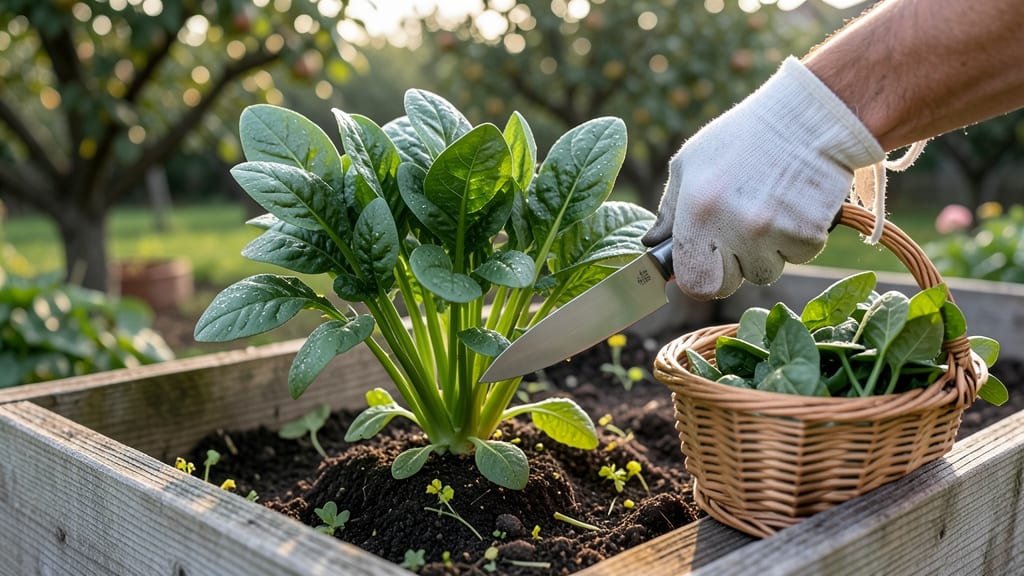
To harvest spinach properly means picking tender leaves at the perfect moment so your plants keep producing fresh, flavorful greens all season—no more waiting for one big harvest.
If you’ve ever torn a leaf only to watch the plant bolt or wilt, you know timing and technique make all the difference. The secret? Harvesting outer leaves first when they’re 3-6 inches long and still bright green, leaving the inner growth to thrive.
This leaf-by-leaf method keeps your spinach 🌱 happy and productive, whether you’re growing it in USDA Zone 6a or any other region. Below, I’ll walk you through the exact steps—plus what to avoid—to get the most from your crop.
You’ll also discover how to store your harvest and turn those fresh leaves into meals, so nothing goes to waste. Ready to enjoy homegrown spinach all season?

When and how to harvest spinach for maximum yield and taste
Harvesting spinach at the right time is an art that balances flavor, texture, and regrowth potential. Unlike some vegetables, spinach rewards patience—when you pick leaves at the perfect stage, you encourage your plants to produce more tender greens for weeks.
The key lies in understanding leaf size, plant maturity, and the best cutting techniques to avoid stressing your plants.
Spinach typically reaches harvest readiness 30-60 days after sowing, but timing varies by variety. For most types, aim to harvest when leaves reach 3-6 inches long and are bright green and tender.
If you wait too long, leaves become tough and bitter, while harvesting too early means missing out on flavor development. The goal is to pick leaves before they start flowering (bolting), which often happens in hot weather or when days lengthen.
For the best flavor and texture, I recommend using the leaf-by-leaf harvesting method. This involves gently pinching off the outer leaves first, leaving the inner, younger leaves to continue growing. This approach mimics natural pruning and stimulates your spinach to produce more leaves.
Always use clean, sharp scissors or pruners to make clean cuts just above a leaf node (where new leaves emerge). Avoid tearing leaves, as this can damage the plant and invite pests.
If you prefer a bunch harvesting method, cut a small group of 3-4 mature outer leaves at a time, leaving at least one-third of the plant intact. This method works well for varieties like 'Bloomsdale Long Standing' or 'Giant Winter,' which are more tolerant of occasional larger harvests.
However, be cautious—removing too many leaves at once can shock the plant, especially in hot weather, and may trigger bolting.
Signs your spinach is ready for harvest include leaves that are bright green, tender to the touch, and 3-6 inches long. The stem should separate easily from the soil when gently pulled.
If you notice yellowing leaves or small, sparse growth, your plant may be stressed or nutrient-deficient. In this case, hold off on harvesting and focus on improving soil conditions with compost or nitrogen-rich fertilizer.
One common mistake is harvesting spinach in hot weather, which can cause the plant to bolt prematurely. Spinach thrives in cool temperatures (50-75°F) and may produce bitter or tough leaves when exposed to heat.
To extend your harvest season, opt for bolt-resistant varieties like 'Tyee' or 'Space' and provide afternoon shade during summer months. Mulching with straw can also help keep roots cool and retain moisture.
After harvesting, store spinach in the crisper drawer of your fridge for up to 5-7 days to maintain freshness. For longer storage, blanch leaves and freeze them in airtight containers. This preserves nutrients and allows you to enjoy homegrown spinach even when your plants aren't actively producing.
With the right harvesting techniques, you can enjoy a continuous supply of tender, flavorful spinach for months!
🌱
Step-by-step leaf-by-leaf harvesting method to avoid bolting
Harvesting spinach leaf-by-leaf is the secret to a continuous harvest without triggering bolting—the dreaded transition to flowering. When done correctly, this method keeps your plants productive for weeks longer, giving you tender greens all season. The key lies in selective harvesting and timing to avoid stressing the plant.
Before you begin, gather your harvesting tools: a sharp pair of pruning shears or clean scissors, a bucket with cold water (to store leaves), and a small notepad to track growth.
Work in the early morning when leaves are crisp and hydrated, reducing stress on the plant. This gentle approach ensures your spinach stays tender and productive.
How to Harvest Spinach Leaf-by-Leaf
- Step 1: Identify Mature Leaves Look for outer leaves that are 3-6 inches long and bright green. These are ready for harvest while leaving younger leaves to grow.
- Step 2: Use the Right Technique Hold the leaf near the base and cut it just above the crown using clean shears. Avoid tearing leaves to prevent damage and disease.
- Step 3: Harvest Selectively Never remove more than one-third of the plant at once. Focus on larger outer leaves first to encourage regrowth of inner leaves.
- Step 4: Store Leaves Properly Place harvested leaves in a bucket of cold water in the shade. Change water every 2-3 hours to keep leaves crisp for up to 5 days.
- Step 5: Monitor for Bolting Watch for tall stems or yellowing leaves—signs of bolting. If this happens, harvest immediately and remove the plant to prevent seed production.
To prevent bolting, especially in hot weather, provide consistent moisture and partial shade during peak afternoon heat. Mulch around the base with straw or grass clippings to retain soil moisture and cool roots. This simple step can extend your harvest by 2-3 weeks in summer.
After harvesting, rinse your tools with soapy water and disinfect with a 10% bleach solution to prevent spreading diseases like downy mildew. Always harvest in the morning when humidity is lower, reducing the risk of fungal infections. This routine keeps your spinach healthy and productive.
With this method, you’ll enjoy fresh spinach for weeks, even from a single planting. The key is patience and consistency—never rush the harvest, and always prioritize the plant’s health over quantity. Your garden will thank you with bountiful, tender greens all season long! 🌱