
How To
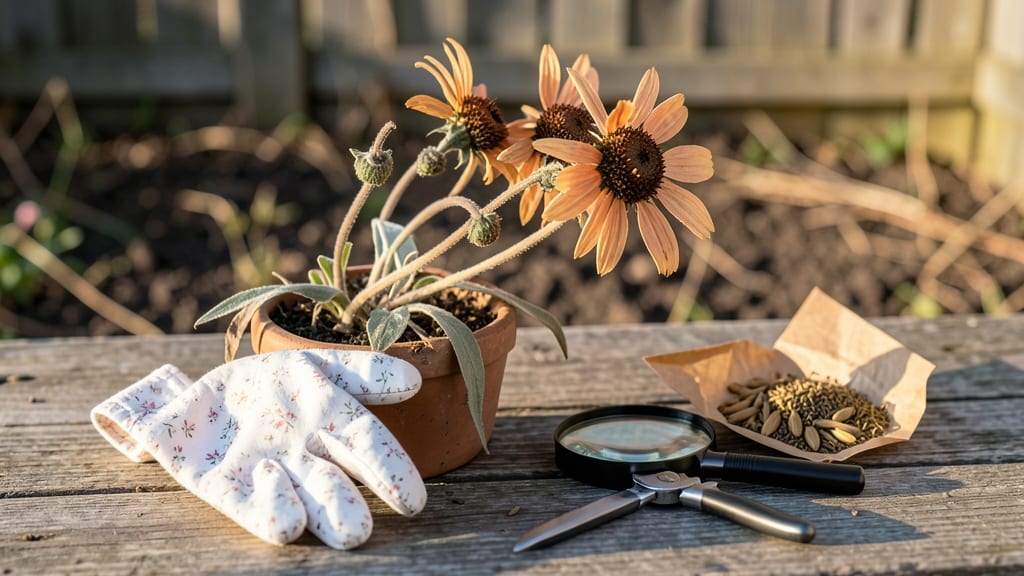
To harvest strawflower seeds, wait until the flower heads turn completely brown and dry—then shake them gently to release the seeds before they scatter.
Strawflowers (Helichrysum bracteatum) are prized for their long-lasting blooms, but their real gardening gold lies in the seeds—easy to harvest once you know the right timing and techniques.
Miss the window, and you’ll either end up with seeds that won’t germinate or watch them blow away before you can collect them. The key is catching them at the perfect moment when the heads are dry but haven’t split open yet.
Below, I’ll walk you through exactly how to spot ready-to-harvest seed heads, the tools you’ll need, and the best way to store them so they stay viable for next year’s garden.

When and how to identify strawflower seed heads ready for harvesting
Harvesting strawflower seeds at the perfect moment ensures high viability and saves you from collecting half-formed seeds. The key is watching for visual and tactile cues that signal maturity. When you spot these signs, you'll know it's time to act before the seed heads release their contents into the wind.
Start by examining the flower petals. At maturity, they transform from vibrant colors to a uniform dry brown. This color change indicates the plant has redirected its energy from blooms to seed production.
The petals should feel crispy to the touch, almost papery, rather than soft or moist.
Next, check the seed head structure. Mature strawflower seed heads develop a brittle, hollow sound when gently shaken. This "pop test" is your best indicator—if seeds rattle inside, they're ready. Avoid harvesting when heads feel plump or moist, as seeds won't be fully developed.
Here's how to identify perfectly ripe strawflower seed heads with confidence:
Timing is everything with strawflower seeds. Harvest too early, and you'll collect underdeveloped seeds that won't germinate. Wait too long, and the seed heads will split open naturally, scattering seeds across your garden or yard.
I've learned this lesson the hard way—one year, I missed the window and ended up with strawflower seedlings popping up everywhere the next spring!
For best results, harvest seeds in the late afternoon when temperatures drop slightly. This helps prevent moisture absorption during collection. Use clean, sharp pruning shears to snip the entire seed head, leaving about 1 inch of stem attached. This makes handling easier and reduces the risk of dropping seeds.
After harvesting, place the seed heads in a well-ventilated area for 3-5 additional days to complete drying. Store them in paper envelopes (not plastic) in a cool, dry place until ready to plant.
Properly stored strawflower seeds remain viable for 2-3 years, making them a great addition to your seed stash.
Remember, the earlier you harvest, the higher the seed viability. But don't rush—wait until you see all four maturity signs (color change, rattle test, brittle stems, and dark seeds) before collecting. Patience now means a better seed harvest later!
Best methods for collecting strawflower seeds without losing them to wind
Once your strawflower seed heads are fully dried and ready for harvest, the next challenge is collecting them before the wind scatters them. I’ve found that timing and the right tools make all the difference in preserving those viable seeds.
The key is acting quickly but gently—strawflower seed pods release easily when mature, so a gentle approach prevents losses.
My go-to method is hand-picking with a small paper bag, but I’ve also discovered clever DIY solutions that save time and frustration. Whether you’re a beginner or a seasoned gardener, these techniques will help you maximize your seed yield without losing them to breezes or accidental drops.
| Method | Tools Needed | Best For | Ease Level |
|---|---|---|---|
| Hand-Picking | Paper bag, scissors, gloves | Small batches, precision | Beginner-friendly |
| Paper Bag Shake | Large paper bags, twine | Large plants, quick harvest | Moderate |
| DIY Seed Collector | Wire mesh, burlap sacks, scissors | Wind-prone areas, bulk harvest | Advanced |
| Scissors Snip | Sharp scissors, envelope | Indoor drying, small quantities | Easy |
For hand-picking, I recommend using a small paper bag to catch seeds as they fall. Hold the bag beneath the seed head and gently rub the dried flowers between your fingers—this releases the seeds without damaging the pods.
Work in dry, calm weather to avoid losing seeds to wind gusts, and wear gloves if your plants have thorns.
If you’re dealing with tall strawflowers or a large batch, the paper bag shake method is a game-changer. Place the dried seed heads in a large paper bag, tie it shut, and shake gently over a clean surface.
The seeds will fall into the bag while the chaff stays behind. This method is fast and works well for outdoor harvests where wind is a concern.
For gardeners in windy climates, I’ve designed a simple DIY seed collector using wire mesh and burlap sacks. Cut a section of wire mesh into a cone shape, line it with burlap, and place it over the seed heads.
As the seeds mature, they’ll fall into the sack below, protected from wind and pests. This setup is perfect for long-term seed collection and can be reused year after year.
After collecting, store your strawflower seeds in a cool, dry place in a sealed envelope or airtight container. Label the container with the harvest date and variety to track viability.
Seeds can remain viable for 2-3 years if stored properly, so keep them away from moisture and direct sunlight to prevent mold or premature germination.
With these methods, you’ll never again watch your hard-earned seeds blow away. Happy harvesting! 🌾