
How To
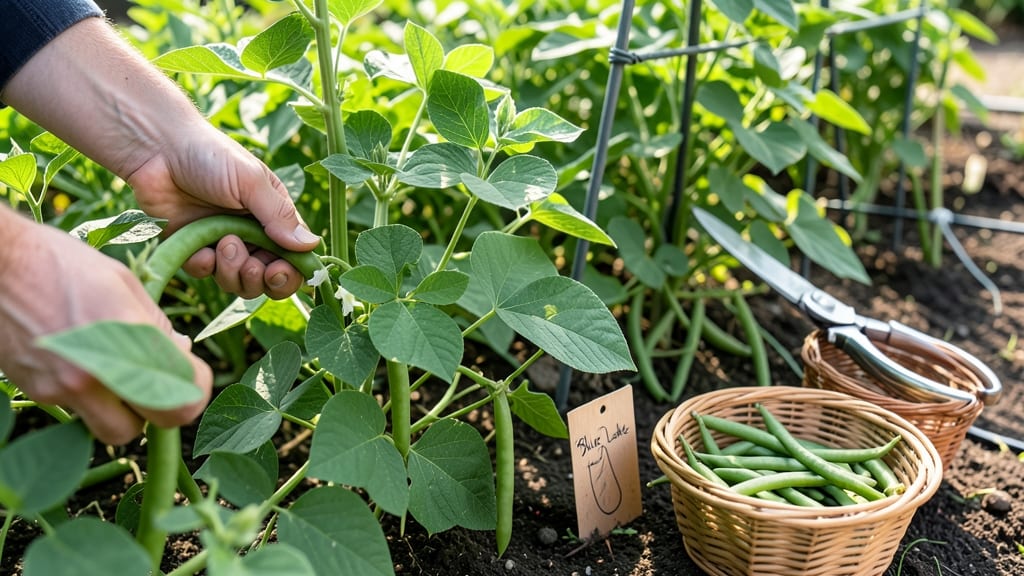
To harvest string beans at their peak flavor, you need to know the exact moment when pods are crisp, tender, and just the right size.
Picking too early means small, underdeveloped pods, while waiting too long turns them tough and woody. The difference between a bland harvest and one bursting with freshness comes down to timing—and a few simple tricks to spot the perfect pods.
In this guide, I’ll walk you through the visual cues that signal it’s time to pick, how often to harvest for maximum yield, and the best tools (or lack thereof) to make the process easier without damaging your plants.
Whether you’re a first-time gardener or a seasoned green thumb, these tips will help you keep your string beans 🌱 producing all season long—so you can enjoy homegrown flavor straight from the garden.

When to harvest string beans: pod color and texture guide
Timing your string bean harvest is everything—pick them too early, and you’ll waste flavor; too late, and they turn woody or bitter. The peak harvest window is when pods are 4-6 inches long, bright green, and crisp to the touch.
This stage delivers the sweetest flavor and keeps your plants producing more pods instead of focusing on seed maturation.
String beans are fast growers, maturing in just 50-75 days depending on the variety. But don’t let their speed fool you—daily checks after the plant starts flowering ensure you catch them at their prime.
Ignoring this window means your plants will shift energy from producing tender pods to developing hard seeds, which ruins both taste and future yield.
Here’s the visual checklist I use to decide when to harvest:
| Pod Stage | Size | Color | Texture | Flavor | Harvest? |
|---|---|---|---|---|---|
| Too Young | Under 3 inches | Pale green | Very soft | Mild, watery | ❌ No |
| Ideal Harvest | 4-6 inches | Bright green | Firm, crisp | Sweet, tender | ✅ Yes |
| Overripe | 6+ inches | Dull green/yellow | Woody, tough | Bitter, starchy | ❌ No |
| Seed Stage | 8+ inches | Dry, brown | Hard, dry | Inedible | ❌ No |
The bright green color is your first clue—dull or yellowing pods mean they’ve passed their prime. I also squeeze the pod gently between my fingers; if it snaps cleanly, it’s ready. This crispness test works better than measuring length alone, especially for bush varieties where pods mature unevenly.
Texture is just as critical as color. Overripe pods feel fibrous or woody, while underripe ones are too soft and lack sweetness. Pro tip: Run your thumb along the pod’s seam—if you feel tiny bumps (developing seeds), harvest immediately before they harden.
These seed bumps signal the plant is shifting focus from pods to seeds, which ends your harvest window.
Some varieties, like Blue Lake or Kentucky Wonder, stay sweeter when harvested every 2-3 days. Others, such as Roma or Contender, tolerate slightly longer intervals but still peak at the same 4-6 inch mark.
Pay attention to your plant’s growth rate—hotter summers speed up maturation, so check pods daily in July and August.
Harvesting at the right stage isn’t just about taste—it’s about plant health. When you remove pods, the plant redirects energy to produce more flowers and new pods instead of letting them go to seed.
This continuous harvest cycle can extend your season by 4-6 weeks compared to waiting for pods to overripe. Think of it like pruning flowers to encourage more blooms!
One mistake I see often is harvesting by memory instead of visual cues. Even if your plants look the same, pods mature at different rates based on sunlight, soil nutrients, and variety. Always check 3-5 pods daily once flowering starts.
For bush beans, focus on the outermost pods first—they’re usually the oldest. For pole beans, work your way up the vine to avoid missing hidden pods.
If you miss the ideal window, don’t despair—overripe pods can still be used for stews or soups, but they’ll never match the crunch and sweetness of freshly harvested beans. For the best results, aim to harvest 80% of your crop at the 4-6 inch stage.
This balance keeps your plants productive and your table stocked with homegrown flavor all season.
Step-by-step string bean harvesting techniques for maximum yield
Harvesting string beans at the right time isn’t just about picking pods—it’s about preserving flavor, encouraging more production, and keeping your plants healthy. The key lies in frequency, gentle handling, and recognizing when pods are at their peak.
I’ve learned that skipping just 2-3 days of harvesting can reduce flavor and yield, so timing matters more than you might think.
You don’t need fancy tools to harvest string beans effectively. A simple pair of pruning shears or even your fingers can do the job, but the real secret is knowing how to inspect pods and when to stop.
Overharvesting weakens vines, while underharvesting leads to tough, woody pods. Let’s break down the exact steps to maximize your harvest without stressing your plants.
Step 1: Inspect Pods for Readiness
Look for pods that are 4-6 inches long, bright green, and firm to the touch. Gently snap a pod—if it breaks cleanly, it’s ready. Avoid pods with visible seeds or yellowing tips.
Step 2: Harvest in the Morning
Pick beans early in the day (before 10 AM) when pods are crispest. Morning harvests also prevent wilting and ensure better storage life. Cool temperatures help preserve freshness.
Step 3: Use the Right Tools (or None)
For small patches, use your fingers or thumbs to pinch pods at the stem. For larger gardens, pruning shears (cleaned between plants) speed up the process. Never tug—this can damage vines.
Step 4: Harvest Every 2-3 Days
Consistency is critical. Check plants every 2-3 days to encourage continuous production. Busy? Set a reminder—skipping harvests leads to tough, fibrous pods and fewer future yields.
Step 5: Stop Before Overharvesting
Leave 20-30% of pods unharvested to fuel the plant. If vines look thin or leggy, reduce frequency to 4-5 days. Healthy plants produce longer, so balance is key.
Step 6: Store or Use Immediately
Store harvested beans in the fridge for 5-7 days in a perforated bag, or use them fresh. Blanching and freezing extends shelf life for up to a year—perfect for winter meals.
One of my biggest mistakes was harvesting too aggressively early in the season. I thought more picking meant bigger yields, but the plants struggled to recover. Now, I prioritize quality over quantity—picking only the best pods and letting the plant recharge. This simple shift doubled my late-season harvest!
Pro tip: If your string beans start producing yellow flowers without pods, it’s a sign of stress. Reduce harvesting for a week, increase water, and the plant will bounce back. Patience pays off in flavor and volume.