
How To
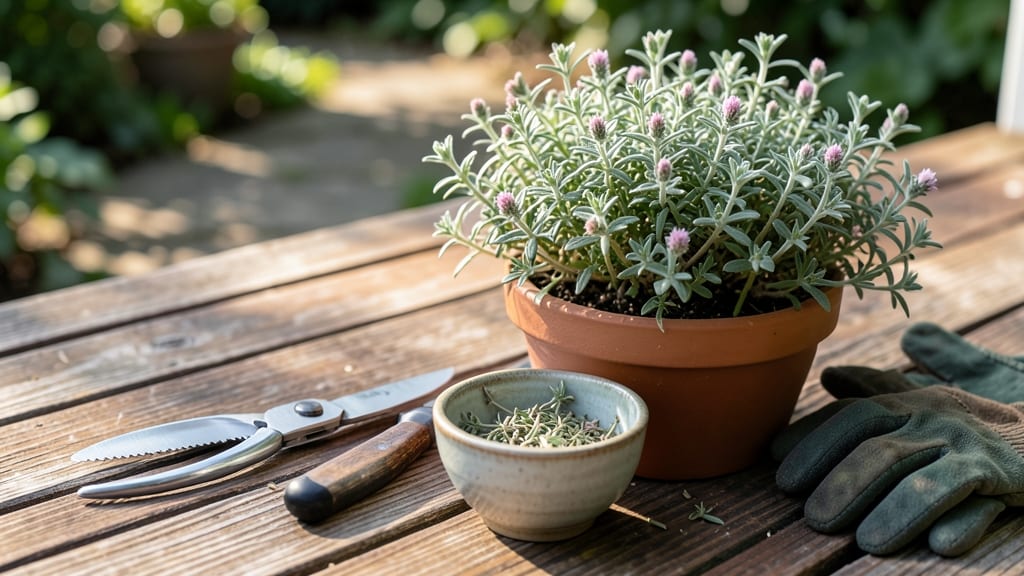
To harvest thyme at its peak flavor, wait until stems reach 3 inches—that’s when the leaves are most aromatic and the plant can handle pruning without stress.
You’ve probably snipped thyme only to find the flavor falls flat or the plant struggles to bounce back. That’s because timing and technique make all the difference—harvest too early or too late, and you miss the sweet spot where the leaves pack their boldest punch.
Thyme thrives in late spring through early fall, but the key is knowing when to cut: just before flowering for the strongest flavor, or after blooms fade if you prefer a milder taste. The right tools and method keep your plant healthy and productive for years.
In this guide, I’ll walk you through the exact steps to harvest thyme—whether you’re drying sprigs for winter soups or snipping fresh leaves for summer dishes—plus how to revive your plant if you’ve over-harvested.

When and how to harvest thyme for maximum flavor and growth
Harvesting thyme at the right time transforms your garden into a flavor factory. The 3-inch rule isn’t just a guideline—it’s the sweet spot where thyme’s essential oils peak, delivering that signature earthy aroma we all love.
When stems reach this height, the leaves are fully developed and packed with flavor, while the woody base ensures the plant stays strong for future harvests.
Timing matters just as much as technique. Thyme thrives in spring to early fall, but the best flavor comes when you harvest just before flowering. This window—typically late May through August in most climates—lets you enjoy the freshest leaves while encouraging bushier growth.
Skipping this timing can leave you with bitter stems or wasted potential.
Before you grab your shears, know that thyme is resilient but not indestructible. Over-harvesting weakens the plant, leaving it vulnerable to pests or disease.
The key is balance: never remove more than one-third of the plant in a single session, and always leave at least 3 inches of growth to sustain the roots.
⚠️ callout-warning ⚠️
⚠️ Critical Harvesting Mistakes to Avoid
Cutting too close to the base (never below 1 inch) stunts growth. Over-harvesting in hot summer months stresses the plant. Always harvest on dry mornings to prevent fungal growth.
🌱 Pro Tip: Use clean, sharp pruners to avoid crushing stems, which can lead to browning.
Start by selecting healthy stems with at least 3 inches of growth above the woody base. Use sharp pruning shears or clean scissors to cut just above a leaf node—this encourages new growth from that spot.
For culinary use, focus on the top 2-3 inches of each stem, where the leaves are most fragrant.
If you’re drying thyme for winter use, bundle 5-6 stems together and hang them upside down in a well-ventilated, dark place for 1-2 weeks. The leaves should crumble easily when dry.
For fresh use, store thyme in the fridge wrapped in a damp paper towel for up to 2 weeks, or freeze sprigs in an ice cube tray with water for easy portioning.
Thyme’s hardy nature makes it forgiving, but even perennials need care after harvesting. After each cut, water deeply to encourage root growth, and consider adding a light layer of compost to replenish nutrients. Avoid fertilizing immediately after harvesting, as this can promote soft, flavor-diluted growth.
Signs of over-harvesting include yellowing leaves, stunted growth, or a lack of new shoots. If you’ve pushed too far, don’t panic—thyme often bounces back. Trim back any woody or damaged stems, reduce watering slightly, and give the plant a month-long break to recover before resuming harvests.
For continuous harvests, space your cuts 4-6 weeks apart during the growing season. This rhythm keeps thyme lush and productive, ensuring you always have fresh sprigs on hand.
In USDA Zone 6a or warmer, thyme may even reward you with a second flush of growth in late summer if you prune lightly after the first harvest.
Remember, thyme’s flavor intensifies when harvested young. The older the plant, the more woody the stems become, so prioritize regular, light harvests over occasional heavy cuts.
With the right timing and technique, your thyme will thrive for years, gifting you with endless aromatic sprigs for cooking, crafting, or simply enjoying the garden’s natural beauty.
Thyme harvesting methods: fresh, dried, OR preserved—which works best?
Once your thyme plants hit the 3-inch harvest mark, you’ll face a choice: keep it fresh, dry it for later, or preserve it another way. Each method changes how you harvest—whether you prune selectively or snip whole sprigs.
My favorite? Air-drying bundles for winter soups, but freezing works best for retaining peak flavor when you need it fast.
Your harvesting technique depends on your goal. For fresh thyme, grab individual leaves or small sprigs, leaving the woody stems intact. If drying, cut whole stems just before flowering for the strongest aroma. Preserving? Freeze sprigs in oil or water to lock in that garden-fresh taste.
Harvesting Thyme: Techniques at a Glance
Pruning (Fresh Use)
- Pros: Encourages bushier growth
- Cons: Less efficient for bulk harvests
Cutting Whole Sprigs (Drying/Freezing)
- Pros: Faster drying, preserves aroma
- Cons: May reduce plant density if overdone
Preservation Methods
| Method | Best For | Storage Life |
|---|---|---|
| Air-Drying | Bulk storage, soups | 12+ months |
| Oven-Drying | Quick preservation | 6-12 months |
| Freezing | Fresh flavor retention | Up to 1 year |
For air-drying thyme, bundle 5-6 stems together and hang upside-down in a dark, dry place for 1-2 weeks. Remove leaves once brittle. If you’re short on time, oven-drying at 200°F (93°C) for 1-2 hours works too—just spread stems on a baking sheet first.
Freezing thyme is my secret weapon for year-round flavor. Chop sprigs finely, mix with olive oil, and freeze in ice cube trays. Pop a cube into simmering sauces or marinades for instant aroma. Store dried thyme in airtight jars away from light to prevent flavor loss.
Pro tip: Never harvest more than 1/3 of the plant at once. Thyme regrows slowly, and over-harvesting leads to woody stems and bitter leaves. Rotate harvests around the plant to keep it lush and productive all season.
Whether you’re drying, freezing, or using fresh, timing matters most. Harvest in the morning after dew dries for the strongest essential oils. Store dried thyme in a cool, dark place and freeze fresh sprigs within 48 hours of harvest for best results.