
How To
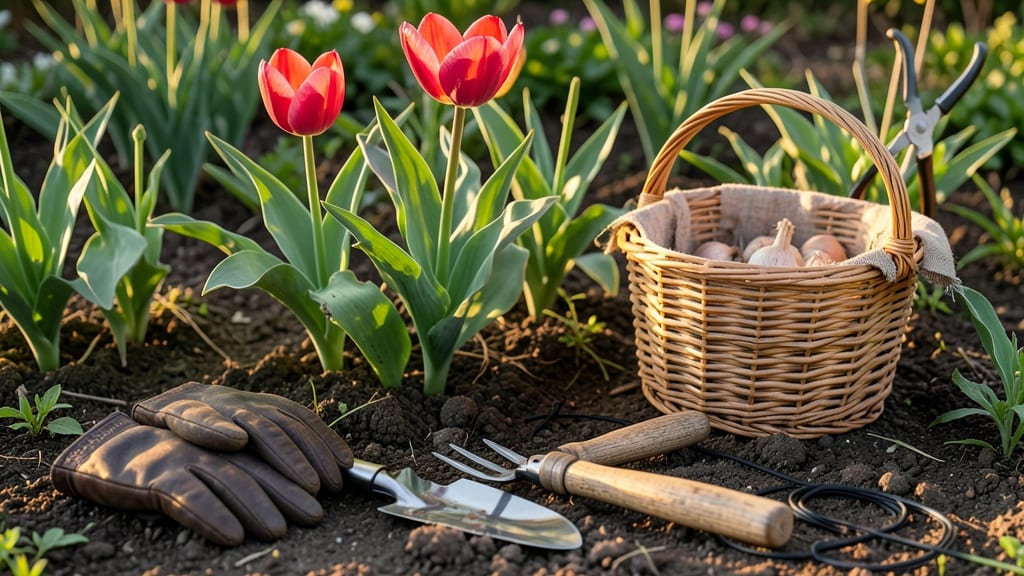
Harvesting tulips at the right time 🌷 keeps your bouquets vibrant and your bulbs thriving for years to come — and the timing is trickier than you think.
Picture this: you’ve waited months for your tulips to bloom, only to cut them too early and watch the petals droop within days. Or worse, you harvest too late and weaken the bulb, sacrificing next year’s flowers.
The difference between a stunning arrangement and a sad, wilted mess comes down to three key moments—and knowing how to handle each one.
In this guide, I’ll walk you through the exact steps to cut tulips for long-lasting bouquets, dig up bulbs for replanting, and even save seeds for future gardens.
You’ll learn when to snip (spoiler: it’s not when they’re fully open), which tools make the job easier, and how to care for your harvest so it lasts longer than a weekend.
Whether you’re a first-time gardener or a seasoned pro, these techniques will help you get the best from your tulips—without sacrificing future blooms. Let’s get started.

When to harvest tulips for maximum longevity in bouquets
Timing is everything when harvesting tulips for bouquets. Cut them too early, and you’ll sacrifice vase life—too late, and you risk weakening the bulb for next year’s blooms. The ideal window balances beauty and bulb health, typically when flowers are fully open but still firm.
Most gardeners aim to harvest tulips when 50-70% of buds have opened. This stage ensures stems are long enough for arrangements while preserving the bulb’s energy reserves. Early bloomers like Darwin Hybrid tulips may need harvesting 1-2 weeks earlier than late varieties.
Climate plays a crucial role in harvest timing. In warmer zones (USDA 8-10), tulips may bloom 2-3 weeks earlier than in cooler regions. For example, Southern California gardeners often harvest in late March, while Northern gardeners wait until mid-May.
Never harvest tulips when leaves are still green. The foliage feeds the bulb for next year’s flowers—removing it too soon starves the plant. Aim to leave leaves intact until they turn completely yellow and crispy, typically 6-8 weeks after blooming.
For container-grown tulips, harvest timing shifts slightly. Since pots dry out faster, stems may wilt quicker. Cut flowers when buds are just beginning to open (50% stage) to maximize vase life, but monitor moisture levels closely to prevent stress.
Hybrid varieties like Parrot tulips or Fringed tulips often have longer stems and require earlier harvesting. These types benefit from cutting when only 30-40% of buds are open to preserve their unique, elongated shapes in arrangements.
Morning is the best time to harvest tulips. Flowers cut in cool morning hours retain moisture longer, reducing wilting. Avoid harvesting after midday heat or during rain, as stems absorb excess water, shortening vase life dramatically.
If you’re harvesting tulips for bulb propagation, wait until foliage is completely dead (usually late June or early July). Dig bulbs carefully, cure them in a dry, shaded spot for 2 weeks, then store in a cool, dark place until replanting.
Pro tip: Use a sharp, sterilized pruner to cut stems at a 45-degree angle just above a leaf node. This technique increases water uptake, extending bouquet freshness by 3-5 days compared to straight cuts.
Step-by-step guide to cutting tulips without damaging future blooms
Cutting tulips for bouquets is an art—and timing is everything. If you harvest too early, your stems won’t last long in a vase. Cut too late, and you risk weakening the tulip bulb for next year’s blooms.
The secret lies in harvesting at the right stage with the proper technique. I’ve perfected this process over years of gardening, and today, I’ll share my foolproof method to get long-lasting stems while keeping your plants healthy.
Most gardeners make one of two mistakes: cutting tulips when they’re fully open (which drains the bulb) or waiting until the foliage is completely dead (which means the bulb has already stored its energy).
The ideal time is when the flower is half-open, with 1-2 outer petals just beginning to unfurl. This ensures your bouquet stays fresh while the bulb still has energy to regrow. Let’s dive into the exact steps to make this happen.
How to Harvest Tulips for Long-Lasting Bouquets
-
Step 1: Choose the Right Time
Harvest tulips when 1-2 outer petals are unfurling (about 50% open). Avoid cutting fully open flowers—they’ll wilt faster and drain the bulb. -
Step 2: Gather Your Tools
Use clean, sharp pruners or secateurs. A bucket of water and flower food will keep stems fresh during transport. -
Step 3: Cut at the Perfect Angle
Make a 45-degree diagonal cut about 2 inches below the flower head. This increases water uptake and extends vase life by up to 50%. -
Step 4: Remove Lower Leaves
Strip off the bottom 2-3 inches of foliage to prevent bacterial growth in the water. Leave the top leaves intact to support photosynthesis. -
Step 5: Store Stems Properly
Place cut tulips in a bucket of cool water (50-55°F) and refrigerate overnight. This rehydrates stems and can add 2-3 extra days of vase life. -
Step 6: Arrange with Flower Food
Use a commercial flower food packet or DIY mix (1 tsp sugar + 1 tsp bleach per quart of water) to keep stems fresh. Change water every 2 days for maximum longevity.
After cutting, your tulips will last 7-10 days in a vase if cared for properly. But here’s the kicker: even after harvesting, your tulip bulbs need time to recover. Never cut more than 1/3 of the stems from a single plant, or you’ll weaken the bulb for next season.
If you’re harvesting for a large bouquet, space out your cuts over 2-3 days to give the plant time to regenerate.
Troubleshooting is key—if your tulips wilt within 24 hours, you likely cut them too late. For future blooms, focus on leaving foliage intact until it turns completely yellow. This ensures the bulb stores enough energy for next year’s flowers. A little patience now means bigger, brighter tulips in spring.
Pro tip: If you’re harvesting tulips for bulb division (to replant), wait until the foliage is fully yellow and crispy. Dig up bulbs carefully, let them dry for a week, and store them in a cool, dark place until replanting in fall.
This method guarantees healthy bulbs for years to come.