
How To
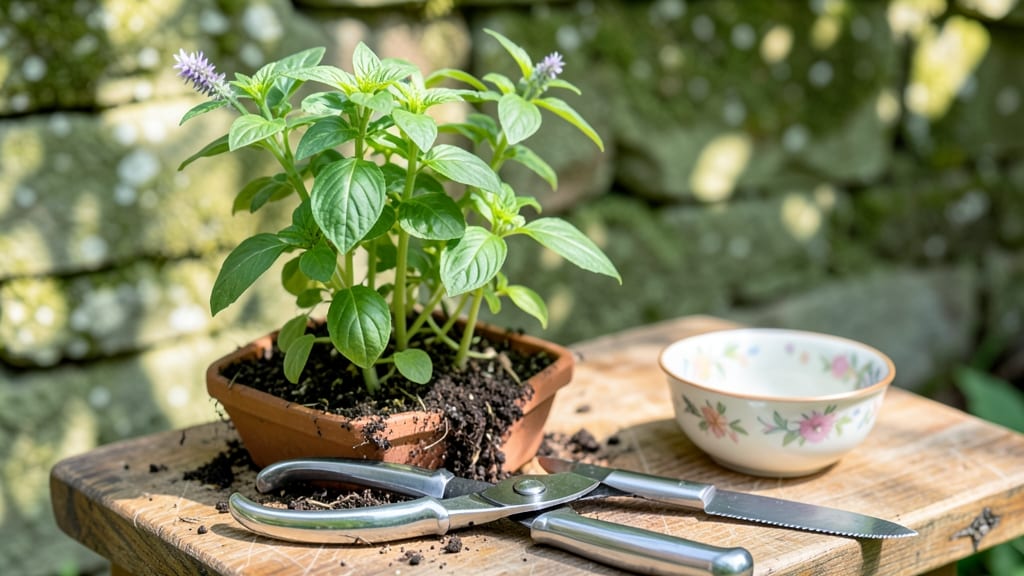
Harvesting tulsi leaves the right way keeps your plant thriving while giving you a steady supply of fresh, aromatic greens 🌿 — here’s exactly how to do it without harming your herb.
Tulsi isn’t just a sacred herb—it’s a powerhouse of health benefits, but only when harvested correctly. One wrong cut can stunt growth, while the right technique ensures your plant keeps producing lush, flavorful leaves for months.
Timing matters most: morning harvests capture the highest essential oils, and pruning just above a leaf node encourages bushier regrowth. Avoid over-harvesting—never take more than one-third of the plant at once, or you’ll stress the roots.
In this guide, I’ll walk you through the step-by-step method for leaf-by-leaf harvesting, when to stop, and how to store your fresh picks for tea, remedies, or cooking—so you never waste a single leaf.

Step-by-Step leaf harvesting technique for maximum tulsi yield
Harvesting tulsi correctly ensures your plant stays healthy and productive year-round. Unlike many herbs, tulsi thrives on regular pruning, which encourages bushier growth and higher yields. The key lies in selective harvesting—never taking more than one-third of the plant at once, and always targeting the right leaves.
Timing matters more than you’d think. Morning harvests are ideal because the essential oils in tulsi leaves are most concentrated after a night’s rest. Avoid harvesting after noon, as the leaves can become bitter and less potent.
Also, never harvest wet leaves—this invites fungal diseases like powdery mildew, which can devastate your plant.
How to Harvest Tulsi Leaves for Continuous Growth
- 🌿 Step 1: Choose Mature Leaves
Select only the largest, fully opened leaves from the outer branches. Avoid the topmost growth—this ensures the plant keeps producing new leaves. - 🪴 Step 2: Use Clean, Sharp Pruning Shears
Always use sterilized scissors or pruners to make clean cuts just above a leaf node. This prevents damage and encourages faster regrowth. - ✂️ Step 3: Harvest Selectively
Never remove entire stems—take 2-3 leaves per branch at a time. This method keeps the plant balanced and encourages bushier growth. - 💧 Step 4: Water Immediately After
Give your tulsi plant a deep watering post-harvest to stimulate regrowth. Focus on the root zone to encourage new shoots. - ☀️ Step 5: Monitor Seasonal Adjustments
In summer, harvest more frequently (every 7-10 days) due to rapid growth. In winter, reduce harvesting to once every 3-4 weeks to protect the plant.
When harvesting tulsi flowers, follow a different approach. Never remove all the flowers at once—this can stress the plant. Instead, snip individual flower clusters as they appear.
Flowers are best harvested in the morning when fully open but before they turn brown. Dried tulsi flowers make excellent additions to teas and spiritual rituals.
Pruning is your secret weapon for maximizing tulsi yield. After each harvest, trim back any leggy stems to encourage a fuller, bushier plant. Use your fingers or pruners to pinch off the topmost set of leaves—this triggers the plant to grow more side branches.
Just avoid cutting into woody stems, as this can harm the plant.
Seasonal changes demand harvesting adjustments. During spring and summer, your tulsi plant grows aggressively, so you can harvest every 5-7 days. In fall, reduce frequency to every 10-14 days as growth slows. Winter harvesting should be minimal—focus on maintaining plant health rather than yield.
One common mistake is over-harvesting young plants. If your tulsi is under 6 inches tall, wait until it’s at least 3 months old before harvesting.
Young plants need all their energy to establish roots. Never take more than 20% of the foliage from a young plant—this ensures it has enough leaves to photosynthesize and grow.
For potted tulsi, harvesting is slightly different. Since pots have limited root space, prune more lightly and frequently. After each harvest, rotate the pot to ensure even sunlight exposure. This prevents the plant from growing lopsided and maximizes leaf production.
Store harvested tulsi leaves properly to preserve their aroma and medicinal properties. For short-term use, wrap leaves in a damp paper towel and store in the fridge for up to 5 days.
For long-term storage, dry leaves in a well-ventilated, dark place or use a dehydrator on low heat.
With these techniques, your tulsi plant will thrive, producing abundant, flavorful leaves all season long. The key is patience and consistency—harvest wisely, and your plant will reward you with a continuous supply of fresh tulsi for years to come. 🌱
Best times and methods to harvest tulsi without killing the plant
Harvesting tulsi at the right time ensures you get the most aromatic, potent leaves while keeping your plant healthy. The morning hours (before 10 AM) are ideal because the essential oils are most concentrated.
This timing also gives your plant the entire day to recover and regrow. Avoid harvesting in the evening, as damp leaves can attract pests and slow recovery.
When harvesting, focus on the outer leaves first—they’re fully mature and won’t stunt the plant’s growth. Always leave the inner, younger leaves intact so the plant can continue producing. This leaf-by-leaf method encourages bushier growth and a longer harvest season.
If you’re new to tulsi care, start with just a few leaves per harvest to avoid overstressing the plant.
⚠️ callout-warning ⚠️
- Never take more than 1/3 of the plant’s leaves at once.
- Avoid cutting stems—always pinch leaves by hand.
- Stop harvesting if leaves turn yellow or growth slows.
Tulsi recovers slowly from aggressive pruning. Let it rest for 2-3 weeks after heavy harvests to regenerate.
For continuous harvests, aim to pick leaves every 2-3 weeks during the growing season (spring to early fall). In winter months, reduce harvesting to once a month, as growth slows.
Prune any flowering stems immediately—they drain energy from leaf production. Use clean, sharp pruning shears or simply pinch leaves with your fingers to avoid damaging the plant.
After harvesting, rinse the leaves gently under cool water to remove dust but avoid soaking them. Pat dry with a paper towel or let them air-dry in a shaded area. Storing harvested tulsi properly (like in the fridge for 3-5 days) preserves its potency.
For long-term use, dry the leaves in a well-ventilated, dark place for 3-5 days before storing in an airtight container.
Watch for signs of stress like wilting or stunted growth—these mean you’re harvesting too much. A healthy tulsi plant should bounce back within 1-2 weeks of a light harvest.
If you notice yellowing leaves or bare stems, cut back on frequency and focus on root care, like ensuring well-draining soil and consistent watering.
With the right approach, your tulsi plant can thrive for years, providing a steady supply of fresh leaves. Start small, observe its response, and adjust your harvesting schedule accordingly. Your patience will be rewarded with a lush, productive plant that keeps giving! 🌿