
How To
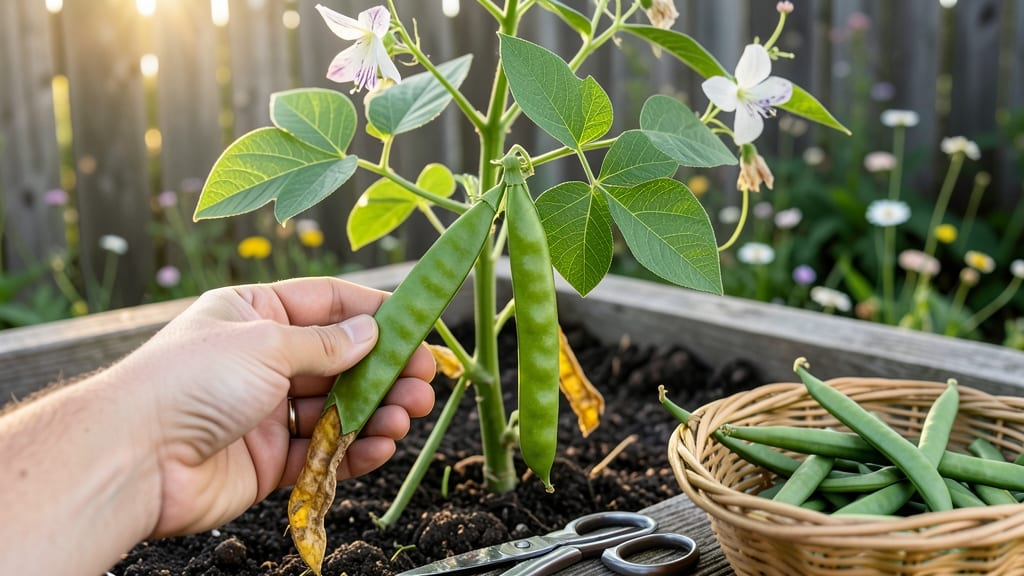
Knowing when to harvest green beans is all about timing—wait too long, and you lose that crisp, tender snap you love in your meals.
Picking green beans at the wrong time means sacrificing crispness, flavor, and even yield—yet most gardeners struggle to recognize the perfect moment. The key? A simple snap test and a quick seed check can tell you exactly when your 🌱 green beans are ready to pick.
In USDA Zone 6a, where planting happens in April and harvests run from July to September, temperature plays a role too. Warmer days can speed up ripening, so you’ll need to check your plants more often.
Below, I’ll walk you through the foolproof signs—from pod size to color and texture—to ensure you harvest your green beans at their peak. You’ll also learn how to store them properly so they stay fresh longer.


The ultimate green bean harvest checklist: snap test, size & seed guide
Harvesting green beans at the perfect moment transforms your garden into a crisp, flavorful bounty—but timing is everything. Overripe pods turn tough and woody, while underripe beans lack sweetness.
The key lies in three simple checks: pod size, seed visibility, and the legendary snap test. Master these, and you’ll never miss peak harvest again.
Most gardeners wait too long, assuming bigger means better. But green beans stop maturing once they reach 4-6 inches long. After that, they’ll only toughen. Even worse, letting beans overmature on the vine diverts energy from producing new pods, shrinking your total yield.
Let’s break down the visual and tactile cues that guarantee perfect harvests every time.
| Check Type | Ready Signs | Not Ready Signs | Action |
|---|---|---|---|
| Pod Size | 4-6 inches long | Shorter than 3 inches | Harvest immediately |
| Snap Test | Clean break with slight resistance | Bends without snapping or feels mushy | Harvest if firm, wait if too soft |
| Seed Visibility | Seeds tiny, barely visible | Seeds large and dark | Harvest now before overripe |
| Pod Color | Bright, uniform green | Dull, yellowing, or spotted | Harvest if still green, discard spotted |
| Texture | Firm but tender | Leathery or fibrous | Harvest firm pods only |
Start with the snap test, the gold standard for green bean ripeness. Pinch a pod between your thumb and forefinger and gently bend it. If it snaps cleanly with slight resistance, it’s perfect. No snap? Wait a day or two.
Too mushy? You’ve missed the window—those beans will only get worse. This test works for bush beans and pole beans alike, though pole varieties often need checking more frequently due to their continuous growth.
Next, measure pod length against your thumb. A fully ripe green bean should span from your thumb knuckle to your first finger joint (about 4-6 inches). Use a ruler for precision if you’re unsure. Blue Lake and Kentucky Wonder varieties are classic examples that hit this sweet spot.
Remember: once pods exceed 6 inches, they’ll start developing hard seed coats, making them tough and unappetizing.
Peek inside the pod to check seed development. Hold a pod up to the light—if the seeds are tiny specks (barely visible), harvest immediately. Visible seeds mean the bean is past its prime.
For dried beans, you’d wait until seeds fill the pod, but for fresh eating, this is a clear "don’t wait" signal. Pro tip: Use a flashlight in a dark room for better visibility if your garden is shady.
Color matters too. Uniform bright green pods are ideal, while yellowing or spotted pods signal overripeness or disease. Some heirloom varieties like Romano beans stay green longer, but even they’ll develop a dull hue when overripe.
If you notice white or brown streaks, harvest those pods immediately—they’re on the fast track to spoilage. Discard any with
Common harvest mistakes that ruin green bean flavor & texture
Harvesting green beans at the wrong stage can turn your crisp, sweet pods into tough, stringy disappointments. The most common mistake is waiting too long—once beans reach 7+ inches or develop large seeds, their texture becomes woody and flavor fades.
I’ve seen gardeners lose entire harvests this way, especially with bush beans that mature faster than pole varieties.
On the flip side, harvesting too early stunts plant growth and reduces overall yield. If you pick beans when they’re under 3 inches, the plant diverts energy to producing more pods instead of letting them mature properly.
This leads to smaller harvests later in the season and can even delay flowering for next year’s crop.
Overcrowding is another silent flavor killer. When green beans grow too close together, they compete for nutrients and sunlight, leading to uneven ripening and increased susceptibility to diseases like powdery mildew.
I once had a 50% yield loss in my bush beans because I didn’t thin them early enough—now I space them 4-6 inches apart at planting.
Here’s the critical mistake most gardeners overlook: harvesting at the wrong time of day. Picking beans in the midday heat causes them to wilt faster, while harvesting in the evening can trap moisture, promoting mold. Early morning is ideal—beans are cool, crisp, and ready for storage or cooking.
⚠️ How to Know When to Harvest (Without Ruining Your Crop)
Do this: Check for 4-6 inch pods with a slight snap when bent. Seeds should be tiny and barely visible through the pod skin.
Avoid this: Harvesting when pods are hard or yellowing—this means you’ve missed the window. Also, never pick beans after a heavy rain; wait until leaves dry to prevent disease spread.
Disease spread is a sneaky harvest saboteur. If you leave diseased pods on the plant, fungal spores spread to healthy beans, turning your entire harvest into a mushy mess.
Always remove any pods showing spots, yellowing, or wilting immediately—don’t wait for "perfect" conditions. I’ve saved multiple seasons by pruning out infected plants and sterilizing my shears with rubbing alcohol.
To extend your harvest season, try these pro tips: Succession plant every 2 weeks for a continuous supply, and use row covers to protect beans from early frost.
I’ve had beans ready for harvest well into October by starting my last batch in late July—just be sure to choose cold-hardy varieties like 'Blue Lake' or 'Kentucky Wonder.'
Remember, green beans are at their peak when they’re crisp, tender, and full of flavor. With these tricks, you’ll avoid the most common harvest blunders and enjoy a bounty of homegrown perfection all season long. 🌱