
Vegetables
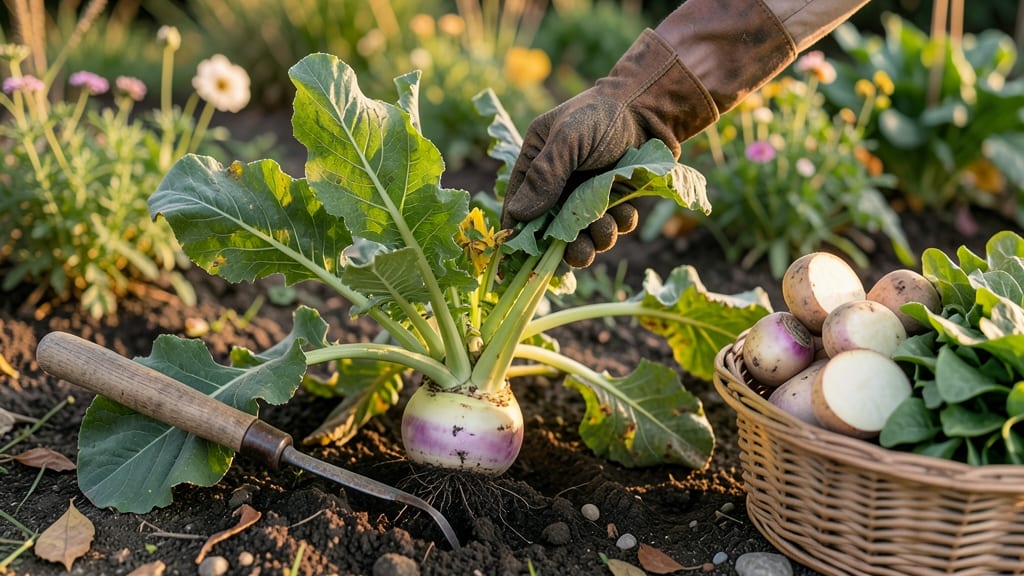
Harvesting turnips at the right time means pulling them when they’re sweetest and crispest—not a moment too soon or too late.
Timing your turnip harvest perfectly can mean the difference between a bountiful harvest and wasted effort—especially when soil temperature plays a hidden role in determining the best digging window.
Turnips 🥬 thrive in cool weather, so knowing when to dig (based on root size, leaf color, and season) keeps them tender and flavorful. Miss the window, and you risk tough, bitter roots or bolted greens.
Below, I’ll show you exactly how to read your plants, adjust for spring vs. fall harvests, and store leftovers without spoilage—so you never dig too early (or too late) again.

How soil temperature determines optimal turnip harvest time
Turnips thrive in cool weather, but most gardeners overlook how soil temperature directly impacts harvest timing. When roots develop in soil below 50°F, they grow tender and sweet.
However, let temperatures dip below 40°F, and you risk stunted growth or woody textures. This delicate balance explains why precision matters more than just checking days-to-maturity.
Understanding this science helps you avoid two common pitfalls: harvesting too early (small, underdeveloped roots) or too late (bitter, fibrous roots). The key lies in monitoring soil—not air—temperature, which can vary dramatically even in the same garden bed.
A simple soil thermometer ($10 at garden centers) becomes your most valuable tool for pinpointing the perfect harvest window.
| Soil Temp (°F) Range | Harvest Window | Root Quality | Risks |
|---|---|---|---|
| Below 40°F | Avoid | Woody, pithy | Stunted growth, bolting |
| 40-50°F | Ideal | Tender, sweet | None |
| 50-60°F | Possible | Firm, slightly bitter | Bolting risk |
| Above 60°F | Harvest greens only | Roots become pithy | Plant bolts |
For spring-planted turnips, aim to harvest when soil temperatures consistently stay between 40-50°F during the day. In my Zone 6a garden, this typically falls between late April and early May.
Take readings at 10 AM and 4 PM—these times reveal the true stress points for your plants. Morning temperatures often underestimate the heat your roots experience by afternoon.
Fall turnips follow the same rule but in reverse. Plant succession crops every 2-3 weeks starting in August to ensure each batch reaches harvestable size before soil temperatures drop below 40°F.
In my experience, late September plantings often yield the sweetest roots because they mature during the crisp 50°F window of early October.
Pro tip: If your soil thermometer reads 55°F or higher during peak growth, prioritize harvesting the greens first. The leaves remain edible even when roots become tough. This strategy extends your harvest window by 2-3 weeks while preventing complete crop loss.
Never dig turnips from frozen soil—the roots will crack or break at the crown. Instead, wait until the soil thaws to at least 45°F before harvesting. I learned this lesson the hard way when my Purple Top White Globe turnips shattered into unusable chunks after a late-March frost.
A quick soil check with my thermometer would have saved the harvest.
To maximize flavor, harvest on overcast days when soil stays cooler. The sulfur compounds that give turnips their sharp bite break down in cooler temperatures, resulting in milder, sweeter roots. This is why my fall harvests always taste better than spring ones—cooler nights preserve that delicate balance.
For container growers, soil temperature drops 5-10°F faster than in-ground beds. Monitor pots daily and use black plastic mulch to retain heat if your thermometer dips below 40°F.
I’ve seen container turnips bolt prematurely when nighttime soil temps fell to 38°F—a problem easily avoided with a simple mulch layer.
Remember: The 40-50°F range isn’t just a guideline—it’s the sweet spot where turnips develop their signature tender texture. When you master this temperature window, you’ll transform from a gardener who "gets lucky" with turnips to one who consistently harvests perfectly sized, flavorful roots every season. 🥬
Step-by-step guide to zero-waste turnip digging by season
Turnips thrive in cool weather, which means your harvest timing depends heavily on whether you planted them in spring or fall. Each season offers unique challenges—and opportunities—to maximize your yield while minimizing waste.
The key? Knowing exactly when to pull roots versus harvesting greens, and how to store what you don’t use immediately.
Spring-planted turnips should be ready for harvest when soil temperatures hover between 40-50°F, typically 45-60 days after sowing. Fall turnips, on the other hand, mature faster in cooler autumn air, often ready in just 30-40 days.
Missing this window risks woody roots or bitter greens, so let’s break down the exact steps to avoid waste.
🌱 Spring Turnip Harvest (May-June)
- 📅 Check soil temps with a thermometer—ideal harvest range is 45-50°F.
- 🥬 Harvest greens first when leaves reach 6-8 inches tall (cut outer leaves to encourage root growth).
- 🔍 Test root maturity by gently tugging—roots should pull easily when 1-2 inches wide.
- ✂️ Use a fork to loosen soil around roots before lifting to avoid damage.
- 🌿 Save small roots for salads; larger ones store better for roasting.
🍂 Fall Turnip Harvest (October-November)
- 📅 Harvest before first frost—roots left in cold soil turn pithy and lose flavor.
- 🌱 Prioritize roots over greens in fall; greens bolt quickly in cooler weather.
- 🥬 Dig when roots reach golf-ball size (1-2 inches) for peak sweetness.
- 🧊 Cure roots for 1 hour in shade before storing to toughen skins and prevent rot.
- 🗑️ Compost damaged roots immediately to avoid attracting pests.
After harvesting, store turnip roots in a cool, dark place (like a root cellar or fridge) where temperatures stay between 32-40°F. Wrap them in damp sand or paper towels to retain moisture, and they’ll last 2-3 months.
For greens, trim stems and store in airtight containers with a damp paper towel—they’ll stay crisp for 5-7 days in the fridge.
If you find yourself with more turnips than you can use, blanch and freeze the roots whole or chop them into rounds. For greens, blanch for 1-2 minutes before freezing in ice cube trays. This preserves nutrients and flavor for later use, ensuring zero waste from your harvest.
Pro tip: Succession plant turnips every 2 weeks in spring and fall to stagger harvests. This way, you’ll always have fresh turnips ready while minimizing waste from overproduction.