
Vegetables
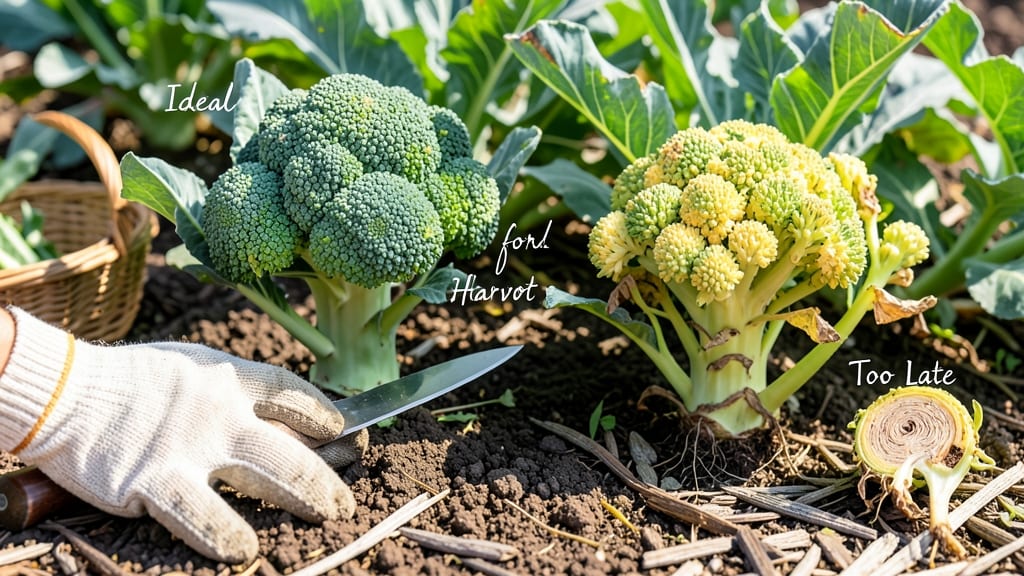
Harvesting broccoli 🥦 too late turns your crisp, flavorful heads into tough, bitter stalks—wasting all your hard work in the garden.
You’ve nurtured your plants for weeks, only to wonder if those last few days of growth will ruin the flavor or leave you with a sad, woody harvest. The truth? There’s a clear window to pick broccoli before it’s too late, and missing it means sacrificing both taste and texture.
In Zone 6a, where spring broccoli thrives, the ideal harvest time is between May and June, but knowing the exact signs of overmaturity is the key to locking in peak freshness.
A few days too late, and your broccoli shifts from sweet and tender to bitter and stringy—leaving you with regret instead of a homegrown feast.
Below, I’ll walk you through the visual cues that signal it’s time to harvest, how to extend your broccoli’s prime, and what happens if you wait just a little too long. By the end, you’ll know exactly when to snip for the best flavor—and when to let the plant rest.

Key signs your broccoli is overripe and past its prime
Knowing when broccoli is overripe can save you from harvesting bitter, woody heads that ruin your garden's bounty. The difference between perfectly ripe and overmature broccoli lies in subtle visual cues most gardeners miss.
I’ve learned the hard way—once I picked a head that tasted like cardboard because I ignored these warning signs.
Your broccoli’s floret tightness is the first clue. When florets start spreading apart, it’s a clear signal to harvest before they turn yellow and bitter. Even worse, yellowing leaves at the base mean the plant is diverting energy to seed production, not your edible head.
These changes happen faster than you think—sometimes within 2-3 days of ideal harvest time.
Here’s the key comparison you need to spot overripe broccoli before it’s too late:
| Sign | Ideal Broccoli | Overripe Broccoli |
|---|---|---|
| Floret Appearance | Tight, compact florets | Spread apart, yellowing florets |
| Stem Firmness | Thick, sturdy stalks | Woody, hollow stems |
| Leaf Color | Dark green, healthy leaves | Yellowing or wilted leaves |
| Head Size | 4-8 inches in diameter | Larger but loose, bitter |
| Flavor Impact | Sweet, crisp, nutty | Bitter, tough, fibrous |
A hard stem is another red flag. When you press your thumb into the stalk and feel resistance instead of a slight give, your broccoli has passed its prime. This happens because the plant shifts energy from growth to seed production.
I once let a head sit too long, and when I finally cut it, the stem snapped like dry kindling—that’s overripe broccoli for you.
Don’t overlook the flower buds either. Tiny yellow flowers peeking from the florets mean your broccoli is bolting, a sure sign it’s too late. These flowers signal the plant’s shift from producing edible heads to seeds.
Once this happens, the flavor becomes bitter and unpleasant, and the texture turns rubbery. Even if you harvest it, you’ll regret it.
Your harvest timing also affects how long you can wait. In cooler climates (USDA zones 3-5), broccoli matures slower, giving you a 5-7 day grace period before overripening. But in warmer zones (6-10), the window shrinks to just 2-3 days.
Check your local frost dates—spring broccoli in zone 6a (like mine) needs harvesting by early June, or it’s game over.
If you’re unsure, cut a test floret from the head. A crisp, sweet bite means it’s ready. A tough, bitter taste? Too late. This simple trick saved my last harvest when I saw the florets starting to loosen. I picked it that day, and the flavor was perfect—no regrets!
Overripe broccoli doesn’t just taste bad—it loses nutritional value too. The vitamin C and antioxidants peak at harvest and decline rapidly as the head ages. So, when you see those yellowing florets or wilted leaves, grab your pruners or knife and harvest immediately.
Your taste buds (and your body) will thank you.
Pro tip: Harvest in the morning when temperatures are coolest. This ensures you’re getting the freshest, crispest broccoli possible. I’ve found that morning harvests stay fresher longer, even if I can’t cook them right away. It’s a small habit that makes a big difference in flavor and texture.
How to extend your broccoli harvest season before it’s too late
Broccoli plants don’t always follow our schedules, and missing the perfect harvest window can mean tough, bitter heads instead of crisp, flavorful crowns. The good news? With a few smart techniques, you can delay overripening and extend your harvest by weeks—even months.
I’ve learned that staggered planting, strategic cutting, and proper care can turn a single harvest into multiple yields from the same plant.
First, let’s address the biggest mistake gardeners make: waiting until the main head is fully formed before harvesting. By then, your plant has already shifted its energy toward side shoots. Instead, focus on harvesting early and encouraging regrowth.
This approach maximizes your yield and keeps your broccoli tasting fresh longer. The key is to act before the florets start yellowing or the stems become woody.
🌱 When Is It Too Late to Harvest Broccoli?
- 1 Yellowing florets: If even a few florets turn yellow, the entire head is past its prime. Bitterness peaks within 24 hours of yellowing.
- 2 Woody stems: When the stalk feels hard like a tree branch, the texture is ruined. Harvest before stems exceed 1-inch diameter.
- 3 Blooming flowers: Once tiny yellow flowers appear, the head is 3-5 days past its ideal harvest window. The plant redirects energy to seed production.
- 4 Leaf dieback: Brown or wilted leaves signal stress. Harvest immediately if 50%+ of leaves show signs of decline.
Pro Tip: Use a sharp knife to cut stems at a 45-degree angle—this prevents water from pooling and speeds regrowth.
Once you’ve identified the signs of overripening, focus on staggered planting to create a continuous harvest. Plant broccoli in two batches: the first 4-6 weeks before your last frost, and the second 8-10 weeks before the first frost.
This ensures you’re always harvesting fresh heads while the previous batch is still producing side shoots. For example, in Zone 6a, I plant my first batch in early March and the second in late August to enjoy harvests through May and November.
After harvesting the main head, don’t toss the plant! Broccoli is a cut-and-come-again crop. Within 2-3 weeks, you’ll see 3-5 side shoots forming along the stem. These smaller heads are just as flavorful and often more tender.
To encourage regrowth, remove the main head just above the lowest set of leaves and keep the plant well-watered. I’ve had plants produce 3-4 harvests in a single season using this method.
Watering plays a critical role in extending your harvest. Broccoli needs 1-2 inches of water weekly, but deep, infrequent watering is better than shallow daily doses. Water at the base of the plant in the morning to reduce fungal risks and ensure roots absorb moisture efficiently.
During hot spells, I increase watering to every 2-3 days and mulch with straw to retain soil moisture. Proper hydration keeps stems crisp and side shoots productive.
Finally, don’t forget about fertilizer timing. A balanced 10-10-10 NPK fertilizer applied every 4-6 weeks during the growing season promotes robust side shoot growth. I avoid heavy fertilizing after the main head forms, as excess nitrogen can lead to leafy growth at the expense of florets.
Instead, focus on compost-rich soil and a light top dressing of fertilizer when side shoots appear.
With these techniques, you can turn a single broccoli plant into a multi-harvest powerhouse. The secret is acting early, encouraging regrowth, and giving your plants the care they need to keep producing. Before you know it, you’ll have a steady supply of fresh broccoli—no bitterness in sight! 🥦