
How To
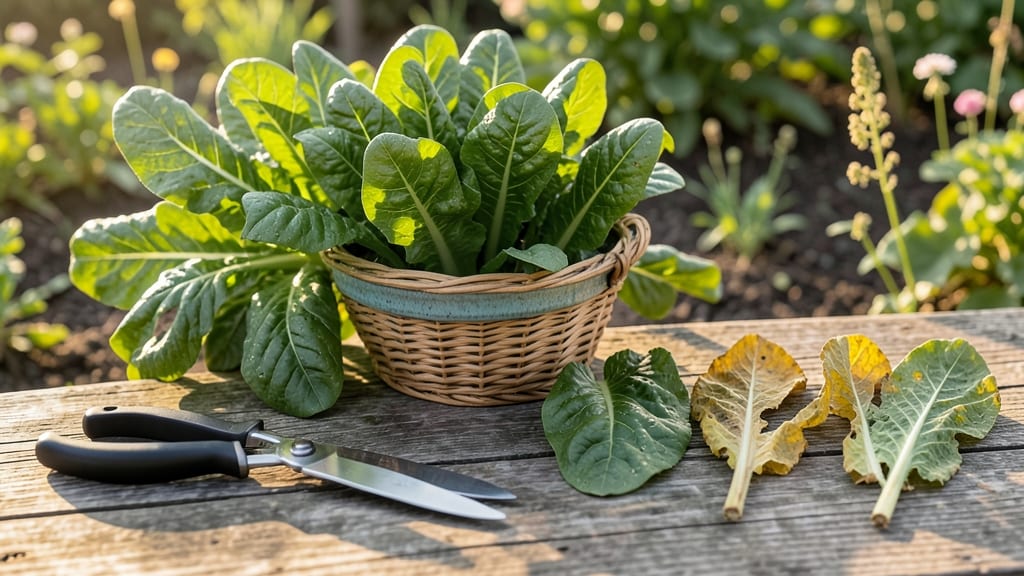
Harvesting romaine lettuce 🥬 too late turns crisp, sweet leaves into bitter, tough stalks—so timing is everything before the heat or bolting ruins your crop.
If you’ve ever bitten into romaine lettuce that tastes bitter instead of crisp and fresh, you’ve likely missed the perfect harvest window—leaving you wondering if it’s too late to save your crop.
The key is catching it before 60 days (or when leaves hit 12 inches) and recognizing the 3 telltale signs of overmaturity: flower stalks, yellowing edges, and a woody stem.
Below, I’ll walk you through the exact leaf tests to check ripeness, how heat stress speeds up bolting, and even how to salvage overripe lettuce before it’s too late.

5 Clear signs your romaine lettuce is past the harvest window
Romaine lettuce is one of those crops where timing is everything. Harvest too early, and you get tiny, underdeveloped leaves. Wait too long, and you're left with bitter, tough, or bolted lettuce that's barely edible. The challenge?
Spotting those subtle cues that signal it's past its prime before the quality plummets. I've made this mistake more times than I'd like to admit—so let me save you the heartache by sharing the 5 unmistakable signs your romaine has outstayed its welcome.
First, let's address the elephant in the garden: bolting. When romaine bolts, it sends up a tall, flower stalk in the center, signaling it's shifting its energy from leaf production to seed creation. This is a major red flag because bolted lettuce becomes extremely bitter and fibrous.
But bolting isn't the only indicator—sometimes the decline is more subtle, creeping in as the leaves toughen or yellow at the edges. These visual and textural changes often go unnoticed until you're already regretting that first bite.
Here's the kicker: even if your romaine looks deceptively healthy on the outside, internal changes might have already made it inedible. The key is learning to read the subtle but critical differences between "almost ready" and "too late."
For example, a leaf that feels slightly crisp is perfect, but one that's leathery or rubbery is past its peak. And that deep green color you love? It can turn yellow-green or even reddish when the lettuce is overmature.
Don't panic if you spot one or two of these signs—sometimes you can still salvage a few leaves. But if multiple indicators appear together, it's time to either harvest what's left or repurpose the crop before it becomes completely unusable.
The good news? Knowing these signs means you'll never again wonder, "Is my romaine lettuce still good?" Let's dive into the specific cues that will give you the confidence to harvest at the perfect moment.
⚠️ When Is It Too Late to Harvest Romaine Lettuce?
Your romaine lettuce is past the harvest window when you observe 3 or more of these signs simultaneously. At this point, the lettuce will be bitter, tough, and often bolted, making it unsuitable for fresh eating. Here's what to watch for:
- 🌱 Bolting: Tall flower stalk emerging from the center (5+ inches)
- 🥬 Leaf Texture: Leaves feel leathery or rubbery instead of crisp
- 💧 Bitterness: Strong bitter taste when you sample a leaf
- 🌡️ Color Changes: Yellowing at leaf edges or reddish hues
- ✂️ Stem Toughness: Core stem is hard and woody when snapped
Pro Tip: If you see bolting combined with bitterness, harvest immediately—even the outer leaves may be compromised.
Let's start with the most obvious (but often overlooked) sign: bolting. When your romaine sends up a tall, flower stalk from the center, it's a clear signal that the plant has shifted its priorities.
This stalk can grow several inches per day in warm conditions, and by the time it's 5 inches tall or more, the lettuce is already developing bitterness. The good news?
You can still harvest the outer leaves before they're fully affected, but the inner leaves will likely be too tough and bitter to enjoy raw.
Next up is the texture test, which is where many gardeners go wrong. Fresh romaine should feel crisp and slightly firm when you gently squeeze it. If it feels leathery, rubbery, or almost waxy, that's your cue to harvest what's left.
Think of it like comparing a fresh celery stalk to one that's been sitting in the crisper drawer for a week—the difference is that dramatic. I once kept my romaine in the garden "just a little longer," only to discover it had developed this unmistakable tough texture. Lesson learned!
Here's a sign that catches people off guard: color changes. While fresh romaine is a vibrant deep green, overripe lettuce often develops yellowing at the leaf edges or even reddish or purplish hues.
These color shifts indicate the plant is stressed or senescing, and the flavor will follow suit. Pay special attention to the older, inner leaves—they're the first to show these signs. If you notice more than 20% of the leaves showing these color changes, it's time to act.
Another subtle but critical indicator is the stem snap test. When romaine is at its peak, the core stem should snap cleanly with a slight resistance. If the stem bends without snapping or feels hard and woody, that's a sign the plant has matured past its prime.
This toughness isn't just unpleasant to eat—it's also a sign the nutritional quality has declined. I recommend testing this on the thickest stem near the base for the most accurate reading.
The final giveaway is bitterness, which is often the last sign people notice—but it's the most critical. Even if your lettuce looks fine, take a small leaf, tear it in half, and taste it. If you detect even a hint of bitterness, that's your warning.
Bitterness develops as the lettuce produces more lactucin, a compound that increases with age and stress. Once this happens, the entire head will likely follow suit within 24-48 hours. Trust your taste buds—they're your best tool for catching this sign early.
So what do you do if you've missed the window? Don't despair—there are still ways to salvage your crop or turn this "failure" into a learning opportunity. For example, bolted romaine can still be used in cooked dishes where bitterness is less noticeable.
Or, if the plant is completely spent, you can compost it to enrich your soil for future harvests. The key is acting before the plant becomes completely unusable, which is why knowing these signs is so valuable.
Remember, the goal is to harvest romaine when it's at its peak freshness and tenderness. By mastering these 5 clear signs, you'll never again find yourself wondering if your lettuce is still good—or worse, tossing out perfectly good (but slightly overripe) leaves.
Next time, you'll know exactly when to pick, ensuring your romaine stays crisp, sweet, and full of flavor every time. Happy harvesting!
3 Simple leaf tests to check romaine lettuce ripeness before harvest
Before you harvest your romaine lettuce 🥬, perform these 3 quick tests to ensure peak freshness. Skipping these simple checks often leads to bitter, tough leaves that ruin salads. The earlier you catch overmaturity, the better your harvest—and your meals!
Romaine lettuce reaches its ideal harvest window between 45-60 days, but heat stress or neglect can push it past prime faster. These tests help you determine if your lettuce is still crisp and sweet or already on its way to becoming woody and bitter.
When Is It Too Late to Harvest Romaine Lettuce?
- 🌡️ Heat Stress: Temps above 80°F trigger bolting in 7-10 days.
- 🌱 Flower Stalks: Visible stems = 2-3 days until bitter.
- 💧 Overwatering: Yellowing edges signal root rot in 5-7 days.
- ⏳ Age: Past 60 days = bitterness guaranteed.
- 🌿 Texture: Leaves feel leathery? Harvest now or compost.
Start with the taste test, the most direct way to gauge ripeness. Snip a small outer leaf and take a bite—crisp, sweet, and mild means it’s ready. If you detect even a hint of bitterness, harvest immediately or your entire head will spoil within 24 hours.
Next, check the leaf texture. Run your thumb along the edge of a leaf—it should feel smooth and slightly waxy. Rough or fibrous edges mean the lettuce has overmatured, and harvesting won’t reverse the damage. This test is especially critical in hot climates, where romaine bolts faster.
The final test is the stem snap. Gently bend the main stem near the base—it should bend slightly but not break. If it snaps cleanly or feels hollow, your lettuce is past its prime.
This indicates the plant has redirected energy to seed production, leaving the leaves tough and bitter.
Use these tests every 2-3 days during peak harvest season (spring/fall) to maximize your yield. If you miss the window, don’t toss the whole head—repurpose it! Chop overripe leaves into soups or compost them to enrich your soil for next year’s crop. 🌱