
Pests and Diseases
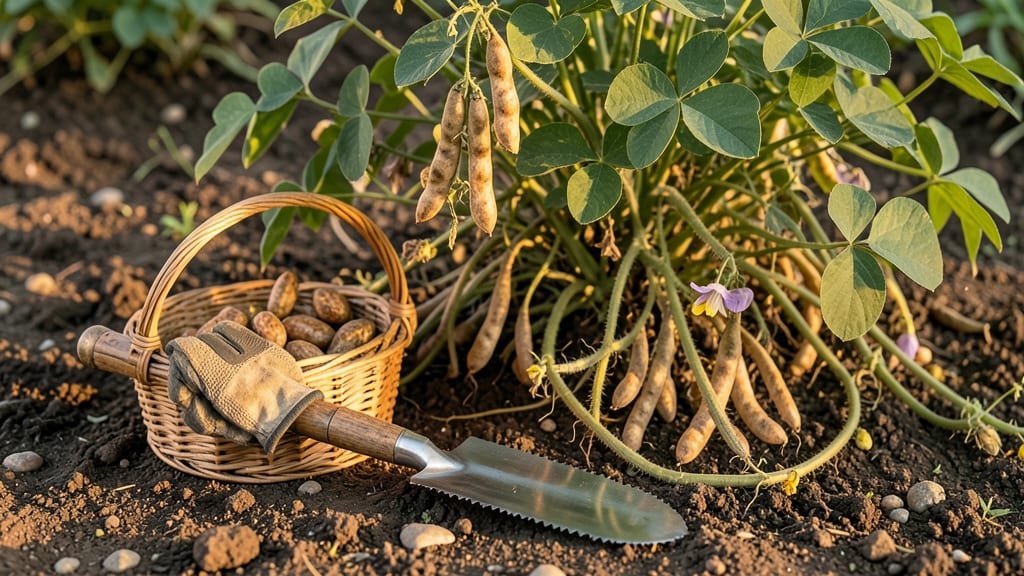
Peanut harvest time arrives between 120 and 150 days after planting—a window that separates a bountiful yield from wasted effort.
Picture this: you’ve nurtured your 🥜 plants all season, only to dig them up too early and find underdeveloped pods—or wait too long and risk shriveling. The difference between success and disappointment often comes down to knowing the exact signs and timing for your variety.
Whether you’re growing Virginia, Spanish, or Runner peanuts in Zone 6a, the ideal harvest moment depends on both days after planting and visual cues like yellowing leaves and dry pegs. Missing these details can mean losing up to 30% of your crop to spoilage or poor flavor.
In this guide, I’ll walk you through the precise harvest windows by variety, how to check readiness before digging, and the post-harvest steps to cure and store your peanuts for maximum quality. No guesswork—just exact days and foolproof methods.

Peanut harvest timeline by variety: exact days after planting
Peanuts are one of those crops where timing is everything. Harvest too early, and you’ll get small, underdeveloped pods. Wait too long, and you risk shriveling or mold.
Each variety has its own ideal harvest window, measured in days after planting, but soil conditions and weather play just as big a role. Let’s break down the exact harvest timelines for Virginia, Spanish, and Runner peanuts, plus the perfect conditions to dig them up.
First, know that peanuts don’t grow on the plant like most vegetables—they develop underground after pegs (stems) penetrate the soil. This means you’ll need to wait for both the right number of days AND the right environmental cues.
For example, Virginia peanuts are the late bloomers, while Spanish peanuts mature fastest. Understanding these differences ensures you don’t miss your harvest window.
For Virginia peanuts, the longest-maturing variety, you’ll need to mark your calendar 120–140 days after planting. These are the classic large, meaty peanuts often used for roasting. The soil should be dry enough to crack slightly—this signals the pods have stopped growing.
If you’re in a cooler climate, aim for the earlier end of this range to avoid frost damage to the underground pods.
If you’re growing Spanish peanuts, expect a faster harvest at just 90–110 days. These smaller, red-skinned peanuts are perfect for quick snacks or cooking. The soil should be moist but well-drained—overly wet conditions can lead to moldy pods.
Pay close attention to foliage wilting and the sound of pods rattling when shaken, as these are your best indicators.
Runner peanuts fall in the middle with a 100–120-day harvest window. They’re prized for their sweet, nutty flavor and are often used in confections. Like Virginia types, they thrive in warmer temperatures (70–82°F), so if you’re in a short-season area, opt for early-maturing Runner varieties. The key is waiting until the pegs turn brown and brittle—this means the pods are fully developed.
One common mistake is harvesting based solely on days after planting without checking the soil moisture and temperature. For example, if your Spanish peanuts hit 110 days but the soil is still soggy, wait a few more days.
Conversely, if the Virginia peanuts reach 140 days but the pegs are still green, they need more time. Always dig up a test plant to check pod development before committing to a full harvest.
Pro tip: Harvest on a dry, sunny morning to reduce soil clinging to the pods. Use a garden fork or hoe to gently loosen the soil around the plants, then pull them up carefully.
Shake off excess dirt and lay the plants in the sun to cure for 3–5 days before storing. This step is crucial for preventing mold and extending shelf life.
Remember, peanuts are annuals, so every harvest is a chance to refine your timing. Keep a garden journal to track which varieties perform best in your climate, and adjust your planting dates accordingly.
With the right harvest timing and conditions, you’ll enjoy a bountiful crop of peanuts every season.
Signs your peanuts are ready for harvest (before checking days)
Harvesting peanuts at the right time ensures sweet, flavorful nuts—but counting days isn’t always reliable. Instead, focus on visual and tactile cues that signal maturity.
These signs work across Virginia, Spanish, and Runner varieties, helping you avoid common mistakes like harvesting too early (underdeveloped pods) or too late (shriveled nuts).
First, observe the foliage. When leaves turn yellow-brown and begin drying from the bottom up, it’s a clear sign the plant is redirecting energy to the underground pods.
This natural senescence happens 4-5 months after planting, but don’t rely solely on the calendar—soil conditions and weather can shift timelines.
Next, check the peanut pegs (the stems that grow underground). Ready-to-harvest pegs will feel dry and woody to the touch, almost like brittle straw. If you gently tug on them, they should snap easily rather than bend. Green or flexible pegs mean the pods aren’t mature yet.
Here’s a critical test: shake the plants gently near the soil line. If you hear a dull rattling sound, it’s a strong indicator that pods have formed and are ready.
This “rattle test” works best in the morning when soil is dry, as damp conditions can muffle the sound.
⚠️ Harvest Too Early or Too Late?
Too Early: Pods won’t be fully developed, leading to small, shriveled peanuts with poor flavor. Leaves may still be 50% green, and pegs will feel flexible (not woody).
Too Late: Overripe peanuts lose moisture, becoming hard and mealy. Soil around plants may crack deeply, and foliage will turn crispy brown. Yields drop by 30-50% if left past maturity.
Pro Tip: Dig up 1-2 plants to check pod size. Ready peanuts should be 1-1.5 inches long with a papery shell.
Don’t overlook the soil moisture. Before harvesting, ensure the soil around the plants is dry to the touch 1-2 inches down. Peanuts need this dry spell to stop growing and harden their shells.
If the soil is soggy, wait 3-5 days for it to dry—harvesting wet soil can lead to moldy pods during curing.
Finally, perform the shell hardness test. Dig up a few peanuts and press your thumbnail into the shell. A ready peanut will have a firm, slightly resistant shell that doesn’t dent easily.
Soft shells mean the nuts need more time, while overly hard shells signal they’ve dried too long in the ground.
By combining these five key signs—foliage color, peg dryness, rattling pods, soil moisture, and shell hardness—you’ll harvest peanuts at their peak, whether you’re growing Virginia, Spanish, or Runner varieties. Avoid the guesswork and enjoy a bountiful, flavorful crop! 🥜