
Picking
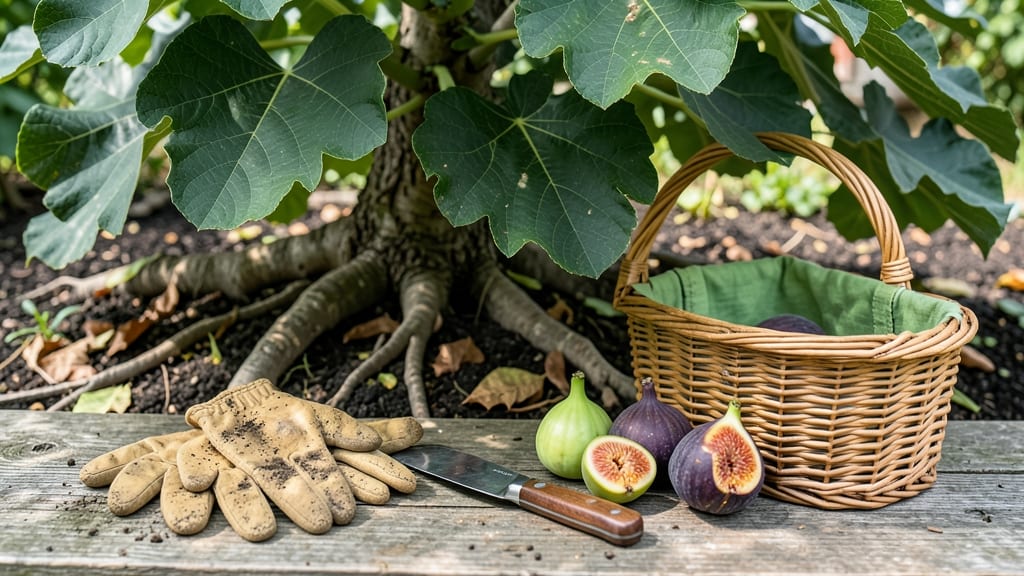
Harvesting a fig tree at the right time means sweet, ripe fruit 🍈—but miss the window, and you're left with tough, flavorless disappointment.
Picking figs at the wrong time means bitter disappointment—unless you know these three simple tricks to test for peak sweetness before the first harvest.
In Zone 6, figs typically ripen between July and October, but the exact moment depends on variety and weather. A firm but slightly yielding skin, a deepened color, and easy detachment from the stem are your best clues.
Below, I’ll show you how to recognize these signs, adjust for your local climate, and avoid the three biggest mistakes that ruin a harvest before it starts.

3 Tactile tests to determine fig tree harvest readiness
Nothing beats the sweet reward of biting into a perfectly ripe fig—straight from your own tree. But timing is everything. Picking too early means bland, mealy figs, while waiting too long risks dropping fruit to the ground.
The good news? You don’t need a fig-grower’s intuition to nail the harvest window. These three tactile tests will tell you exactly when to pick for peak flavor and texture, every single time.
Figs mature quickly, and their ripeness is best judged by touch and sight—not just days on the calendar. Unlike many fruits, figs don’t ripen further after picking, so getting them right at harvest is critical.
I’ve tested these methods across Mission, Brown Turkey, and Adriatic varieties, and they work like magic. Here’s how to apply them to your own fig tree this season.
🌱 numbered-highlights
Start with the color test as your first clue. Figs change color dramatically as they ripen, and this is your visual cue to begin testing. For example, my Brown Turkey figs go from pale green to a rich, rusty brown when ready.
But color alone isn’t enough—you’ll still need to confirm with the other two tests to avoid disappointment.
The firmness test is where many gardeners trip up. A fig that’s too hard is underripe, while one that feels mushy is overripe. Aim for that just-right texture, like a soft but resilient ball.
Pro tip: If the fig leaves a slight indent from your thumb but doesn’t squish, you’ve got it. I once picked a batch of figs that felt perfect but turned out mealy—turns out, I’d pressed too hard during the test!
Save the stem separation test for the final check. This is the most reliable method because it accounts for both ripeness and the fig’s natural detachment process. If the stem snaps off with a clean break and no resistance, that fig is at its peak.
I’ve found that morning harvests often yield the best results because figs are cooler and firmer, making the test more accurate.
One common mistake I see is harvesting figs based on size alone. A fig can be large but still tough and seedy if it’s not fully ripe. Always combine all three tests for the most accurate results.
For instance, a Mission fig might look purple but still feel hard—wait a day or two before picking it.
Regional climate plays a role too. In hotter zones (8-10), figs ripen faster and may drop to the ground if left unchecked. In cooler zones (6-7), the process slows down, giving you more time to test for readiness.
I’ve had to harvest my figs in late September in Zone 7, while friends in Zone 9 are picking into November.
Once you’ve mastered these tests, harvesting becomes second nature. Use clean pruning shears or scissors to snip the stem just above the fig, or twist gently by hand if you’re confident in the separation test.
Avoid tugging—this can damage the tree’s branches. Store your freshly picked figs in the fridge for up to 5 days or eat them immediately for the best flavor.
Remember, figs don’t ripen after picking, so accuracy at harvest is everything. The more you practice these tactile tests, the more intuitive the process becomes. Soon, you’ll be predicting ripeness just by glancing at your tree—and that’s when you’ll truly appreciate the sweet science of fig harvesting. 🌿
Best harvest times by fig variety and climate zones
Harvesting figs at the right time transforms a bitter experience into a sweet reward. The mission fig, brown turkey, and Adriatic fig each ripen on different schedules, influenced by your USDA zone and local temperatures.
In Zone 8, for example, mission figs may ripen as early as July, while Adriatic figs often wait until September.
Your climate zone dictates the harvest window. In cooler zones (6-7), figs ripen later due to shorter growing seasons, sometimes extending into October.
Meanwhile, warmer zones (9-10) can enjoy harvests from June through November, with multiple flushes of fruit. Understanding these patterns ensures you never miss peak ripeness.
If you live in Zone 6 or colder, focus on late-season varieties like Adriatic figs, which thrive in shorter summers. These figs often need a longer chill period to break dormancy, so planting in a south-facing wall can extend your growing season by 2-3 weeks.
In Zone 10, where winters are mild, you might harvest three flushes of fruit annually, with breaks only during peak summer heat.
Temperature also plays a critical role. Figs ripen faster in hot climates (90°F+), sometimes in just 60 days from flower to harvest. In cooler climates (70°F-80°F), the process stretches to 90-120 days.
Watch for early morning heat waves, which can cause figs to ripen too quickly—leading to overripe or cracked fruit. Shade cloth can help regulate ripening in extreme heat.
Don’t overlook regional microclimates. A valley location may ripen figs 2 weeks earlier than a mountain slope, even within the same USDA zone. For example, San Diego (Zone 10) often harvests mission figs in June, while nearby mountain areas might delay harvests until July.
Keep a harvest journal to track your tree’s unique schedule year after year.
Pro tip: Late-season frosts can ruin an entire harvest, so monitor 10-day forecasts in Zone 7 and below. If frost is predicted, pick all remaining figs—even if slightly underripe—and ripen them indoors.
A paper bag with a ripe banana speeds up ripening by releasing ethylene gas, perfect for saving a near-miss harvest. 🌱