
Planting
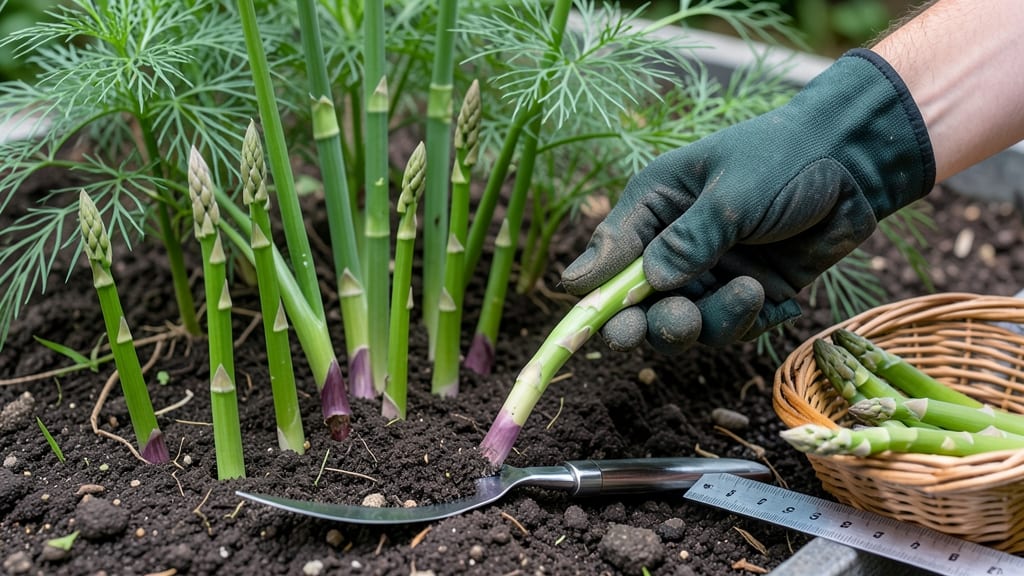
Harvesting asparagus after planting at the right time means the difference between delicious, tender spears and tough, bitter stalks that ruin your dinner plans.
Picture this: you’ve waited two years for your first harvest, only to snap a spear that’s already gone woody or split open into fern. That’s the moment you realize timing isn’t just important—it’s everything. The good news? With the right cues, you can nail it every time.
Most gardeners know asparagus takes patience—the first harvest doesn’t come until the second year—but what they don’t always know is how to spot the perfect spear. We’re talking spears that are 6-8 inches tall, firm to the touch, and still tightly closed at the tip.
Too thick? Too thin? Too early? Too late? I’ll walk you through the exact visual and seasonal signals so you never miss the window again.
Beyond thickness, you’ll learn how soil temperature, plant age, and even the time of day play a role. Plus, I’ll share my biggest mistake—over-harvesting in year one—and how to avoid it so your asparagus keeps producing for decades. Ready to turn your garden into a spear factory?

How to identify the perfect asparagus spear thickness for harvesting
Harvesting asparagus at the right spear thickness ensures tender, sweet spears rather than tough, bitter stalks. The ideal diameter range is between 1/4 to 3/4 inch—anything thinner may be too delicate, while thicker spears become woody. Understanding this size window is key to maximizing both flavor and plant health.
For first-time growers, visual cues are just as important as measurements. Look for spears with closed buds at the tips and a smooth, bright green skin. These signs indicate the spear is ready for harvest and hasn’t started converting sugars into fiber.
Overlooking these details can turn your homegrown bounty into a disappointing, tough harvest.
Seasonal timing also plays a critical role in spear thickness. In early spring, spears grow faster due to cooler temperatures, so they may reach harvest size more quickly.
By late spring, growth slows slightly, and spears may thicken faster if left unharvested. Monitoring your plants daily ensures you catch them at the perfect harvest window.
Here’s a quick reference to help you identify the ideal spear for harvesting:
Why does spear thickness matter so much? Thinner spears (1/4 to 1/2 inch) contain more natural sugars and fewer fibers, making them delicate and sweet. As spears thicken beyond 3/4 inch, their cell walls toughen, and starches convert into woody fibers, ruining the eating experience.
This transformation happens quickly, so timing your harvests is crucial.
For first-year plants, focus on harvesting only 5-10 spears per plant to avoid stressing the crown. In subsequent years, you can harvest more aggressively, but always prioritize spears within the 1/4 to 3/4 inch range.
Over-harvesting can weaken the plant and reduce next year’s yield, so balance is key.
Soil temperature also influences spear growth. In cooler climates (USDA Zones 3-6), asparagus may emerge later in spring, so monitor soil temps—spears won’t grow well until the soil reaches 50°F or warmer.
In warmer zones (7-10), spears may appear earlier, but heat can cause them to thicken faster. Adjust your harvest schedule accordingly.
Pro tip: Use a ruler or caliper for precise measurements if you’re unsure. A quick glance won’t always catch subtle thickness changes, especially in early morning harvests when spears are at their freshest. This small tool can save you from harvesting spears that are past their prime.
Remember, the goal is to balance harvest and plant health. By focusing on spear thickness, visual cues, and seasonal timing, you’ll enjoy a steady supply of tender, flavorful asparagus year after year. Happy harvesting!
Step-by-step harvesting process: when and how to cut for maximum yield
Harvesting asparagus at the right time ensures tender spears and a longer harvest window for future seasons. Unlike many vegetables, asparagus rewards patience—first-year harvests should be minimal to let roots establish. In subsequent years, timing becomes critical to avoid woody stalks and stressed plants.
Start checking your asparagus bed daily once spears emerge in early spring. The goal is to harvest when stalks reach 6–8 inches tall but before their tips begin to unfurl.
This tight bud stage guarantees peak flavor and tenderness. Use a sharp knife or pruners to cut spears cleanly at soil level—never pull them, which can damage the crown.
🌱 Step-by-Step Asparagus Harvest Guide
- 📅 First-Year Harvest: Limit to 2–3 weeks max; harvest no more than 6 spears per plant to protect roots.
- ⏰ Peak Season (Years 2+): Harvest daily or every other day during 4–6 week window (April–June in most zones).
- ✂️ Cutting Technique: Use a sharp knife to slice spears 1 inch below soil at a 45-degree angle for clean cuts.
- 🌡️ Soil Temp Check: Wait until soil temps reach 50°F+ (use a thermometer). Cold soil delays growth and causes stunted spears.
- 🌿 Post-Harvest Care: Leave 3–4 inches of fern to regrow; this feeds the crown for next year’s harvest.
- ⚠️ Avoid Over-Harvesting: Stop when spears thin dramatically or ferns yellow prematurely—this signals plant stress.
Early in the season, spears emerge slowly and sporadically. Prioritize harvesting the thickest, healthiest stalks first to encourage more growth. As the season progresses, you’ll notice a rush of spears—this is your peak harvest window.
Use a harvest basket or bucket of water to store spears; submerging them keeps them crisp for up to 5 days in the fridge.
Never harvest asparagus in its second year if you skipped first-year harvesting—this is a common mistake that weakens plants. After the initial harvest window closes, let ferns grow until fall frost.
This foliage converts sunlight into energy for next year’s larger, more abundant spears. Mulch around the base to retain moisture and protect crowns from temperature fluctuations.
For maximum yield, rotate your harvest area if spears thin in one spot. Asparagus plants produce new spears from different buds each year, so spreading out cuts encourages even growth. Always disinfect your tools between cuts to prevent disease spread, especially in crowded beds.
With proper timing and care, a single asparagus plant can yield up to 20 pounds of spears annually!
🌱 Remember: Patience pays off. The first year is about root establishment, while years two and three reward you with bountiful harvests. By following these steps, you’ll enjoy homegrown asparagus that’s sweeter, fresher, and more abundant than store-bought—every spring!