
How To
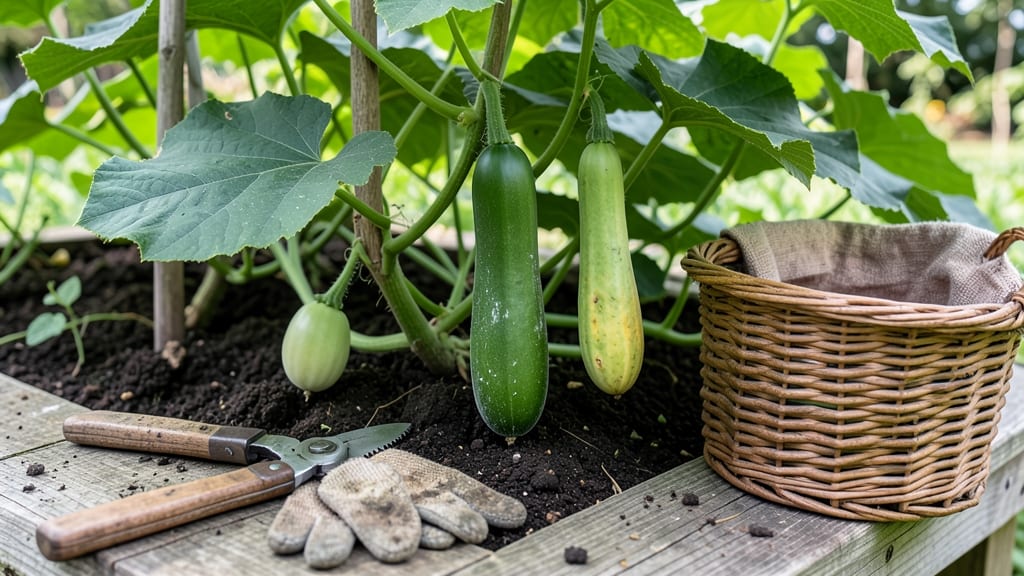
Harvesting bottle gourds at the right time ensures tender, flavorful fruit before they turn bitter—so when do you know they’re ready?
Picture this: a 🎃 that’s firm to the touch but still yields slightly when pressed, with seeds turning from white to brown inside. That’s your cue to pick it, because waiting too long means tough skin and poor taste.
The key? Checking skin hardness, seed color, and size—all clues your gourd is perfectly ripe.
In zones like 6a, where growing seasons are shorter, timing matters even more. Harvest too early, and the flesh stays bland; too late, and you’re left with a rock-hard shell. I’ll show you how to spot the ideal moment—no guesswork involved.
By the end, you’ll know exactly when to snip that vine, whether you’re growing for seeds, cooking, or just admiring your harvest. Let’s get started.

How to check bottle gourd skin hardness for perfect harvest time
Harvesting bottle gourds at the right time transforms their flavor from bland to sweet and tender. The skin hardness is your first clue—press gently with your thumbnail. If it leaves a slight dent but doesn’t puncture, the gourd is nearing maturity.
For a definitive test, tap the gourd: a hollow sound means it’s ready, while a dull thud signals underripeness.
Color changes also signal readiness. Early in the season, bottle gourds appear glossy and bright green. As they mature, the skin dulls to a matte finish and may develop faint stripes or spots.
Some varieties even shift to yellow or beige when fully ripe. Pay close attention to these visual cues, as they’re often more reliable than size alone.
| Stage | Skin Texture | Color | Size | Harvest Ready? |
|---|---|---|---|---|
| Early Growth | Soft, easily dented | Glossy green | 3-6 inches | ❌ No |
| Developing | Firm but yields slightly | Dull green | 6-10 inches | ⚠️ Maybe (check seeds) |
| Mature | Hard, no dent | Matte, may stripe | 8-12+ inches | ✅ Yes |
| Overripe | Very hard, woody | Dull, faded | 12+ inches | ❌ No (bitter) |
Size matters, but don’t rely on it alone. A 6-12 inch gourd is typically ready, but some heirloom varieties can grow much larger. For example, my ‘Long White’ bottle gourds reach 2 feet before hitting peak ripeness. Always cross-reference size with skin hardness—an oversized but soft gourd is still underripe.
Watch the stem attachment for subtle clues. When bottle gourds are ready, the stem where they connect to the vine will start to dry out and shrink slightly.
This is nature’s way of signaling it’s time to harvest. If the stem remains plump and green, give the gourd a few more days.
Temperature and humidity play hidden roles in skin development. In hot, dry climates, gourds harden faster due to accelerated water loss. Conversely, cool or humid conditions can slow ripening.
If your gourds aren’t firm by late summer, consider using a black plastic mulch to speed up maturation by raising soil temps.
For culinary use, harvest when the skin is firm but not woody—this ensures tender flesh. If you’re saving seeds, wait until the seeds turn brown and rattle inside. Cut the gourd from the vine using clean pruners or a knife, leaving a 1-inch stem to prevent rot during storage.
Pro tip: Harvest on a dry morning after dew has evaporated. This reduces the risk of fungal infections when you handle the gourds. Store them in a cool, dry place with good airflow to extend their shelf life for up to 3 months.
Remember, every bottle gourd variety has its own ripening pace. My ‘Tiffany’ gourds mature in 70 days, while ‘Lemon’ varieties take closer to 90 days. Keep a garden journal to track your plants’ unique patterns—it’ll save you from guessing next season.
If you miss the perfect window, don’t panic. Underripe gourds can still be used in soups or stews, though their flavor will be milder. Overripe ones? Toss them—they’ll turn bitter and develop a woody texture that’s inedible. When in doubt, harvest early and store them properly.
Seed color and size: the hidden clues to bottle gourd ripeness
When harvesting bottle gourds, the seeds inside reveal more about ripeness than you might think. Their color shifts from white to brown, and their size increases as the fruit matures—both critical indicators for flavor and texture.
For culinary use, aim for medium-sized seeds (about 1/4-inch long) with a light brown tint, signaling peak tenderness. Overripe seeds turn dark brown and hard, making the gourd tough and bitter.
If you're saving seeds, wait until they're fully brown and dry inside the gourd. This ensures viable germination for next year's planting. The seed cavity should feel hollow when tapped—another sign of readiness.
I always test a few seeds by cutting open a gourd: if they're plump and brown, it's time to harvest for seed-saving.
| Seed Stage | Seed Color | Size (Approx.) | Best For | Harvest Time |
|---|---|---|---|---|
| Early Maturity | White to pale yellow | 1/8-inch | Not ideal (underripe) | Too soon |
| Peak Culinary Ripeness | Light tan/brown | 1/4-inch | Cooking, eating | Ideal harvest |
| Full Maturity | Dark brown/black | 1/2-inch+ | Seed-saving | Best for seeds |
For culinary use, harvest when seeds are light brown and about 1/4-inch long. This stage delivers the sweetest, tenderest flesh—perfect for soups, stir-fries, or roasting. I once waited too long, and my gourds turned rock-hard with a bitter aftertaste.
Always cut open a test gourd if unsure: if the seeds are still white or pale, give it more time.
If saving seeds, leave gourds on the vine until seeds turn fully brown and the cavity feels dry. This usually happens 2-4 weeks after the ideal culinary harvest time.
Remove seeds, dry them in a warm, dark place for 1-2 weeks, and store in a cool, dry container for planting next season. Pro tip: Label your seeds with the harvest year!
Watch for seed size as another clue. Seeds smaller than 1/8-inch mean the gourd is underripe, while seeds larger than 1/2-inch signal overmaturity. Aim for the sweet spot of 1/4-inch seeds for the best balance of flavor and texture.
In USDA Zone 6a, this typically aligns with late July to early August, but adjust based on your local climate.
Remember, gourd size also matters. A 6-12-inch gourd with firm skin and mature seeds is usually ready. Larger gourds may be overripe unless you're specifically saving seeds. I’ve found that harvesting at 80-100 days after planting yields the best results for both eating and seed-saving.
Pay attention to these clues, and you’ll never miss the perfect harvest again! 🎃