
Flowers
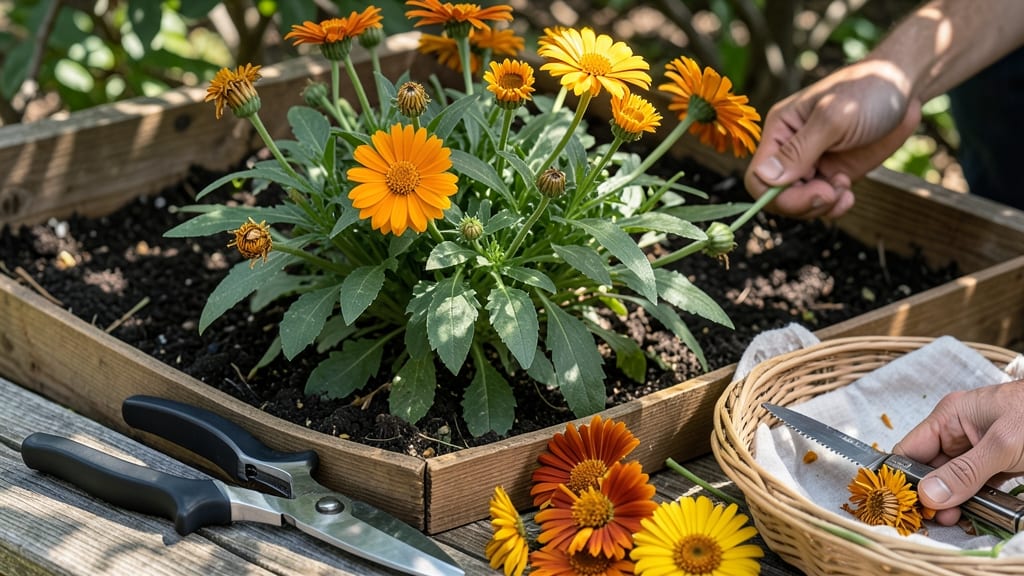
Harvest calendula flowers when petals are fully open but before they wilt or drop 🌼 — timing this window ensures maximum potency for teas, salves, or culinary use.
Calendula flowers aren’t just beautiful—they’re medicinal powerhouses, but timing their harvest wrong can ruin their potency and flavor. I’ve seen gardeners miss the perfect moment, leaving petals too dry or seeds already forming, which weakens their healing properties.
Look for vibrant petals with a golden or deep orange hue, and avoid harvesting after rain or late in the day when dew can dampen their quality. The key is catching them at peak freshness, just as the center begins to close slightly.
Below, I’ll break down the exact visual cues, best times of day, and how climate affects your harvest schedule for the most effective calendula.

How to identify the perfect petal color for harvesting calendula
Harvesting calendula at the right petal color stage makes all the difference for medicinal potency and flavor intensity. Golden-yellow petals pack the highest levels of carotenoids and volatile oils, while deep orange blooms signal peak maturity for seed collection.
Understanding these color shifts helps you time your harvest for the best results.
For culinary and medicinal use, aim to harvest when petals are fully open but still vibrant. The center buds should remain slightly closed—this ensures maximum essential oil content. Overripe flowers with wilted edges lose potency and develop bitter flavors, so timing is everything.
Sunlight exposure plays a crucial role in petal color development. Full sun (6+ hours daily) accelerates color deepening, while partial shade keeps petals lighter longer. In hot climates, calendula may mature faster, requiring more frequent checks. Always harvest in the morning after dew dries for the freshest petals.
Here’s how sunlight and color correlate with harvest readiness:
In cooler climates, calendula may take 70-80 days to reach harvest stage, while hotter regions can see readiness in as few as 50 days. Always monitor your plants for color shifts—this is your best indicator of harvest readiness.
Use sharp pruning shears to cut stems at a 45-degree angle just above a leaf node.
For medicinal use, prioritize golden-yellow petals as they contain higher levels of anti-inflammatory compounds. Deep orange flowers, while still useful, are better suited for seed collection or dried arrangements.
If you’re growing calendula for both flowers and seeds, leave some blooms to mature fully while harvesting others at the golden stage.
Pro tip: Label your plants if growing multiple varieties. Some calendula cultivars like ‘Bonanza’ or ‘Touch of Class’ develop richer colors under intense sunlight, while others may stay lighter. Adjust your harvest timing based on the specific variety’s color progression.
Never harvest flowers after rain or heavy dew, as moisture reduces shelf life and can dilute essential oil concentrations. Always allow petals to air-dry completely before storing in a cool, dark place for up to 12 months. Proper drying preserves color vibrancy and medicinal properties.
If you notice petals fading prematurely, it may signal nutrient deficiency (like low nitrogen) or pest stress. In this case, adjust your fertilizer schedule and monitor for aphids or spider mites, which can weaken plants.
Healthy calendula with vibrant petals is your best guarantee of a successful harvest.
🌼
The seed head test: when to harvest for seeds vs. flowers
Knowing when to harvest calendula flowers for petals versus seeds can make all the difference in your garden's productivity. Harvesting petals too early reduces their medicinal potency, while collecting seeds too soon yields poor germination rates. The key lies in understanding the seed head test and recognizing maturity cues.
For flower petals, timing matters most when the blooms are fully open but haven't yet started to wilt. This ensures maximum flavor and therapeutic compounds. Meanwhile, seed collection requires patience—waiting until the seed heads turn brown and begin to split guarantees viable seeds for next year's garden.
- 🌼 Step 1: Observe Petal Color – Harvest petals when they're fully golden or deep orange but before the center buds open completely.
- 🌱 Step 2: Check Stem Firmness – Gently squeeze the stem; it should feel firm and upright, not soft or wilted.
- 🌻 Step 3: Seed Head Maturity – For seeds, wait until the flower head turns brown and splits open naturally.
- ✂️ Step 4: Use Clean Tools – Always cut stems with sharp scissors to avoid damaging the plant.
- 🌿 Step 5: Dry Properly – Hang harvested flowers upside down in a dry, shaded area for 1-2 weeks to preserve potency.
If you're harvesting for petals, aim to pick flowers in the morning after dew has dried. This ensures the petals are at their freshest and most potent.
For seeds, patience is key—wait until the seed heads are fully dry and brown, as premature harvesting can lead to poor germination.
One common mistake is harvesting calendula flowers too late, when the petals begin to wilt. This reduces their flavor and medicinal properties, making them less effective for teas, salves, or culinary uses. Always prioritize early morning harvests for the best results.
For seed collection, leave some flowers on the plant until they naturally dry and split open. This usually happens in late summer or early fall, depending on your climate. Once the seed heads are dry, gently rub them to release the seeds or collect them by hand for storage.
Pro tip: Label your seed packets with the harvest year to keep track of varieties. Store seeds in a cool, dry place for up to two years to maintain viability. With the right timing, you'll enjoy both fresh petals and viable seeds from your calendula plants all season long.