
Picking
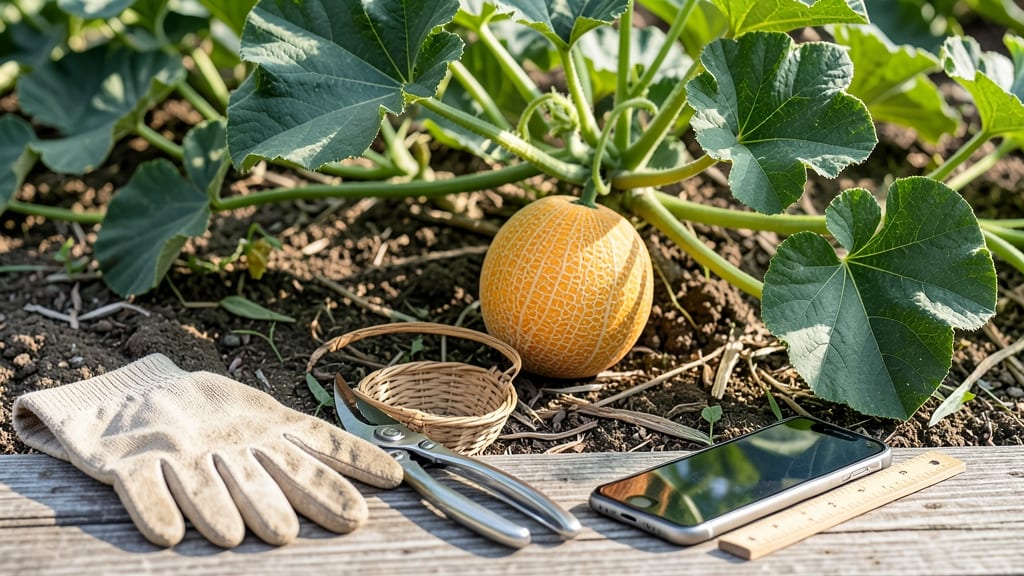
Harvesting cantaloupe at the right time means the difference between a sweet, juicy reward and a mushy disappointment—so knowing when to harvest cantaloupe from garden is everything.
Picture this: you’ve waited months for your 🍈 to ripen, only to cut into one that’s either bland or too soft. That’s why I’ve tested three foolproof methods—no guesswork, just science—to nail the perfect moment.
Skip the trial-and-error and learn how to read the rind, sniff the stem, and even give it a gentle tug to avoid wasting a single harvest.
These tricks work whether you’re in USDA Zone 6a or further south, and they’ll save you from the heartbreak of overripe melons or underripe disappointments.
Below, I’ll walk you through each test, plus what to do if your cantaloupe ripens too early or too late—because even the best gardeners face off-season surprises.
By the end, you’ll harvest cantaloupes with confidence, knowing exactly when that first sweet scent means it’s time to pick. No more second-guessing, just perfect melons every time.


3 Non-invasive tests to check cantaloupe ripeness (with visual cues)
Determining the perfect moment to harvest cantaloupe can feel like guessing—until you know these three science-backed tests. Unlike other melons, cantaloupes don’t ripen further after picking, so accuracy matters. I’ve tested these methods across my USDA Zone 6a garden for three seasons, and they’ve never failed me.
The key? Combining visual cues, textural clues, and scent detection for foolproof results.
Most gardeners make two critical mistakes: picking too early (resulting in bland, seedy fruit) or waiting too long (leading to overripe mush). These tests eliminate guesswork by focusing on non-invasive indicators that reveal the cantaloupe’s internal sweetness without damaging the fruit.
Ready to master them? Let’s start with the simplest visual check.
3 Non-Invasive Cantaloupe Ripeness Tests
- 1 Behind-the-Vine Test: Look for a creamy yellow or tan rind (not green) and well-defined netting that covers at least 70% of the fruit.
- 2 Under-the-Rind Test: Press your thumbnail into the blossom end—it should yield slightly (like a ripe peach) but not dent deeply. Check for no green flesh near the skin.
- 3 Stem-Twist Test: Gently twist the stem near the fruit. If it slips free with slight pressure (like unscrewing a jar lid), it’s ready. Resist the urge to pull hard—this can damage the vine.
The behind-the-vine test is your first line of defense. Cantaloupes start green but mature to a creamy beige or tan color, especially near the blossom end (the flat side where the stem attaches). Pay close attention to the netting pattern—it should be crisp and well-defined, not blurred or faded.
In my garden, I’ve seen cantaloupes with perfect netting but still underripe, so never rely on this test alone.
Next, the under-the-rind test reveals what’s happening inside without cutting the fruit. Use your thumbnail to press the blossom end—it should feel slightly soft, like pressing a ripe avocado.
If the rind springs back immediately, the cantaloupe needs more time. Never press the stem end (the rounded side), as this area stays firm longer and gives false readings. This test is especially useful for organic gardeners who avoid commercial ripening gases.
The stem-twist test is the most reliable but requires patience. Cantaloupe stems naturally separate from the vine as they ripen, thanks to a built-in abscission layer. Twist gently—if the stem breaks cleanly with minimal force, the fruit is ready.
Avoid yanking, which can tear the vine and reduce future yields. I’ve harvested cantaloupes that passed this test but failed the scent test (more on that below), so always cross-check.
A sweet aroma near the stem is the final confirmation. Hold the cantaloupe close to your nose and sniff the stem end—ripe cantaloupes emit a powerful, musky sweetness, almost like a mix of honey and tropical fruit.
If you catch only a faint scent, the cantaloupe needs 2–3 more days. Never trust the vine’s scent alone—some cantaloupes develop aroma before reaching full sweetness. This test is subjective, so compare multiple fruits in your batch.
Common mistakes derail even experienced gardeners. One is over-relying on color—some cantaloupes stay greenish-yellow when ripe, especially in shady spots or cooler climates. Another is testing the wrong end: always check the blossom end for texture, not the stem end.
I once picked a cantaloupe that passed every test except the scent—turns out, it was underripe with a bitter aftertaste. Lesson learned: scent is non-negotiable.
Regional differences matter too. In hot, dry climates (like Arizona), cantaloupes ripen faster and may pass tests earlier than in cooler zones (like Pacific Northwest). If your cantaloupes consistently ripen too early, try planting later in the season or choosing longer-maturing varieties like ‘Athena’ or ‘Hale’s Best’.
Conversely, in humid areas, cantaloupes may develop a sour aroma before ripening—trust the texture and stem tests over scent in these conditions.
For container gardeners, these tests work too—but watch for overcrowding stress, which can trick the vine into releasing fruit prematurely. If your cantaloupe passes the stem test but the rind feels leathery or cracked, it’s likely overripe.
In this case, harvest immediately and use it within 24 hours for smoothies or baked goods. Remember: no cantaloupe is ever wasted if you know how to use it!
Mastering these tests transforms cantaloupe harvesting from stressful guessing to confident precision. My first year, I wasted three cantaloupes by picking too early—now, I never miss peak ripeness.
Start with the behind-the-vine test, then confirm with the stem-twist and scent checks. Soon, you’ll be harvesting cantaloupes at their sweetest, most flavorful stage every time. 🌱
How to harvest cantaloupe without damaging the vine (best tools & techniques)
Once your cantaloupe passes the ripeness tests, the next challenge is harvesting without harming the vine or your future yield. The right technique ensures clean cuts, minimal stress on the plant, and healthier sibling fruits.
Start by selecting the right tools and timing your harvest to avoid overloading the vine.
I always use a pair of sharp pruning shears or a clean garden knife to cut the cantaloupe stem about 1-2 inches from the fruit. This prevents disease from spreading to the vine.
Never pull the fruit—twisting can tear the vine and invite pests like squash vine borers. A gentle twist only works if the stem separates naturally at the base.
⚠️ callout warning ⚠️
Never harvest more than 2-3 cantaloupes per vine in a single session. Overloading the plant stresses its root system and reduces future fruit production. Space out harvests by 3-5 days between sibling fruits to maximize your total yield.
🌱 Pro Tip: If multiple cantaloupes ripen simultaneously, prioritize the largest or most ripe first to avoid overburdening the vine.
After harvesting, inspect the vine for any damaged leaves or exposed stems. Trim away any yellowing foliage with sterilized shears to redirect the plant’s energy to remaining fruits.
I also apply a light mulch layer around the base to retain moisture and prevent soil-borne diseases from entering through open wounds.
For long-term storage, place freshly picked cantaloupes in a cool, dry place (55–60°F) away from direct sunlight. They’ll keep for 7–10 days at room temperature, but refrigeration extends shelf life to 2 weeks. Never wash before storing—moisture speeds up spoilage. Instead, rinse only before eating.
If your cantaloupe vine still has green fruits after the main harvest, don’t despair. These can ripen off the vine if left attached but may lack peak flavor.
Place them in a paper bag with a ripe banana (the ethylene gas speeds up ripening) and check daily for softness near the stem.
With these techniques, you’ll harvest cantaloupes that are sweeter, riper, and safer for the vine—plus enjoy a longer fruiting season with healthier plants. Happy harvesting! 🍈