
How To
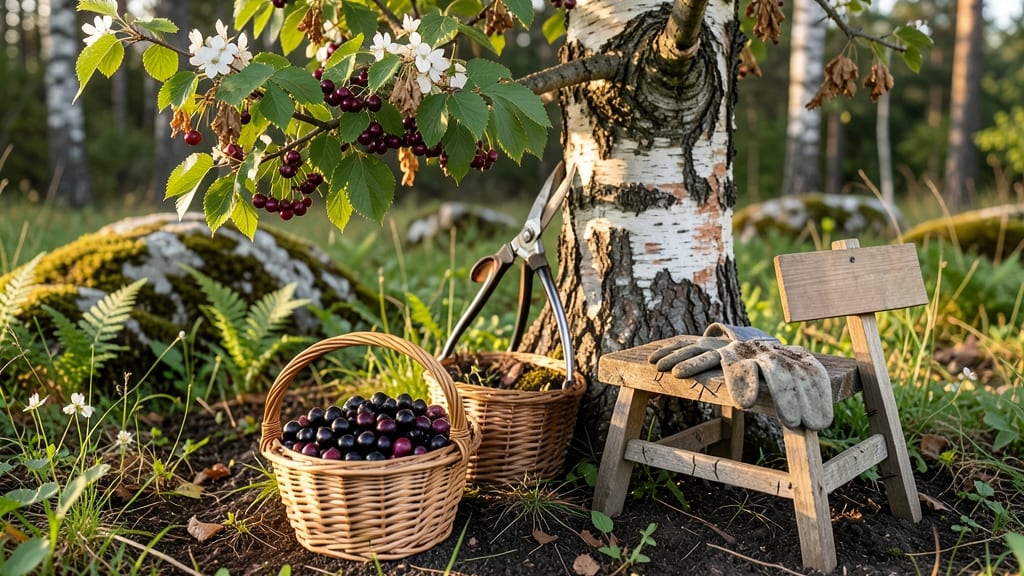
Harvesting chokecherries at the right time means the difference between sweet, jam-packed flavor and bitter, seedy disappointment.
I’ve seen bright red clusters turn into deep purple-black 🫐 overnight—then watched them shrivel just as fast. Timing is everything, and missing it means wasted effort or fruit that’s too tart to use. Here’s how to spot the perfect moment when they’re ripe, juicy, and ready for your kitchen.
Most gardeners focus on color, but the real test is the seed inside. A ripe chokecherry’s pit should give slightly when pressed, signaling peak ripeness.
I’ll walk you through the exact cues—from berry softness to sunlight’s role in sweetening—and when to grab your basket, whether you’re in Zone 6a or beyond.
You’ll also learn the best time of day to pick (hint: it’s not midday) and how regional weather shifts your harvest window. By the end, you’ll know exactly when to harvest chokecherries for jams, pies, or fresh eating—without a single wasted berry.

How to identify chokecherry ripeness by color and size
Chokecherries start their life as bright green berries but transform into deep purple-black gems when ripe. The color shift is your first clue—unripe fruit stays green or turns a dull red, while fully ripe berries develop a rich, almost black hue.
This change happens between late summer and early fall, typically in August or September, depending on your USDA hardiness zone.
Sunlight exposure plays a critical role in ripening. Trees in full sun (6+ hours daily) produce berries that ripen faster and develop deeper color. Shadier locations may delay ripening by 1-2 weeks, so adjust your expectations if your chokecherry tree isn’t in optimal light.
Pay close attention to the brightest branches first—they’ll ripen earliest.
Now, let’s talk size. Mature chokecherries measure about ½ to ¾ inch in diameter when fully ripe. They should feel plump but slightly soft to the touch, almost like ripe plums.
If the berries are smaller than a dime or still firm, they need more time on the tree. Overripe cherries may shrivel or split, so timing is everything.
Here’s a quick visual guide to help you spot the perfect moment:
One trick I use is to compare berries from different branches. If some are deep purple-black while others remain green, pick the ripe ones first and leave the rest for 1-2 more weeks.
This staggered ripening is normal, especially in cooler climates where fruit matures unevenly. Pro tip: Shake a few branches gently—ripe cherries will detach easily from the stem.
Don’t rely solely on color, though. Some disease-resistant varieties may stay greenish even when ripe, so always check the seed softness (we’ll cover this in the next section!).
If you’re unsure, harvest a small batch and test a few berries—you’ll quickly learn what “perfect” looks like for your specific chokecherry tree.
Regional differences matter too. In warmer zones (7-9), cherries may ripen as early as July, while cooler zones (3-5) might see harvests stretching into October. Keep a harvest journal to track when your tree typically ripens—this helps you plan for peak flavor years.
Finally, watch for wildlife cues. When birds and squirrels start feasting on your cherries, it’s a sign they’re ripe! Just be ready to harvest quickly before they eat your entire crop. A light frost can also trigger ripening, so stay vigilant in fall.
With these visual cues mastered, you’ll never pick chokecherries too early or too late again. The key is patience—wait for that deep purple-black color and plump texture, and you’ll reward yourself with the sweetest, most flavorful harvest possible
The seed softness test: the most reliable way to check ripeness
When your chokecherries turn deep purple-black, don’t rush to harvest—seed softness is the ultimate test for ripeness. This simple finger-squeeze method reveals flavor sweetness, sugar content, and whether the fruit is truly ready to pick.
Unlike color alone, which can be misleading, the seed test cuts through the guesswork to deliver perfectly ripe, juicy berries every time.
Here’s why I rely on this test: overripe chokecherries lose their delicate balance of tartness and sweetness, while underripe ones remain bitter and seedy. The seed’s texture tells you exactly where your fruit stands in the ripening spectrum—no lab equipment required.
Grab a handful of berries and let’s put this method to work in your garden.
How to Test Chokecherry Seed Softness
- Step 1: Pick a Sample Berry Select one fully colored berry (deep purple-black) from the tree. Avoid any that look shriveled or damaged.
- Step 2: Gently Squeeze Between Fingers Place the berry between your thumb and index finger and apply light pressure. Focus on the seed’s texture, not the flesh.
-
Step 3: Assess the Seed’s Feel
- Hard Seed = Underripe (berry still firm, tart flavor)
- Slightly Soft Seed = Perfectly Ripe (berry yields gently, balanced sweet-tart)
- Very Soft/Mushy Seed = Overripe (berry too soft, may ferment quickly)
- Step 4: Confirm with Taste Pop the berry into your mouth—ripe chokecherries should be sweet-tart with a slight jammy texture. If it’s overly bitter or mealy, wait 1-3 days and retest.
- Step 5: Harvest When Most Seeds Pass Test 5-10 berries from different branches. Once 70%+ show slight seed softness, it’s time to harvest for peak flavor and sugar content.
This test works because chokecherry seeds harden as the fruit matures, then soften when sugars peak. The slight give you feel? That’s the cell wall breakdown signaling perfect ripeness. Pro tip: Test berries from the shadiest branches first—they often ripen later due to reduced sunlight exposure.
Timing matters too. If you harvest too early, you’ll end up with bitter, astringent fruit that’s nearly inedible raw. Wait until the seeds are just soft enough—this ensures maximum antioxidant levels and culinary versatility, whether you’re making jams, syrups, or fermented drinks.
Patience here pays off in bold, complex flavors.
For large harvests, test berries every 2-3 days during peak ripening (late August to early September in most USDA Zone 6a regions). Keep a harvest journal to track seed softness trends—you’ll notice patterns based on your tree’s sun exposure and local climate.
Over time, you’ll predict ripeness like a pro.
Remember: The seed softness test isn’t just about taste—it’s about preserving your harvest. Overripe chokecherries ferment quickly and attract pests, while underripe ones won’t store well. Master this method, and you’ll always know exactly when to pick for fresh eating, processing, or long-term storage. 🫐