
How To
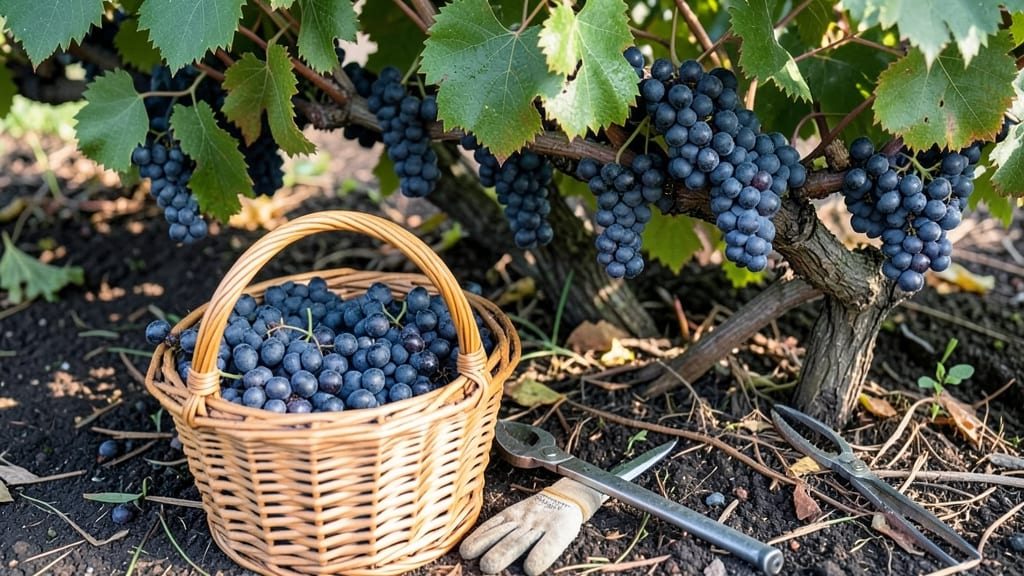
Harvesting Concord grapes at the right time means waiting for deep purple color, plump berries, and fully developed seeds—three key signs that guarantee peak flavor.
You’ve spent months tending to your 🍇 vines, and now the moment of truth arrives: when to pick those grapes for the juiciest, sweetest harvest. Get it wrong, and you’re left with tart, underripe fruit—or worse, overripe mush that spoils too fast.
In USDA Zone 6a, where most home growers tend Concord grapes, the harvest window typically falls in late August to September. But timing isn’t just about the calendar—it’s about color, texture, and even the weather forecast.
Below, I’ll walk you through the three color-stage tricks to nail the perfect harvest, plus how to test ripeness like a pro and avoid the mistakes that ruin your crop.

3 Color-stage tricks to perfectly time Concord grape harvesting
Timing your Concord grape harvest correctly transforms your backyard into a flavor factory. These grapes undergo dramatic color changes that signal when they're ready to pick. Missing these visual cues means sacrificing sweetness for tartness—or worse, letting birds and wildlife beat you to the best fruit.
I've learned the hard way that waiting for deep purple isn't enough; you need to watch for three specific color-stage progression clues that guarantee peak flavor.
The first trick involves observing the berry color progression from light purple to deep purple-black. This isn't just about aesthetics—it's your first warning that the grapes are maturing.
What I've noticed is that Concord grapes start changing color around late August in most climates, but this can vary by USDA zone.
In my Zone 6 garden, I've seen the color shift accelerate after the first September frost warning, so I always start checking grapes two weeks before my expected harvest date.
Here's where most gardeners go wrong: they assume deep purple means ready-to-pick. But the real magic happens when you combine color with two other key indicators. The skin texture should transition from firm to slightly yielding when you press gently with your thumb. This change happens gradually, so I recommend checking grapes every 3-4 days during their final color shift. The skin's slight give signals that the sugar content has peaked while the acidity levels have balanced out.
Now for the visual comparison you've been waiting for—this table breaks down exactly what to look for at each stage:
| Harvest Stage | Berry Color | Seed Color | Skin Texture | Detachment Test |
|---|---|---|---|---|
| Early Stage | Light purple-green | White/light tan | Hard, no give | Stems break, not detach |
| Mid Stage | Medium purple | Light brown | Firm with slight give | Partial detachment |
| Peak Harvest | Deep purple-black | Dark brown/black | Soft but firm | Easy detachment |
| Overripe | Very dark purple | Black | Mushy, wrinkled | Falls off easily |
The third color-stage trick involves examining the seed development inside the grapes. When the seeds turn from light tan to deep brown, that's your final confirmation.
I always cut open a grape or two from each cluster to check the seeds—this is especially important if you're growing Concord grapes for jelly or wine, where seed maturity affects flavor extraction.
Pro tip: if the seeds are still light-colored when the berries are deep purple, wait 2-3 more days before harvesting.
Don't overlook the detachment test, which is my foolproof method for confirming ripeness. At peak harvest, grapes should detach easily from the stem with a gentle tug—no more than 5 pounds of pressure. If they resist, they're not ready yet.
I test this by holding a cluster and giving it a slight pull while looking for that telltale "pop" sound as the grape separates from the stem. This test works best in the morning hours when grapes are fully hydrated from overnight water absorption.
Regional variations play a huge role in harvest timing. In warmer climates like Zone 8, grapes may start changing color as early as mid-August, while in cooler Zone 5 areas, you might not see significant color changes until early September.
My Zone 6 garden falls right in the middle, but I always adjust my expectations based on the previous year's harvest date and the current year's weather patterns. A hot, dry summer will accelerate ripening, while a cool, wet season may delay it.
One mistake I used to make was harvesting based solely on berry size. Big grapes don't always mean ripe grapes—especially in years with inconsistent rainfall. Always combine size with the color-stage progression and seed development I've described.
For example, I once picked a cluster of large grapes that were still light purple inside, only to discover they tasted like overgrown raisins. Now I wait until I see all three indicators working together before I even think about picking.
Remember that Concord grapes continue to ripen after picking, but only to a point. Once they're off the vine, their sugar development slows dramatically. That's why I harvest in the early morning when temperatures are cool—this preserves the grapes' freshness and gives me the best window to process them immediately.
If you're making grape jelly or wine, this timing is crucial for capturing that perfect sweet-tart balance that Concord grapes are famous for.
As you become more familiar
How to test Concord grapes for sugar content and flavor readiness
Determining when your Concord grapes are ready to pick isn't just about color—it's about capturing that perfect balance of sugar content and flavor intensity. These deep purple grapes develop complex sweet-tart notes over time, but harvest too early and you'll miss their peak potential.
The good news? With a few simple tests, you can pinpoint the exact moment when your grapes are bursting with flavor.
Start by understanding that sugar content in grapes increases steadily as they ripen, but so does acidity. The magic happens when these two elements reach harmony. Professional growers rely on a combination of visual cues, physical tests, and even taste to ensure they harvest at the right time.
For home gardeners, these methods are just as effective—and far more accessible than you might think.
5 Key Tests to Confirm Concord Grape Ripeness
- 1. The Squeeze Test: Gently press a grape between your thumb and forefinger—it should feel firm yet slightly yielding, like a ripe plum. If it's rock-hard, it's not ready; if it's mushy, you've waited too long.
- 2. Color Consistency: Look for uniform deep purple across the entire cluster. Individual grapes may vary slightly, but the majority should be fully colored with no green or light spots remaining.
- 3. Seed Development: Cut open a grape and check the seeds. Fully ripe seeds will be brown and fully formed, not white or translucent. This is a foolproof indicator of internal ripeness.
- 4. Sugar Meter Reading: Use a refractometer (a tool that measures sugar content) to check the Brix level. Concord grapes typically reach 16-20 Brix at peak ripeness—anything below 16 may lack sweetness.
- 5. Taste Test: The ultimate judge! Pop a grape into your mouth. It should taste sweet with a balanced tartness. If it's overly tart or bland, wait a few more days before harvesting.
For the squeeze test, I recommend testing grapes on a cool morning when they're at their firmest. This method works best when combined with the color check—if the grapes are fully purple but still feel hard, they need a few more days on the vine.
Remember, Concord grapes continue to develop flavor even after picking, but they won't improve if harvested too early.
If you're serious about maximizing flavor, invest in a refractometer—these handheld tools measure sugar content (Brix levels) and are a game-changer for home growers. Aim for readings between 16-20 Brix for Concord grapes.
Anything below 16 might taste underripe, while levels above 20 can indicate overripeness, which may lead to softer fruit. This tool gives you precise data that your taste buds alone might miss.
Don't overlook the power of a simple taste test. After all, the goal is to enjoy those grapes at their best! Pick a grape from the middle of a cluster (avoiding the edges, which may ripen faster) and take a bite.
The perfect Concord grape should have a rich, jammy sweetness with a tangy finish. If it tastes more like a bland raisin or overly tart lemon, give them a few more days. Trust your palate—it's the most reliable tool in your harvest arsenal.
Timing your harvest correctly ensures you get the best flavor and longest storage life for your Concord grapes. Once picked, store them in the refrigerator for up to 2 weeks or freeze them for later use in jams, jellies, or juices.
Properly timed grapes will reward you with the most delicious results, whether you're enjoying them fresh or preserving them for later.