
How To
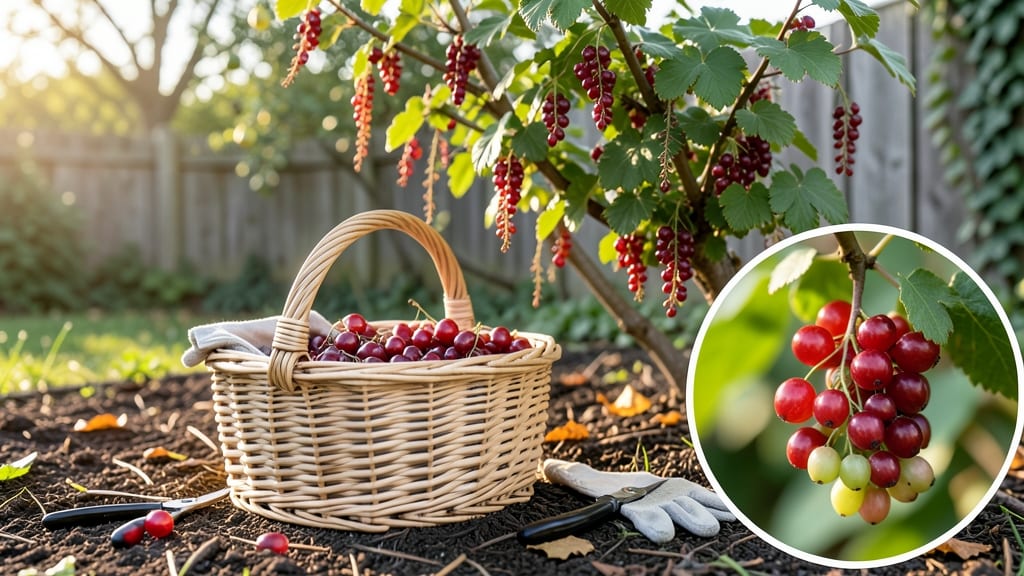
Harvesting currants at the right time means waiting until the berries 🫐 pop off stems with just a gentle tug—any earlier, and you’re left with tart, underripe fruit.
Picture this: you’re reaching for a cluster of deep red or glossy black currants, and they release effortlessly into your hand. That’s the moment you’ve been waiting for—and missing it means sacrificing flavor and risking next year’s yield.
The secret? Knowing the subtle cues that signal peak ripeness, from color shifts to the "berry pop" test.
Most currants ripen between mid-July and late August, but climate and variety play a huge role. Black currants, for example, darken fully before they’re ready, while red varieties need that signature plumpness and slight give.
In cooler zones like 6a, harvests can stretch later into summer, while warmer areas may see earlier peaks.
In this guide, I’ll walk you through the exact signs to watch for, how to test ripeness without overhandling, and what happens if you pick too soon or too late. By the end, you’ll never second-guess whether those currants are ready—or risk losing them to birds or rot.

How to test currant ripeness: the 'Berry Pop' method explained
Harvesting currants at the perfect moment means the difference between bursting sweetness and tart disappointment. The 'Berry Pop' method is my foolproof way to test ripeness—no guesswork, just a gentle touch.
When berries detach effortlessly with a slight tug, you’ve nailed the sweet spot. This tactile test works for red, black, and white currants, ensuring peak flavor and texture every time.
Before you harvest, check for visual cues like full color development (deep red, glossy black, or pale white) and plump size. Overlooking these signs can lead to underripe berries that lack sweetness or overripe ones that crumble.
The 'Berry Pop' method ties these visual clues together with a hands-on approach, giving you confidence in every harvest.
Why timing matters: Picking too early means tart, seedy berries that spoil faster, while waiting too long risks bird raids or moldy fruit. Mastering this method ensures your currants are sweet, firm, and ready for jams, snacks, or fresh eating. Let’s break it down step by step.
One common mistake is harvesting by color alone. Some berries may look ripe but still feel hard—this is especially true in cooler climates where ripening slows. Pair the 'Berry Pop' test with visual checks to avoid this pitfall.
For example, black currants might look dark but stay firm until the tactile test confirms readiness.
If you’re harvesting for long-term storage, aim for berries that are slightly firmer than those meant for fresh eating. Overripe currants bruise easily and spoil faster, so adjust your timing based on your end goal.
Pro tip: Store harvested currants in a single layer on a tray in the fridge to prevent mold from spreading.
Regional climates can shift harvest windows by 1-2 weeks. In warmer zones (like Zone 8+), currants may ripen earlier, while cooler zones (Zone 4-5) might see delayed harvests. Pay attention to your local frost dates—currants need at least 120 days of warm weather to fully ripen.
For continuous harvests, prune your currant bushes in late winter to encourage new fruit-bearing wood. This not only boosts yield but also spreads out ripening times, giving you a longer window to test and harvest berries.
Just avoid heavy pruning after June, as it can stress the plant before harvest.
Remember, patience is key. Rushing to harvest can leave you with berries that lack sweetness or develop mealiness. When in doubt, wait another day—your taste buds (and future harvests) will thank you. Now grab those pruners and put the 'Berry Pop' method to the test!
Best harvest times for black, red, and white currants: seasonal calendar
Timing your currant harvest is everything—black currants ripen first, followed by red and white varieties, but climate shifts everything. In cooler USDA Zones 3-5, harvests start as early as late June, while warmer Zones 7-9 may see berries ready by mid-July.
Understanding these windows ensures you don’t miss peak flavor or attract pests like birds before you’re ready.
Each currant type has its own schedule: black currants typically mature 1-2 weeks earlier than red or white, while white currants often linger until early August. Pruning in late winter can adjust this timeline by 10-14 days, pushing harvests later or earlier depending on your goals.
For example, heavy pruning encourages earlier fruiting, while minimal cuts delay ripening slightly.
🌱
| Variety | Peak Harvest Window | Climate Adjustments | Pruning Impact |
|---|---|---|---|
| Black Currants | Late June - Early July | Zones 3-5: 1 week earlier; Zones 7-9: 1 week later | Heavy pruning = earlier harvest |
| Red Currants | Early July - Mid-July | Cooler climates: 3-5 days earlier; warmer: 3-5 days later | Light pruning = delayed ripening |
| White Currants | Mid-July - Early August | High humidity = 1 week later; dry = 1 week earlier | No pruning = extended harvest |
To extend your harvest window, focus on selective pruning—removing old wood in late winter encourages new growth that fruits later in the season. I’ve found that white currants benefit most from this technique, often yielding a 2-week longer harvest than unpruned bushes.
For red currants, prioritize removing crossing branches to improve air circulation, which can delay overripening by 5-7 days.
Regional adjustments matter: In Pacific Northwest climates (like Oregon), black currants may ripen by mid-June due to cooler summers, while Southern gardeners in Texas might harvest red currants as late as August.
Always monitor berry color and the “pop test”—when berries detach with a slight tug—as your final guide, not just the calendar.
Pro tip: Harvest every 2-3 days during peak season to prevent birds from stripping your bushes. Store picked berries in paper bags in the fridge for up to 5 days, or freeze them for long-term use.
This frequent picking also signals your plants to produce more flowers for next year’s harvest, creating a virtuous cycle.
✂️