
How To
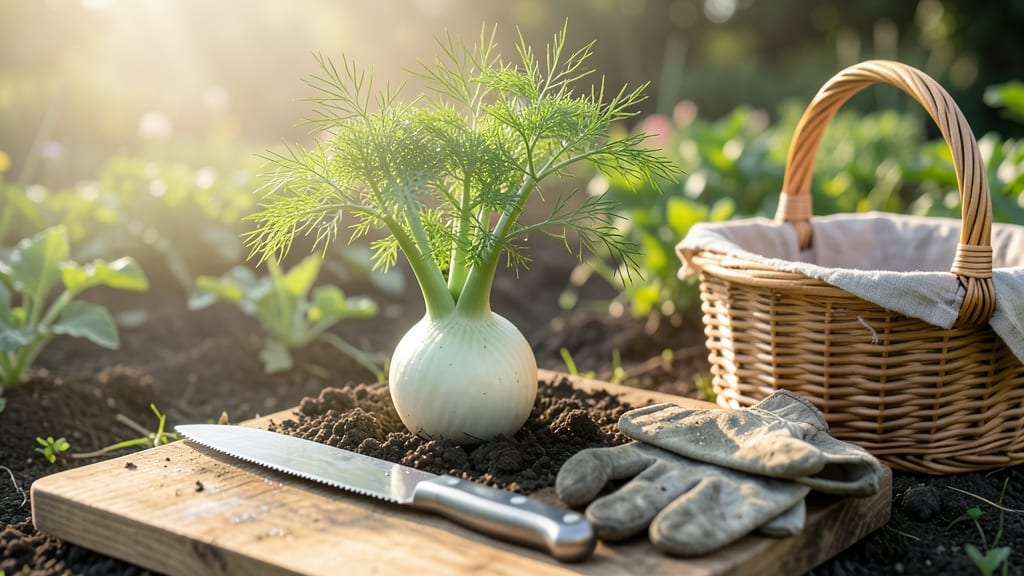
Harvesting fennel bulb at the right time turns your garden's hard work into a sweet, flavorful reward—but wait too long, and you’ll end up with a tough, bitter mess.
Picture this: you’ve nurtured your fennel 🌿 for months, watching it grow from a delicate seedling into a towering herb, only to wonder, "Is it ready yet?" The answer isn’t just about size—it’s about texture, color, and even a little taste test.
In zones like 6a, where spring planting means summer harvests, timing is everything. Bulbs mature between July and September, but pulling them too early leaves them underdeveloped, while waiting too long turns them woody.
The key? A firm base, yellowing lower leaves, and a bulb that’s 3-4 inches wide—and I’ll show you exactly how to spot these signs.
Below, I’ll walk you through the firm base test, the three foolproof signs of sweetness, and what happens if you miss the window. By the end, you’ll know exactly when to grab your shears—and how to store your harvest for maximum flavor.

How to test fennel bulb ripeness with the firm base method
Harvesting fennel bulbs at the right time ensures maximum sweetness and tenderness. The firm base method is my go-to technique for determining peak ripeness. This tactile test focuses on three key factors: bulb firmness, size, and root tension.
When these elements align, you’ve hit the sweet spot for harvest.
Start by gently squeezing the fennel bulb near the base. A ripe bulb should feel firm but not hard—like a ripe avocado. If it’s too soft, it’s underripe; if it’s rock-hard, it’s past its prime. This simple touch test saves you from bitter disappointment later.
Next, check the bulb’s diameter. Aim for 3-4 inches across the base. Smaller bulbs are still developing their signature sweetness, while larger ones may become woody. Use your fingers to measure—no ruler needed!
Finally, examine the root tension. Gently pull on the fennel’s base. If the bulb resists slightly but comes out cleanly, it’s ready. If it slides out easily, it’s underripe; if it feels stubborn, it’s overripe.
Step-by-Step Firm Base Test for Fennel Bulbs
- Step 1: Gently squeeze the fennel bulb near the base. It should feel firm but not hard.
- Step 2: Check the bulb’s diameter. It should be 3-4 inches wide at the base.
- Step 3: Look for yellowing lower leaves. This indicates the plant is redirecting energy to the bulb.
- Step 4: Gently pull on the fennel’s base. It should resist slightly but pull out cleanly.
- Step 5: Cut the bulb 1 inch above the base to remove any fibrous roots.
- Step 6: Store harvested fennel in the fridge for up to 1 week or freeze for longer storage.
Timing is everything when harvesting fennel. Aim for mid-to-late summer, typically between July and September, depending on your climate. In warmer regions, you might harvest as early as June, while cooler areas may extend into October.
Pro tip: Harvest fennel bulbs on a dry, sunny morning. This ensures the plant is at its peak firmness and flavor. Avoid harvesting after rain, as excess moisture can make the bulb feel softer than it really is.
If you’re unsure, do a quick taste test. Snip a small piece from the bulb’s side and taste it. Sweet, crisp fennel is ready to harvest. If it’s bitter or tough, wait a few more days and retest.
Once harvested, store fennel bulbs in the crisper drawer of your fridge for up to a week. For longer storage, wrap the bulbs in a damp paper towel and place them in a sealed bag in the freezer.
Mastering the firm base method ensures you’ll always harvest fennel at its sweetest. With practice, you’ll develop a keen sense for the perfect moment—no more bitter surprises!
3 Clear signs your fennel bulb is sweet and ready to harvest
Harvesting fennel bulbs at the wrong time can ruin their delicate sweetness, turning them tough and bitter. While the firm base test is classic advice, I’ve found three clear visual and tactile cues that guarantee peak flavor. These signs work together to confirm your fennel is ready—no guesswork needed.
First, pay attention to the leaf color changes. When the lower leaves start turning yellow-brown and dying back, it’s nature’s way of signaling maturity. This shift happens gradually, so check weekly once your fennel reaches 6-8 weeks old.
The upper leaves may stay green, but those dying lower leaves are your first clue.
🌿 3 Signs Your Fennel Bulb Is Ready
- 🌱 Bulb Size: 3-4 inches in diameter (base to top)
- 💛 Leaf Color: Lower leaves yellowing while upper leaves stay green
- ✂️ Flavor Test: Sweet aroma when crushed (no bitterness)
Next, measure the bulb size. A ready-to-harvest fennel bulb should be about 3-4 inches in diameter at its widest point. You can gently squeeze it—it should feel firm but not rock-hard.
If it’s smaller than a golf ball, give it another week or two. Overripe bulbs exceed 5 inches and develop woody fibers.
For the ultimate test, I recommend a non-destructive flavor check. Snip a small leaf and crush it between your fingers. If it releases a bright, anise-like scent without bitterness, your fennel is perfect.
Avoid crushing the bulb itself—this can damage the plant. If the scent is weak or bitter, wait 3-5 more days before harvesting.
Timing matters too! In USDA Zone 6a, fennel typically hits peak sweetness between mid-July and early September. If you’re in a warmer climate, harvest slightly earlier. Watch for mild afternoon wilting—this happens when bulbs are nearing maturity.
A quick watering in the morning can revive the leaves temporarily, but the wilting returns by evening.
Once you’ve confirmed all three signs, harvest within 24 hours for the best flavor. Use a sharp knife to cut the bulb 1 inch above the base, leaving the roots intact.
This method encourages regrowth if you want to harvest multiple times from the same plant. Store harvested fennel in the fridge for up to 5 days or freeze it for longer storage.
Remember, fennel’s sweetness fades fast after harvest, so act quickly once you spot these signs. The sooner you pick it, the more aromatic and tender your fennel will be—perfect for salads, soups, or roasting whole. Happy harvesting! 🌱