
How To
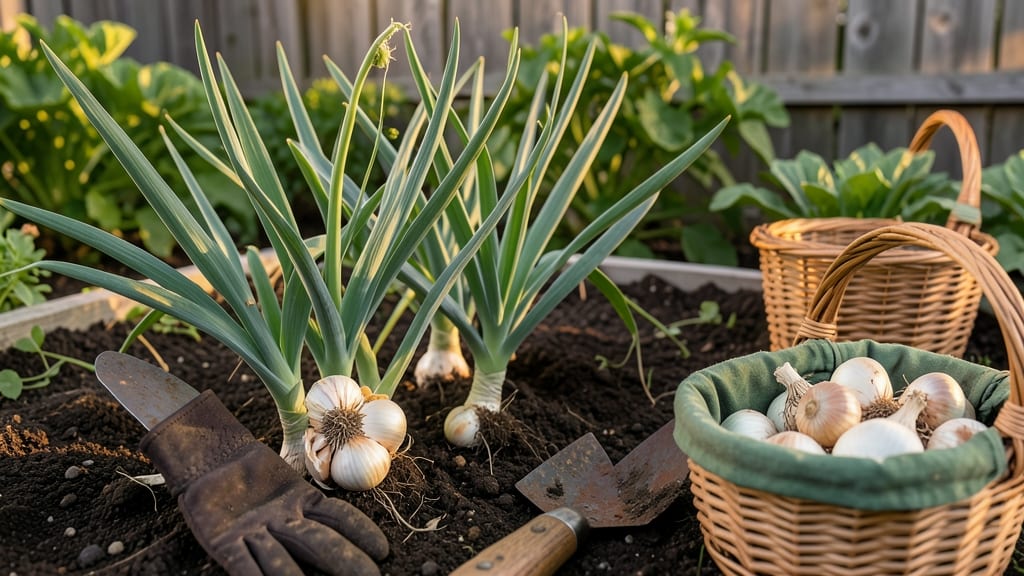
Harvesting garlic in Zone 8 at the right time means the difference between bold, flavorful bulbs and sad, shriveled cloves.
If you've ever pulled up garlic too early—only to find tiny, underdeveloped bulbs—or waited too long and ended up with moldy, split heads, you know the stakes. Zone 8’s mild winters and hot summers make timing critical, but the clues are there if you know where to look.
Here’s the secret: watch for three key signs—leaf browning, bulb firmness, and stem condition—that tell you exactly when to dig. Whether you’re growing hardneck or softneck varieties, these visual cues will help you avoid common mistakes and maximize your harvest.
Below, I’ll walk you through the exact steps to time your harvest perfectly, plus what to do once you’ve pulled those golden cloves from the soil.

3 Key signs your Zone 8 garlic is ready for harvest (before the leaves turn brown)
Harvesting garlic at the right moment in Zone 8 is all about reading your plants—not just waiting for the calendar. Unlike colder climates, Zone 8’s mild winters and long growing seasons mean garlic can mature faster, but timing is still critical.
Many gardeners wait until leaves turn brown, but by then, you’ve missed the peak flavor and storage quality. The secret is catching those subtle cues before the leaves fully brown, when bulbs are plump and skins are tight.
In my experience growing garlic in Zone 8’s heat, the biggest mistake is harvesting too late. Overripe garlic loses moisture, splits, and develops mold—especially in our humid summers. But harvesting too early means small, pungent bulbs that won’t store well.
The key is spotting these three reliable signs that your garlic is ready to dig, not just guess based on time alone.
- 1 Lower leaves turn brown and papery (not fully yellow or green). In Zone 8, this usually happens in late May to early June, but check plants weekly—don’t rely on dates.
- 2 Bulbs feel firm and round when gently squeezed. Press a bulb through the soil—if it’s the size of a golf ball or larger and resists squishing, it’s ready. Soft bulbs need more time.
- 3 Stems begin to flop over (a sign of maturity). This "flopping" happens when the bulb’s energy shifts from growth to storage. It’s your last chance to harvest before quality drops.
Let’s break down what these signs look like in real life. The lower leaves (not the top green ones) are the first to show readiness. They’ll start as a dull yellow-green, then crisp up into a brown, papery texture.
If you tug one gently, it should pull away easily—like dry tissue paper. This is your first warning that the bulb below is maturing.
Next, check the bulb size by carefully digging up one plant. In Zone 8, hardneck varieties like 'Music' or 'German White' will have bulbs the size of a ping-pong ball or larger by harvest time.
Softnecks like 'Silverskin' take longer but should still feel heavy for their size. If the bulb is smaller than a golf ball, it’s not ready—leave it in the ground for another week.
The stem condition is often the most overlooked clue. When garlic is ready, the scape (flower stalk) in hardnecks will dry out and fall over, and the entire plant may lean or "flop."
This isn’t a sign of disease—it’s the plant’s way of saying, "I’ve stored enough energy in the bulb!" If you see this, act fast, because bulbs can split or rot within days if left in the ground.
Here’s a pro tip for Zone 8 gardeners: Harvest on a dry, sunny day after the soil has warmed up. Wet soil can introduce mold, and hot afternoons help the bulbs dry faster. Use a fork or spade to loosen the soil around the plant, then lift gently.
Shake off excess dirt—don’t wash the bulbs yet! Let them cure in the sun for 3–4 hours before bringing them indoors.
One common mistake I see is waiting until all leaves turn brown. By then, the bulbs may have already started to sprout or mold, especially in Zone 8’s humidity.
The goal is to harvest when only the lower leaves are brown, leaving the top green leaves intact. These green leaves help the bulb dry properly during curing.
If you’re growing multiple varieties, check each one separately—they mature at slightly different rates. For example, hardnecks like 'Chesnok Red' often ripen first, while softnecks like 'California Early' lag behind by a week or two.
Keep a small notebook nearby to track which plants show the first signs of readiness.
Finally, remember that Zone 8’s heat accelerates garlic’s growth. What might take 8 months in cooler zones can happen in just 6–7 months here. Don’t set a rigid harvest date—trust your plants.
If you miss the window, you’ll know: the bulbs will split open or develop a musty smell. But when you nail the timing? You’ll have plump, flavorful garlic that stores beautifully until next summer.
Zone 8 harvest timing: when to dig based on planting month and variety
Zone 8 gardeners enjoy a longer growing season for garlic, but timing your harvest correctly depends on two key factors: planting month and whether you grew hardneck or softneck varieties.
Unlike colder zones, Zone 8’s mild winters and hot summers create a unique window where garlic matures faster but also risks bolting if left too late.
Hardneck varieties like ‘Music’ or ‘German White’ thrive in Zone 8 when planted in October-November, while softnecks like ‘Artichoke’ or ‘Silverskin’ can handle September-December plantings. The difference in harvest timing between these types can be as much as 4-6 weeks, so knowing your variety is critical.
| Planting Month | Variety Type | Harvest Window (Zone 8) | Key Sign |
|---|---|---|---|
| October | Hardneck | Late May - Early June | 50% lower leaves brown |
| November | Hardneck | Early June - Mid-June | Stems begin flopping |
| September | Softneck | Mid-June - Late June | Bulbs feel firm |
| December | Softneck | Late June - Early July | Paper skins tight |
For October-planted hardnecks, start checking for harvest readiness in late May—this is when Zone 8’s warming temperatures trigger bulb maturation. Look for 50% of lower leaves turning brown while the top leaves remain green.
If you planted in November, delay harvesting until early June to avoid the heat stress that can cause bulbs to split.
Softneck varieties planted in September will mature later due to their slower growth rate. Aim to harvest between mid-June and late June, focusing on bulb firmness rather than leaf color.
December-planted softnecks can wait until late June or early July, but don’t delay beyond mid-July or risk losing quality as summer heat intensifies.
Pro tip: In Zone 8’s heat, harvest on a cloudy day or early morning to prevent bulbs from drying out too quickly in the sun. After digging, let garlic cure in a dry, shaded area for 2-3 weeks before storing—this step is non-negotiable for long-term flavor and storage life.
Remember, Zone 8’s extended season gives you flexibility, but also means missed windows can lead to bolting (flowering) or shriveled bulbs. Mark your calendar now to avoid these common pitfalls!