
How To
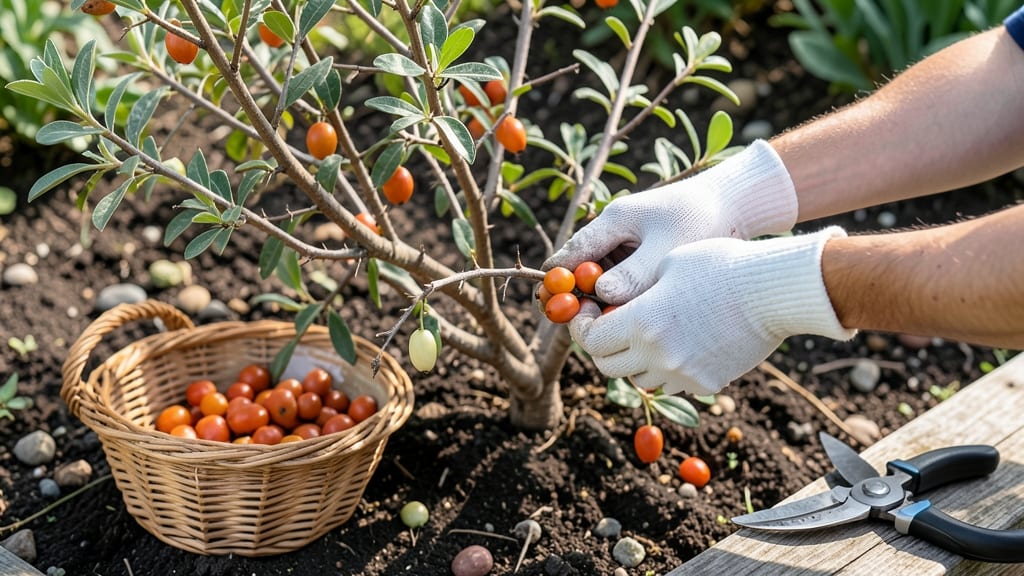
Harvesting goji berries at the right time turns tart little green pods into sweet, juicy treats 🍇 — and missing the window means bitter disappointment.
Picture this: you’ve waited all summer for your goji berries to ripen, only to pick them too early and taste that sharp, underripe kick. Or worse, leave them too long and watch them shrivel on the vine.
The difference between these two fates comes down to a simple color shift test and knowing when your berries are at their peak.
In Zone 6, that window typically opens in late August when the berries transition from green to a bright orange-red. But timing isn’t just about the calendar—it’s about watching for those telltale signs: plump texture, easy stem separation, and a slight give when you squeeze.
Ignore these cues, and you’ll miss the sweetest harvest of the season.
Below, I’ll walk you through the exact visual and tactile clues to harvest your goji berries at their prime, plus how to store them for maximum flavor—no guesswork required.

How to identify the perfect goji berry color for harvesting
Goji berries (Lycium spp.) undergo a dramatic color transformation from green to vibrant orange-red as they ripen. Mastering this color shift test ensures you harvest berries at their sweetest, most flavorful peak.
Unripe berries taste bitter and tart, while overripe ones can be mealy and lose their nutritional benefits. The key is recognizing the exact hue and texture that signals perfect ripeness.
Your goji berry harvest window typically falls between late August and October in most USDA zones, but this can shift slightly based on your local climate and variety. In cooler regions like Zone 6, berries may ripen later, while warmer climates like Zone 9 can see earlier harvests.
Paying attention to seasonal color progression helps you avoid missing the optimal harvest window.
The transition from green to orange-red is your primary indicator, but don't rely solely on color. A perfectly ripe goji berry will also feel plump and slightly yielding when gently squeezed between your fingers.
If it feels hard like a marble, it's not ready yet. Conversely, if it's mushy or wrinkled, it's past its prime. This texture test works hand-in-hand with the color shift to confirm ripeness.
Regional variations play a role in color progression. In warmer climates (Zones 8-10), berries may develop their bright orange-red hue as early as mid-August, while in cooler Zone 5 or colder, you might not see full ripeness until early October.
Keep a harvest journal to track your specific plant's color timeline over several years. This helps you anticipate the perfect harvest window for future seasons.
Morning is the best time to check your goji berries for ripeness. The cool temperatures reduce moisture loss, making the berries' true color more visible.
Avoid checking after rain or in direct afternoon sun, as these conditions can create a false appearance of ripeness by making berries look darker than they are. Always inspect clusters in natural daylight for the most accurate color assessment.
One common mistake is harvesting based on cluster maturity rather than individual berry ripeness. Not all berries on a single cluster will ripen at the same time. Use a pair of clean pruning shears to snip individual ripe berries while leaving unripe ones on the plant.
This selective harvesting technique extends your harvest season and ensures you're always picking at peak sweetness.
For organic growers, color can also indicate pest pressure. Berries affected by aphids or spider mites may develop irregular color patterns, like streaks or patchy hues. If you notice these signs, treat the plant with neem oil or insecticidal soap before harvesting.
Always inspect your berries for pests before eating or processing, as some insects can contaminate your harvest.
Once you've identified perfectly ripe berries, act quickly. Goji berries continue to ripen slightly after picking, but their flavor and texture degrade rapidly if left on the plant too long. Aim to harvest and process them within 24-48 hours for the best results.
If you're drying berries for long-term storage, spread them out in a single layer on a clean, dry surface in indirect sunlight to preserve their vibrant color and sweet flavor.
Pro tip: Place a white cloth or tray beneath your goji berry plants when harvesting. The berries' bright colors stand out against the light background, making it easier to spot perfectly ripe ones among the unripe.
This simple trick saves time and reduces the chance of missing your optimal harvest window. With practice, you'll develop an eye for the exact hue and plumpness that signals peak ripeness.
5 Signs your goji berries are ready to pick (beyond color)
While bright orange-red color is the most obvious cue, goji berries reveal subtle clues that perfect your harvest timing. These 5 hidden signs ensure you pick berries at peak sweetness—before they lose flavor or shrivel on the vine.
Overlooking these details often leads to tart, underripe or mealy, overripe berries that ruin teas and recipes.
Color alone isn’t foolproof—some berries stay orange but never ripen fully. I’ve learned to combine visual cues with texture tests and berry behavior to guarantee the sweetest harvest. Trusting just one method can mean missing the 3-day window when berries transition from perfect to past-their-prime.
🌱 5 Signs Your Goji Berries Are Ready
- 🍇 1. Stem Separation Test: Berries easily twist off with minimal resistance—no need to force them. A slight popping sound confirms maturity.
- 💧 2. Texture Shift: Ripe berries feel firm but slightly yielding—like a juicy grape. Overripe ones feel mealy or hollow when squeezed.
- 🍯 3. Sweet-Tart Taste: A quick taste test (yes, really!) reveals balanced sweetness. Underripe berries taste sour or bitter; overripe ones lose sweetness entirely.
- ✂️ 4. Uniform Size: Berries reach 1–1.5 inches long and consistent diameter. Smaller clusters mean delayed harvest; larger ones may split.
- 🌿 5. Cluster Maturity: 80% of berries in a cluster show color change. Wait for the last 20% to catch up—harvesting early leaves sweetness behind.
One mistake I made early on? Harvesting by color alone led to half-ripe berries that turned mushy in storage. The stem separation test saved my next batch—now I never pick berries that resist twisting. This method works even for greenhouse-grown berries where sunlight varies.
Berry size consistency is another game-changer. I once harvested a cluster where half were plump and half were shriveled—a sign of uneven watering.
Since then, I water deeply every 7–10 days to ensure uniform ripening. Drought stress causes berries to split or stay small, while overwatering dilutes sweetness.
For taste testing, I recommend trying 3–5 berries from different clusters. If they’re too tart, wait 2–3 days—goji berries ripen fastest in full sun with warm temps (75–85°F). In cooler climates (like Zone 5), ripening slows, so check berries weekly starting in late August.
Pro tip: Harvest on dry, sunny mornings to avoid mold risk from dew. Use clean pruners or scissors to snip stems—twisting berries off can damage the plant. Store freshly picked berries in paper bags in the fridge for up to 5 days before drying or using them.