
How To
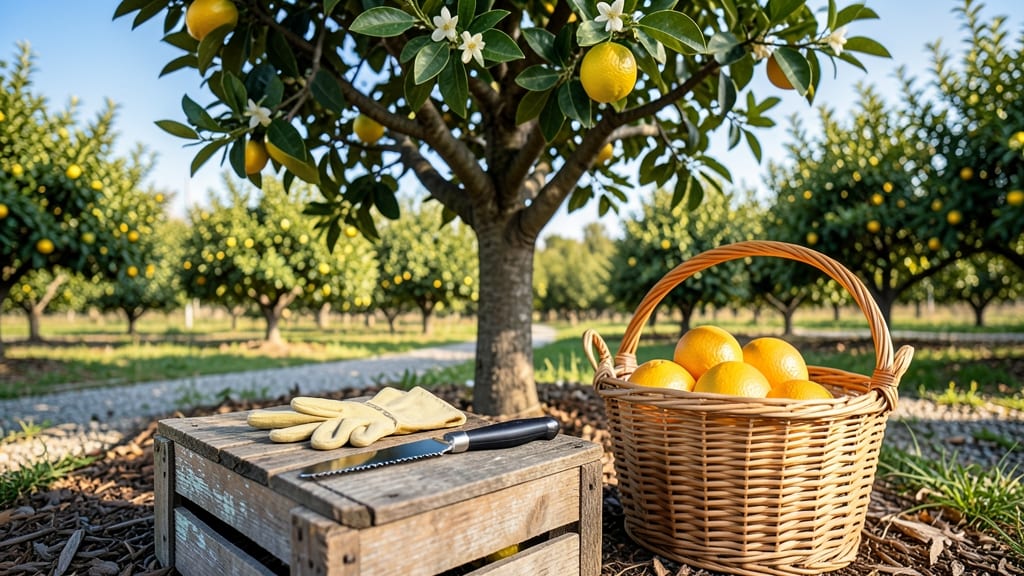
Harvest grapefruit when the fruit shifts from green to deep yellow, orange, or pink 🍊 — the moment that separates sweet, juicy perfection from bitter disappointment.
Picture this: you twist a grapefruit from the tree, and it releases with a faint pop. That’s your cue—unless you’re in Florida, where the timing can shift by weeks compared to California’s cooler winters. One wrong move, and you’re left with seedy, underripe fruit that tastes like lemon-lime soda.
Don’t rely on size alone. A grapefruit might look ripe but still be hard or hollow-sounding when tapped. The real test? A gentle squeeze should yield just enough give—like a ripe avocado. Too soft? It’s overripe. Too firm? Wait a week and check again.
Below, I’ll walk you through the exact color, texture, and taste tests to nail your harvest, plus how climate zones (like USDA 9b) change the best months to pick—because timing isn’t just about color, it’s about flavor.

How to identify grapefruit ripeness by color and texture
Grapefruit ripeness isn't just about guessing—it's about observing three key visual and tactile cues. The color shift from green to yellow, pink, or deep orange signals maturity, while the thump test and stem resistance confirm readiness.
These methods work across Florida's humid climate, California's dry valleys, and Mediterranean coastal regions, though timing varies by USDA zone.
First, check the fruit's base color. Most grapefruit varieties turn from solid green to vibrant yellow (like 'Ruby Red') or pinkish hues (like 'Pink Grapefruit').
In Florida's heat, this shift happens by late October to December, while California's cooler inland areas see ripening stretch into January or February. Mediterranean climates may extend harvests into early spring.
Next, perform the thump test: tap the fruit gently with your knuckle. A ripe grapefruit sounds solid and dense, while an underripe one feels hollow or dull.
Overripe fruit may feel mushy or give slightly when pressed. This test works best when the fruit is cool to the touch, typically in morning hours.
Stem resistance is your third clue. Gently twist the stem—if it detaches cleanly with slight pressure, the grapefruit is ready. A stem that resists or snaps means it's not ripe yet. In humid Florida, stems may detach earlier due to faster ripening, while California's drier air keeps stems firmer longer.
| Sign | Florida (Zone 9b) | California (Zone 9a) | Mediterranean (Zone 10a) |
|---|---|---|---|
| Peel Color | Yellow/pink (Oct-Dec) | Yellow/orange (Nov-Feb) | Pink/yellow (Oct-Mar) |
| Thump Test | Solid, no hollow sound | Dense, slight give | Firm, crisp |
| Stem Resistance | Detaches easily | Twists off cleanly | Separates smoothly |
| Weight | Heavy for size | Feels dense | Solid, not light |
| Best Harvest Time | Morning (cooler temps) | Late morning (avoid heat) | Early morning (dewy) |
For Ruby Red grapefruit, aim for a deep yellow-orange hue with no green patches. White grapefruit should turn creamy yellow and feel slightly softer than Ruby Reds.
In Mediterranean climates, where winters are mild, grapefruit may ripen earlier (September-October) due to longer daylight hours and warmer nights.
Regional microclimates matter: Florida's coastal areas ripen grapefruit 2-3 weeks earlier than inland zones due to higher humidity. Meanwhile, California's Central Valley may see delayed ripening in cooler years. Always adjust your harvest window by 1-2 weeks based on your local average last frost date.
Pro tip: Harvest in the morning when temperatures are below 75°F to preserve flavor and texture. Use pruning shears or a sharp knife to avoid damaging the tree, leaving 1-2 inches of stem attached.
Store harvested grapefruit in a cool, shaded spot (not refrigerated) for up to 2 weeks to maintain sweetness.
Watch for overripe signs: wrinkled skin, a fermented smell, or a mushy texture. These indicate the fruit has broken down internally and lost flavor. If you spot these, compost the fruit immediately to avoid spreading disease to other trees.
Finally, taste test one grapefruit from each cluster to confirm ripeness. The flesh should be juicy, slightly sweet, and free of bitterness. If it tastes seedy or overly tart, wait 3-5 more days before harvesting the rest.
The taste test: how to avoid bitter grapefruit (and when to wait)
Nothing ruins a homegrown grapefruit like that bitter punch—especially when you've waited months for sweet rewards. The secret? A 3-step taste test that combines sight, touch, and taste to nail the perfect harvest window.
I've learned the hard way that underripe fruit tastes like lemon-lime soda, while overripe grapefruit turns mushy and seedy. Let's fix that.
Start by examining the peel color—this is your first clue. Ruby Red grapefruit should shift from dull green to a deep ruby-red blush, while White grapefruit turns bright yellow with a slight orange tint near the stem.
Pink grapefruit develops a soft pink hue on the sun-exposed side. If the color change is uneven, wait 5-7 more days—especially in cooler climates where ripening slows.
⚠️ callout-warning ⚠️
Peel Test: If your grapefruit still has green patches or feels soft when pressed, it's not ready. Stem Test: Twist gently—if it doesn't separate cleanly, wait 1-2 weeks. Temperature Tip: Below 60°F slows ripening by 30%, so adjust your timeline in cooler zones (like Zone 8a).
Pro Tip: Harvest in the morning when sugars are highest and acids lowest.
Next, perform the thump test—gently squeeze the grapefruit. A ripe one should feel firm but slightly yielding, like a ripe avocado. If it's too hard, it's underripe; if it feels mushy, it's overripe. Pro tip: Hold the grapefruit in your palm and tap it lightly—it should sound solid, not hollow. This trick works best with Ruby Red varieties, which are more prone to uneven ripening.
Now for the final taste test: Cut open a sample grapefruit. The flesh should snap back when pressed (not collapse). Look for even color—no green streaks—and minimal seeds (a sign of maturity). Take a bite: Sweetness should outweigh tartness, and the juice should flow easily.
If it tastes overly bitter or dry, your grapefruit needs 7-10 more days on the tree. In my Florida garden, I often wait until mid-January for peak sweetness.
Temperature plays a huge role in ripening speed. In Zone 9b, grapefruit ripen faster (3-4 weeks) due to warm winters, while in Zone 8a, they may take 6-8 weeks to reach peak flavor.
If your area experiences unseasonal heat waves (like 90°F+ in summer), ripening can accelerate by 20%, so check fruit weekly during heat spikes. Store unripe grapefruit in a cool, shaded spot (not the fridge) to slow ripening—this buys you 10-14 extra days to monitor progress.
Remember: Patience is key. I once harvested a batch of grapefruit that looked perfect but tasted like soapy lemonade—turns out, they needed another 2 weeks on the tree. Now, I wait until the fruit is 90% colored and passes all three tests before picking.
With practice, you'll train your senses to recognize that perfect balance of sweetness and tartness that makes homegrown grapefruit worth the wait. 🍊