
Vegetables
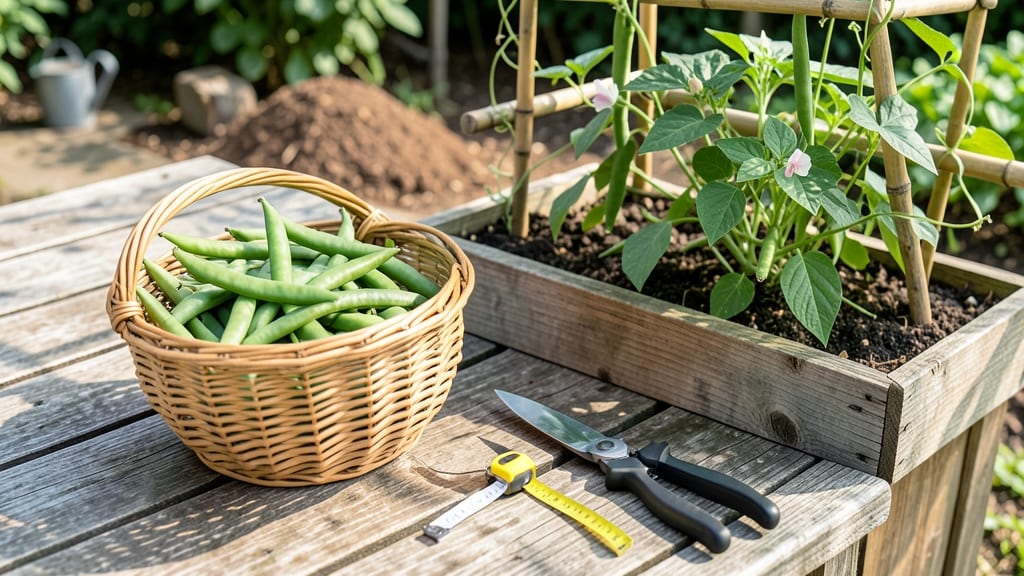
Harvesting green beans at the right time ensures crisp, flavorful pods 🌱—wait too long, and you’ll end up with tough, stringy disappointment.
Picking green beans at the wrong time can turn your crisp, flavorful harvest into tough, stringy disappointment—but timing it perfectly ensures a bounty of tender pods perfect for snapping, sautéing, or freezing.
Most varieties are ready 50-60 days after planting, when pods reach 4-6 inches long and snap easily when bent. Bright green color and firmness are key signals, while visible (but not fully developed) seeds mean peak flavor.
Below, I’ll walk you through the snap test method, how to adjust harvesting frequency for bush vs. pole beans, and common mistakes that ruin texture—so you can keep your plants producing all season.


The perfect green bean harvest time: when size and color signal readiness
Green beans are at their peak when harvested at the right moment—too early, and you’ll get tiny, bitter pods; too late, and they’ll turn tough and stringy. The key lies in watching three critical signals: pod size, color, and seed development.
Mastering these cues ensures you enjoy beans that are crisp, tender, and packed with flavor every time you pick them.
Most green bean varieties reach ideal harvest size between 4 to 6 inches in length. This range works for popular types like Bush Blue Lake, Roma, and Contender.
If you wait too long, the pods will stretch beyond 7 inches, becoming woody and fibrous. The color should be a vibrant, even bright green—any yellowing or dullness signals overmaturity.
| Variety | Ideal Size | Color | Seed Stage | Days to Harvest |
|---|---|---|---|---|
| Bush Blue Lake | 4-6 inches | Bright green | Visible but small | 50-55 days |
| Roma | 5-7 inches | Deep green | Visible, not filling pod | 55-60 days |
| Contender | 3-5 inches | Bright green | Tiny seeds | 45-50 days |
| Pole Beans | 5-6 inches | Vibrant green | Visible seeds | 55-65 days |
Inside the pod, seeds should be visible but not fully developed. If you can see them clearly but they aren’t pressing against the pod walls, it’s time to harvest. Overripe beans will have seeds that fill the pod completely, making the beans tough and less flavorful.
Check the pods every 2-3 days during peak production to catch them at the perfect stage.
For pole beans, which grow vertically on trellises, the pods often mature slightly later than bush varieties. Aim for pods that are 5-6 inches long and still bright green.
If left unchecked, pole beans can produce pods that are too long and fibrous, so regular harvesting is key to encouraging continuous production.
Color is another critical clue. A bright, even green means the beans are fresh and ready to eat. Any yellowing or brown spots indicate the beans are past their prime.
If you notice these signs, harvest immediately—even if the size isn’t perfect—or the beans will become inedible. Varieties like Bush Blue Lake should never develop any discoloration before harvest.
One common mistake is waiting until the pods are too large. Once they exceed 6-7 inches, they’ll be tough and stringy, no matter how fresh they look. The texture is your best friend here: press a pod gently with your thumb.
If it feels firm with a slight give, it’s ready. If it’s hard or bends instead of snapping, it’s overripe.
Harvesting at the right time also encourages your plants to produce more beans. When you pick regularly, the plant focuses its energy on growing new pods instead of letting old ones overmature.
This is especially true for bush beans, which produce all their beans at once. For pole beans, continuous harvesting can extend the harvest season by weeks.
If you’re unsure, use the "snap test": hold a pod near the stem and bend it gently. A ripe bean will snap cleanly with a slight crackling sound.
If it bends without snapping or feels mushy, it’s not ready. This simple test takes seconds and ensures you only pick beans at their best.
Regional variations can slightly affect harvest timing. In warmer climates, beans may mature faster, while cooler areas might see a delayed harvest. Always adjust your expectations based on your local growing conditions.
With practice, you’ll develop an eye for the perfect green bean—and your garden will thank you with a bountiful, flavorful harvest.
The snap test method: how to check bean tenderness before harvesting
Mastering the snap test is my secret weapon for harvesting green beans at peak tenderness. This simple technique lets you feel—and hear—the perfect moment to pick, ensuring crisp, string-free pods every time.
Unlike guessing by size or color, the snap test gives you instant feedback about pod maturity, so you can avoid the common mistake of harvesting too late and ending up with tough, woody beans.
The snap test works by gently bending a pod over your thumb to test its structural integrity. A properly timed bean should break cleanly with a satisfying sharp snap, not a dull crack or a bend that signals underripeness.
This method is especially useful for bush beans and pole beans, which mature at slightly different rates and require different harvesting frequencies.
⚠️ callout-warning
If you wait too long, green beans develop thick skins and woody fibers, ruining their texture. The snap test helps you avoid this by catching pods at their ideal tenderness—when they're 4-6 inches long and bright green. For pole beans, check pods every 2-3 days; bush beans can wait 3-4 days between harvests.
To perform the test, pick a middle-sized pod (around 4-5 inches) and hold it near the stem. Gently bend it over your thumb—if it snaps cleanly with a crisp sound, it's ready to harvest.
If it bends without breaking, it's still too young; if it cracks with resistance, it's overripe. Repeat this test on 3-5 pods to confirm consistency across your plants.
Adjust your harvesting frequency based on variety. Pole beans, like Kentucky Wonder, produce continuously and need daily checks during peak season, while bush beans, such as Blue Lake, can be harvested every 2-3 days.
Pay attention to your plants' growth rate—hotter weather speeds up maturity, so you may need to harvest more frequently in July and August.
Pro tip: Harvest in the morning when pods are cool and crisp. This ensures the best flavor and texture, and it also encourages your plants to produce more pods.
Keep a small basket nearby while working to avoid dropping beans, and always use sharp scissors or pruning shears to snip stems cleanly—this prevents damage to the plant and promotes faster regrowth.
Once you've mastered the snap test, you'll never second-guess your green bean harvest again. This method saves time, reduces waste, and guarantees a steady supply of fresh, tender pods all season long.
The key is consistency—check your plants regularly, and you'll enjoy a continuous harvest of beans that are perfect for snapping, steaming, or freezing. 🌱