
How To
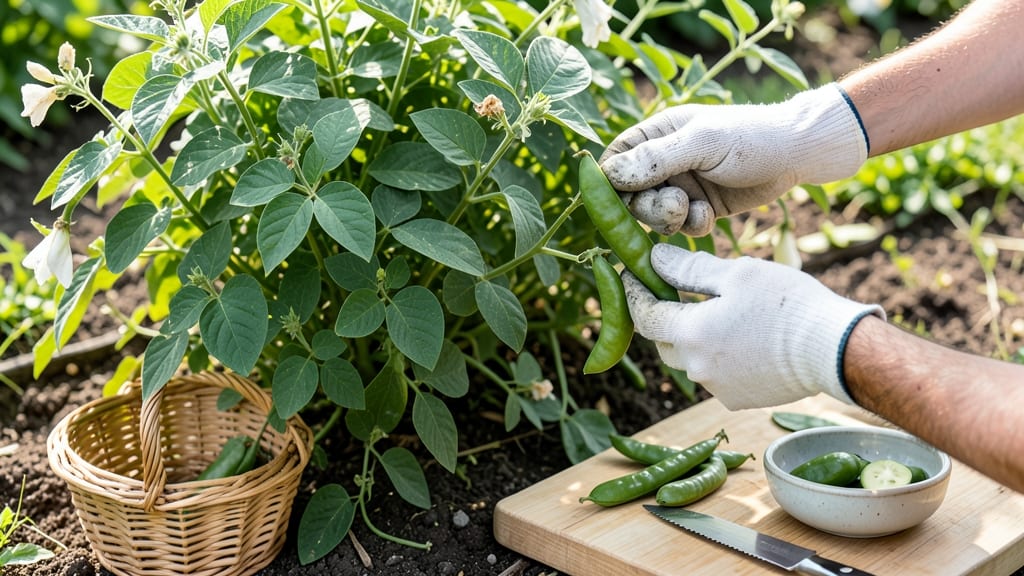
Harvesting kidney beans at the right time means the difference between tender, flavorful pods and tough, dry ones — and it all comes down to 80 to 100 days after planting 🌱.
Picture this: you’ve nurtured your kidney beans all summer, and now the pods are turning brown and cracking open naturally. That’s your cue to act fast — because waiting just a few more days can turn your harvest into a meal of leathery, unappetizing beans.
But how do you know exactly when to pick? It’s not just about days on the calendar. The color, size, and firmness of the pods all play a role, and environmental factors like temperature and growing conditions (container vs. ground) can shift that window.
Below, I’ll walk you through the visual cues to watch for, the best tools to use, and how to store your harvest so you can enjoy those fresh, homegrown beans all season long.

How to identify the perfect harvest time for kidney beans
Timing is everything when harvesting kidney beans. If you pick them too early, they’re underdeveloped and bland; too late, and they turn tough or shatter open.
The key lies in watching for visual cues like pod color, size, and texture—all signs your beans are ready for harvest. I’ve learned that mastering this skill means the difference between a flavorful harvest and wasted effort.
Kidney beans typically reach harvest readiness 80–100 days after planting, but this varies based on your climate and variety. For example, in Zone 6a, I usually start checking pods in late July if planted in early May.
Pay attention to your plants’ growth stages—plant height and pod development are your best guides.
Here’s the critical visual checklist: pods should be 4–6 inches long, a deep green color, and firm yet slightly tender to the touch. If the pods feel rubbery or the seeds inside are large and filling the pod, you’ve missed the window. The goal is to harvest before the pods turn yellow or brown or start cracking open naturally.
One trick I’ve found helpful is to harvest every 2–3 days once pods start forming. This encourages the plant to produce more beans and keeps them at peak tenderness. Use sharp pruning shears or your hands to avoid damaging the vines.
Always twist pods gently to snap them cleanly at the stem—this prevents tearing and keeps the plant healthy for future harvests.
If you’re growing bush beans (dwarf varieties), they’ll mature slightly faster than pole beans, which can climb 5–8 feet tall. For bush beans, check pods around 60–70 days, while pole beans may take up to 100 days.
Keep an eye on the plant’s overall health—wilting or yellowing leaves can signal stress, which might delay maturity.
Temperature also plays a role. In hot climates, pods may mature faster, so monitor them closely. In cooler areas, extend the season by planting successive crops every 2 weeks.
I’ve had success with container gardening in short seasons—just ensure pots are at least 12 inches deep and provide trellises for pole varieties.
Pro tip: Harvest in the morning when pods are cool and crisp. This is when they’re at their peak flavor and texture. Store freshly picked beans in the fridge for up to 5 days or blanch and freeze them for long-term storage.
For drying seeds, let pods fully mature on the plant until they turn brown and brittle.
Don’t let the fear of missing the harvest window hold you back. With practice, you’ll develop an eye for the perfect kidney bean—one that’s tender, flavorful, and ready to enjoy. Start checking your plants 2 weeks before the expected maturity date, and you’ll never miss a beat.
Signs you’re harvesting too early or too late (and how to fix it)
Harvesting kidney beans at the wrong stage can ruin their tender texture and nutty flavor. Overripe beans turn tough and dry, while underripe ones stay bland and stringy. Let’s fix these common mistakes with clear visual cues and actionable tips.
First, check the pod size. If your kidney beans are still smaller than 3 inches, they’re not ready—harvesting early means underdeveloped seeds and poor flavor. On the flip side, pods that are 6+ inches long or turning yellow/brown are overripe, leading to woody texture and shriveled seeds.
🚨 callout warning 🚨
⚠️ Overripe Kidney Beans Warning
Pods cracking open or seeds bulging inside = too late. These beans lose moisture fast and develop a bitter taste. Fix it: Harvest every 2–3 days once pods reach 4–6 inches to catch them at peak tenderness.
Pro Tip: Snap a pod—if it snaps cleanly, it’s ready. If it bends without breaking, wait 1–2 days.
Next, examine the pod color. Ideal kidney beans should be deep green, not pale or yellowing. A firm yet slightly yielding feel under gentle pressure confirms readiness. If pods feel rubbery or spongy, they’re past their prime and will lose flavor quickly after harvest.
For container-grown beans, timing shifts slightly due to limited root space. Harvest pods 1–2 days earlier than in-ground plants—they mature faster in pots. Always check the seed size: if seeds fill more than half the pod, you’ve missed the window for tender beans.
Adjust your harvest schedule based on plant height. Tall varieties (like ‘King of the North’) take 90–100 days to mature, while bush types (like ‘Henderson’) mature in 70–80 days. Mark your planting date and set reminders to harvest every 2–3 days during peak production.
Store harvested beans in a cool, dark place for 3–5 days max to preserve freshness. Overripe beans can be dried for storage, but their texture and flavor won’t match fresh-picked pods. Next season, prune plants lightly to improve airflow and extend harvest time by 1–2 weeks. 🌱