
How To
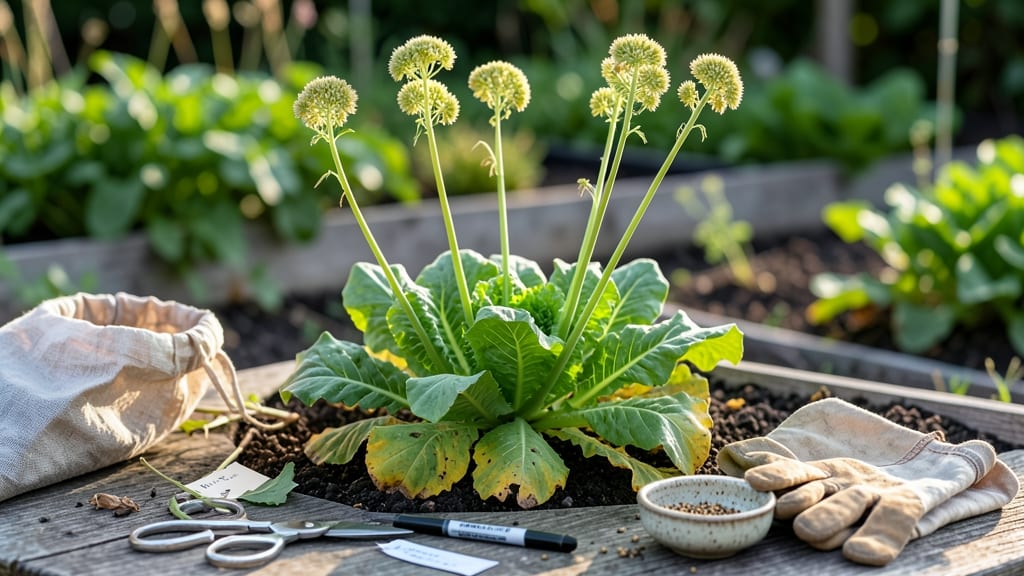
Harvesting lettuce seeds at the right time turns your garden’s end-of-season 🥬 into a free resource for next year’s crop.
If you’ve ever grown lettuce only to watch it bolt and go to seed, you’re missing a golden opportunity—lettuce seeds are a free, nutrient-rich resource for gardeners. But timing is everything. Harvest too early, and you’ll waste potential; too late, and the seeds lose viability.
This is where the stem snap test comes in: a simple, zero-waste trick to tell you exactly when those seed heads are ready. No guesswork, no wasted effort—just a gentle twist and a satisfying crack to confirm you’re harvesting at peak viability.
Below, I’ll walk you through the exact signs to watch for, how to collect seeds without damaging the plant, and what to do with them once they’re in hand.
Whether you’re saving seeds for next season or just curious about the process, this is your step-by-step guide to never wasting a single seed again.

How to identify the perfect lettuce seed harvest time using the stem snap test
Lettuce plants bolt and produce seed stalks when stressed by heat or maturity. These flowering stalks are your ticket to free, homegrown seeds—but only if you harvest them at the right moment. The stem snap test is a gardener’s secret weapon for determining peak seed maturity without guesswork.
This tactile method ensures you collect seeds when they’re viable and ready for storage, avoiding the pitfalls of underripe or overripe seeds.
Before diving into the snap test, focus on visual cues like dry, brown seed heads and tapered flower stalks. These signs show the plant has completed its reproductive cycle.
However, visuals alone can be misleading—especially in humid conditions where seed heads might look mature but aren’t. That’s where the stem snap test comes in—it’s your backup for accuracy, especially in dry, sunny weather, the ideal condition for seed harvesting.
Step-by-Step Stem Snap Test for Lettuce Seeds
- 1 Wait for seed heads to dry: Harvest only when seed pods turn brown and papery. Avoid green or partially dry pods—they won’t yield viable seeds.
- 2 Pick a dry, sunny day: Humidity can trick you into thinking seeds are ready. Choose a clear morning with low humidity for the most accurate test.
- 3 Grasp the stalk firmly: Hold the flower stalk near the base where it meets the main stem. Use your thumb and forefinger to apply steady pressure.
- 4 Snap the stalk deliberately: Apply a quick, firm bend until the stalk snaps cleanly. If it breaks with a crisp sound and the top falls off easily, the seeds are ready to harvest.
- 5 Check for resistance: If the stalk bends without snapping or feels squishy, wait 2-3 more days—the seeds need more time to mature.
- 6 Collect seeds immediately: Once snapped, place the seed head in a paper bag to dry completely indoors. Avoid plastic bags—moisture will ruin your seeds.
Avoid harvesting seeds if the flower stalks are still green or flexible. Green stalks indicate the seeds aren’t mature enough, and you’ll end up with low germination rates. Similarly, if the stalks are brittle and crumbly, the seeds may have lost viability from overripeness.
The snap test bridges this gap, giving you a tactile confirmation that’s harder to misjudge.
Timing your harvest also depends on lettuce variety. Loose-leaf types like Buttercrunch or Romaine bolt faster than head lettuce varieties like Iceberg. Monitor your plants closely—some varieties may take 60-75 days from seed to seed maturity, while others bolt in as few as 45 days under stress.
Keep a gardening journal to track which varieties mature fastest in your climate zone.
Pests like aphids or cabbage moths can also disrupt seed development. If you notice chewed seed heads or sticky residue (aphid honeydew), treat the plant with neem oil or insecticidal soap before harvesting.
Infested seeds won’t store well and may introduce diseases to your next crop. Always inspect stalks for signs of damage before performing the snap test.
Once you’ve confirmed maturity with the snap test, let the seed heads dry indoors for 7-10 days in a well-ventilated area. Spread them on brown paper bags to catch falling seeds. Shake the heads gently every few days to encourage seed release. Store the dried seeds in <
Lettuce seed harvesting methods: stem snap test vs. manual collection
When your lettuce plants bolt and send up tall flower stalks, it’s time to decide between two harvesting methods. The stem snap test is a zero-waste, efficient technique for large garden patches, while manual collection offers gentler control for small-scale gardeners.
Each method has distinct advantages depending on your garden size and seed-saving goals.
The stem snap test works by identifying mature seed heads through a simple tactile check. Gently grasp the flower stalk near the base and bend it—if it snaps cleanly, the seeds are ready.
This method minimizes plant damage and maximizes yield, making it ideal for gardeners with large lettuce patches or those prioritizing efficiency.
Lettuce Seed Harvesting Methods
Stem Snap Test
- ✅ Zero-waste: Harvests entire stalk
- ✅ Efficient: Ideal for large patches
- ✅ Max yield: Captures all mature seeds
Cons
- ❌ Less precise: May include immature seeds
- ❌ Requires dry weather: Humidity affects snap test
Manual Collection
- ✅ Gentler: Preserves plant structure
- ✅ Precise: Selects only mature seed heads
- ✅ Small-scale friendly: Perfect for containers
Cons
- ❌ Time-consuming: Slower for large areas
- ❌ Risk of damage: Overhandling can break stalks
For the stem snap test, you’ll need paper bags (to prevent seed loss), pruning shears (for clean cuts), and gardening gloves (to protect your hands). After snapping the stalk, place it in a bag and label it with the lettuce variety and harvest date.
This method is best performed on dry, sunny days when seed heads are fully mature but before they scatter naturally.
Manual collection, on the other hand, involves carefully plucking individual seed heads once they turn brown and papery. Use scissors or fingers to avoid damaging the stalk, and place seeds directly into breathable paper bags.
This method is gentler on the plant and allows you to harvest seeds at their peak viability, but it’s less efficient for large garden beds.
To maximize your seed yield, harvest in the morning after dew has dried and avoid wet conditions. Whether you choose the snap test or manual plucking, always allow seeds to dry completely (1-2 weeks) in a well-ventilated area before storage.
Proper drying prevents mold and ensures long-term viability for your next planting season.
For small-scale gardeners, manual collection might feel more intuitive, while the snap test is a game-changer for those with large lettuce patches. Both methods yield high-quality seeds—it’s all about what fits your gardening style and goals. Experiment with both to see which works best for your space!