
How To
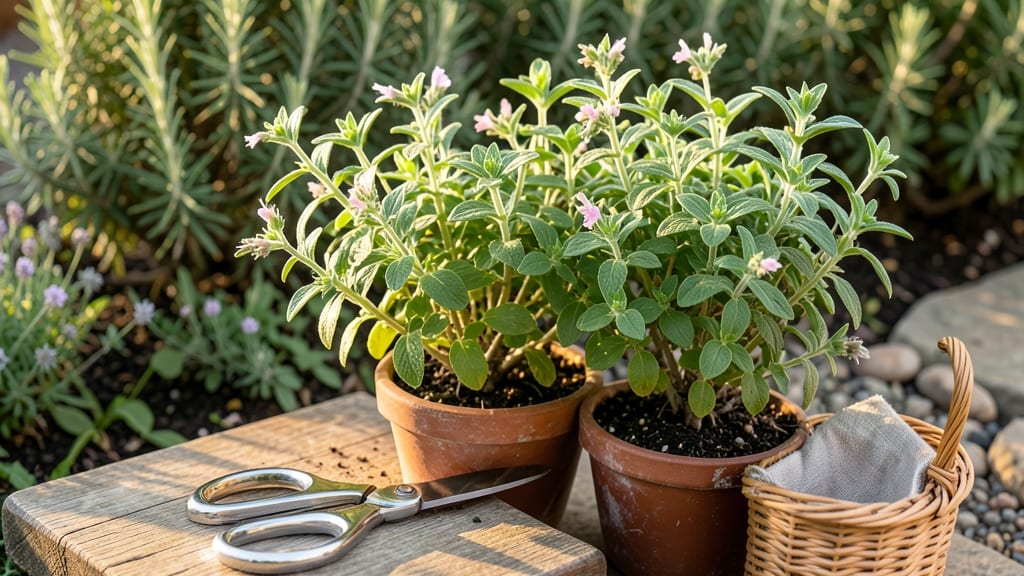
Harvesting oregano for drying happens at the perfect moment—when bud clusters turn grayish-green and the plant’s essential oils peak in potency.
Picture this: you’ve nurtured your 🌿 oregano all season, and now it’s time to lock in that bold, earthy flavor before the plant shifts its energy to flowering. Miss this window, and you’ll end up with bitter, weak herbs that lose their signature Mediterranean punch.
The key is catching it just right—before the stems harden but after the leaves are fully mature.
This isn’t just about timing; it’s about understanding the plant’s signals. We’re talking late summer to early fall in most climates, but the real magic happens when you spot those grayish-green buds, a sign the oils are concentrated and ready for drying.
Too early, and the flavor won’t develop fully; too late, and you’ll sacrifice potency for seed production.
In this guide, I’ll walk you through the 3 key visual signs your oregano is ready, the best time of day to harvest for maximum flavor, and how to avoid common mistakes that turn your dried oregano into a flavorless disappointment. Let’s make sure every pinch packs a punch.

3 Key visual signs oregano is ready for drying harvest
Harvesting oregano at the right moment ensures your dried herb retains its bold Mediterranean flavor and aromatic potency. The difference between peak harvest and missed opportunity often comes down to three visual cues most gardeners overlook.
I’ve learned the hard way—skipping these signs means bitter, weak oregano that loses its signature punch during drying.
First, let’s clarify what we’re aiming for: fully mature leaves with maximum essential oil content. These oils give oregano its signature taste, and they peak just before flowering.
When you miss this window, your dried oregano will taste flat and lack the complexity that makes it so versatile in cooking—though we’re focusing on gardening here, not the kitchen!
Here’s the game-changer: bud clusters turning grayish-green is your first visual alert. This subtle color shift indicates the plant is shifting energy from growth to seed production—a perfect time to harvest before flavor diminishes. Pair this with two other unmistakable signs, and you’ll never second-guess your harvest timing again.
🌿 Your Oregano’s Harvest Readiness Checklist
-
1
Bud Clusters Turn Grayish-Green
Look for flower buds shifting from pale green to grayish-green. This signals peak essential oil production—harvest within 3-5 days to lock in flavor. -
2
Leaves Are Fully Open and Aromatic
Crush a few leaves—if they release a strong, pungent scent (not just mild), they’re ready. Small, tightly packed leaves mean wait longer; large, flat leaves mean harvest now. -
3
Stems Feel Woody but Flexible
Run your thumb along a stem—it should feel slightly woody (not hard like a pencil) but still bend without snapping. Tender stems = not ready; hard stems = past prime.
Pro Tip: Harvest on a dry, sunny morning after dew has evaporated. This preserves oil potency and prevents mold during drying. ✂️
Let’s break down why these signs matter. The grayish-green bud clusters are your first warning that the plant is shifting resources toward seed production. At this stage, the leaves contain the highest concentration of carvacrol and thymol—the compounds responsible for oregano’s distinct flavor.
If you wait until buds fully bloom, those compounds degrade, leaving you with a milder, less aromatic herb.
Next, pay attention to leaf texture and aroma. Fully mature oregano leaves should be flat, broad, and deeply aromatic. When you crush them between your fingers, you should detect that unmistakable earthy, slightly peppery scent.
If the aroma is weak or non-existent, your plant isn’t ready yet. I once harvested oregano that smelled like grass—turns out, I’d waited too long, and the flavor was ruined.
The stem’s woody texture is often the most overlooked clue. A ready-to-harvest stem should feel firm to the touch but still flexible. If it snaps easily, the plant is too young. If it’s hard as a pencil, you’ve missed the boat.
This texture indicates the plant has reached its optimal growth stage without becoming woody and unproductive. Think of it as the plant’s way of telling you, “I’m at my peak—take me now!”
Here’s a common mistake I see: gardeners harvest oregano when it’s just a few inches tall. While young oregano is edible, it lacks the complexity and depth of flavor you want in dried herbs.
Young leaves are tender and mild, but mature leaves pack a punch. For drying, you’re aiming for height between 12-18 inches, with multiple sets of fully developed leaves per stem.
One more critical detail: avoid harvesting after the first frost. Cold temperatures cause the plant’s essential oils to break down, leaving you with bitter, flavorless oregano. In USDA Zone 6a (like where I garden), that means wrapping up harvests by late September.
If you’re in a warmer zone, you might have a few extra weeks—but always check the forecast for unseasonably cold snaps.
Once you’ve confirmed all three signs, it’s time to harvest. Use clean, sharp pruning shears to cut stems just above a leaf node. This encourages the plant to branch out, giving you a bushier, more productive oregano plant for future harvests.
Bundle the cut stems and hang them upside down in a well-ventilated, dark, dry place to dry. Within 2-3 weeks, you’ll have fragrant, flavorful oregano ready for storage.
Remember, the goal is to preserve that Mediterranean punch you fell in love with when you first planted your oregano. By watching for these three visual cues, you’ll ensure every batch of dried oregano you harvest is bold, aromatic, and worth the effort.
Now, grab those shears and get harvesting—your kitchen (and your garden) will thank you! 🌱
Best time of day and season to harvest oregano for maximum flavor
Harvesting oregano at the right time of day and season is the secret to unlocking its boldest flavors. The essential oils that give oregano its signature taste peak under specific conditions—typically when the plant is fully mature but hasn’t yet flowered.
In my experience, timing this window means the difference between potent, aromatic dried oregano and something bland and weak.
For most climates, the ideal season to harvest oregano for drying is late summer to early fall, just before the first frost. This aligns with August through September in USDA Zone 6a and similar regions.
However, if you’re in a warmer zone, you might extend this window into October. The key is to harvest before the plant’s energy shifts toward seed production, which can make the leaves bitter.
Now, let’s talk about the time of day that preserves the most flavor. Morning harvests—between 6 AM and 9 AM—are my top recommendation. This is when the essential oils are at their highest concentration, thanks to overnight dew evaporation and the plant’s natural metabolic processes.
Harvesting in the evening can leave residual moisture on the leaves, which can lead to mold during drying.
Here’s a quick reference for the best conditions to harvest oregano for drying, tailored to your climate and garden setup:
If you’re in a cooler climate, like the Pacific Northwest, you might need to harvest oregano as early as July to avoid the first frost. In contrast, gardeners in Zone 9 or 10 can extend their harvest into October or November.
Always prioritize harvesting before the plant flowers—once those purple blooms appear, the flavor shifts toward bitterness.
One more pro tip: Avoid harvesting oregano after a heavy rain or when dew is present. Moisture on the leaves can lead to fungal growth during drying, turning your once-vibrant green oregano into a sad, brown mess.
If you must harvest after rain, wait until the leaves are completely dry to the touch. And always use clean, sharp scissors to avoid crushing the stems, which can bruise the plant and invite pests.
Finally, remember that consistent harvesting encourages bushier growth. Cut stems just above a leaf node—this is where new growth will sprout. With the right timing, you’ll enjoy a bountiful harvest of fragrant oregano that dries beautifully and retains its robust flavor for months. Happy harvesting! 🌿✂️