
Vegetables
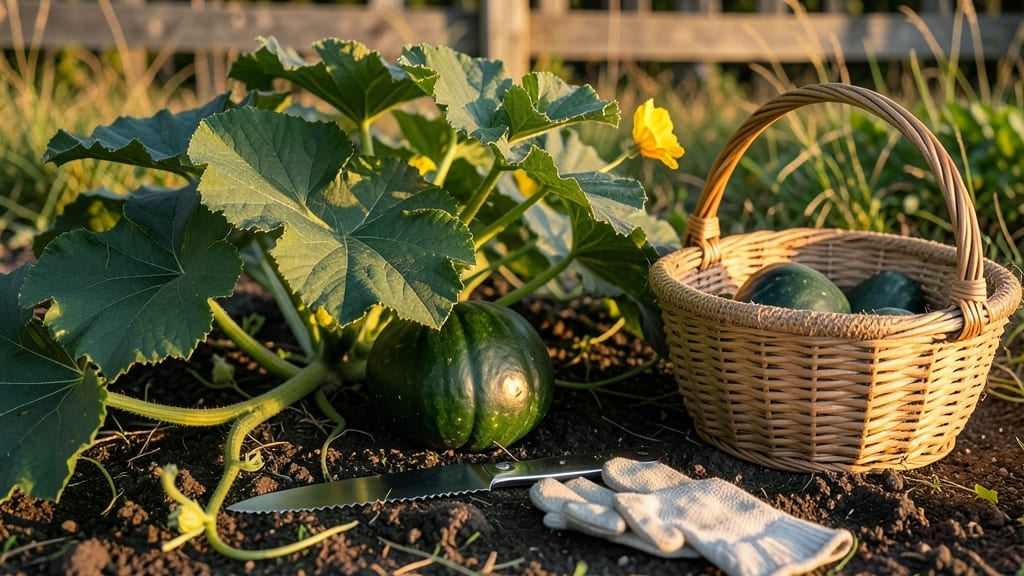
Harvesting patty pan squash 🎃 at the right time ensures that signature flat shape and sweet flavor you’ve been waiting for.
Patty pan squash thrives when harvested at the perfect moment—too early, and you lose flavor; too late, and the flat, scalloped shape deforms. Here’s how to spot the ideal time using three foolproof visual cues every gardener should know.
Most gardeners wait 55 days after planting, but the real secret lies in watching the squash’s color, size, and skin texture. A squash that’s 2-3 inches wide with a firm, vibrant skin signals peak ripeness.
Below, I’ll walk you through the exact cues to look for—plus how to avoid common mistakes that turn your patty pans into oversized, bitter messes. Ready to perfect your harvest?
3 Visual cues to harvest patty pan squash at peak ripeness
Timing your patty pan squash harvest is everything—miss the window, and you’ll end up with either bland, underdeveloped squash or oversized, misshapen ones that lose their signature flat, scalloped shape.
The secret lies in three key visual cues that tell you exactly when to pick them for maximum flavor and texture. I’ve learned these tricks after years of trial and error, and they’ve saved me from countless ruined harvests!
First, let’s address the most common mistake: waiting too long. Many gardeners assume bigger squash means better flavor, but overripe patty pans become tough, woody, and lose their delicate taste. The good news?
These three visual signals make it impossible to miss the perfect moment. Start checking your plants 55-65 days after planting, when they’re most likely to reach peak ripeness.
-
1Size: Look for squash that measure 2-3 inches in diameter. This is the ideal window—any smaller (1.5 inches) means they’re underripe, while larger ones (>3 inches) start losing their signature shape and flavor. Measure across the widest part of the squash for accuracy.
-
2Color: The skin should deepen to a vibrant yellow or green (depending on your variety) and appear consistently colored with no pale spots. A dull or patchy color signals underripeness, while a faded or mottled look means it’s past its prime. Pro tip: Morning sunlight enhances color visibility.
-
3Stem Separation: The stem should begin to dry and shrink slightly where it meets the squash. Gently wiggle the squash—if it separates easily from the vine (without tearing), it’s ready. A stubborn attachment means it’s not ripe enough, while a completely detached stem signals overripeness. Use clean, sharp pruning shears for a clean cut.
Here’s a pro move: Harvest your patty pan squash in the morning after the dew has dried but before the heat of the day sets in. This ensures the squash stays crisp and retains its vibrant color.
I always carry a small basket lined with dry leaves or paper towels to prevent bruising—these squash are delicate, and even minor damage can lead to spoilage.
One question I get often is whether to harvest by color or size. The truth? Size is your best indicator, but color and stem separation act as backup cues.
For example, a yellow patty pan variety might turn pale yellow when overripe, while a green variety could develop dull green patches. Always cross-reference all three signals to avoid mistakes, especially if you’re new to growing this squash.
What about storage? Once harvested, patty pan squash stores best in a cool, dark place (like a pantry) for up to 5-7 days. For longer storage, wrap them in paper towels and refrigerate—they’ll keep for about 2 weeks.
I like to use them fresh in salads or sautéed dishes within a few days, though, because their flavor peaks at peak ripeness and declines quickly after harvest.
If you’re growing multiple varieties, pay attention to their specific color cues. Some hybrid patty pans develop striped patterns when ripe, while heirloom types might deepen to a richer hue.
Always check the seed packet or a reliable gardening resource for variety-specific details. And remember: The earlier you harvest, the more your plant will produce—so stay on top of it!
Finally, don’t let the weather fool you. Hot, dry conditions can accelerate ripening, so check your squash more frequently during heatwaves. Conversely, cool, cloudy weather might slow ripening—be patient but don’t wait too long.
The key is consistency: treat your patty pan squash like a daily check-in, and you’ll never miss the perfect harvest window again.
Now that you’ve mastered the visual cues, you’re ready to enjoy homegrown patty pan squash at its absolute best. Happy harvesting—and may your garden be as productive as it is beautiful! 🎃
How to avoid common harvesting mistakes that ruin patty pan squash
Harvesting patty pan squash at the wrong time can turn your delicious, flat harvest into a mushy mess. The key mistake many gardeners make is waiting too long—once the squash exceeds 3 inches, its signature shape deforms, and the texture turns rubbery.
Even worse, overripe squash absorbs pests like squash vine borers, which lay eggs in the stem.
Another common pitfall is damaging the stem when harvesting, which invites rot. I’ve learned the hard way that a sharp pruner is non-negotiable—twisting or tearing the stem creates wounds that spread disease throughout the plant.
Even the harvest timing shifts with your climate: in hotter zones (9+), squash ripens faster, while cooler regions need extra weeks to reach peak flavor.
⚠️ WARNING: Harvesting Too Late or Too Early ⚠️
✅ Ideal harvest window: 55-60 days after transplanting, when squash are 2-3 inches wide and firm to touch. Use a fingernail test: if it doesn’t dent easily, it’s ready!
To prevent flavor loss, I always harvest in the morning when temperatures are cool. This preserves moisture and keeps the squash crisp longer. Store harvested squash in a paper bag in the fridge for up to 5 days—plastic traps humidity and speeds up spoilage.
For longer storage, try freezing cooked patty pans, but raw squash loses texture when frozen.
If you’re growing multiple varieties, like the yellow 'Sunburst' or green 'Patty Pan', pay attention to color cues. Yellow types should be a bright, even hue, while green varieties deepen to a rich, consistent shade.
Uneven coloring often signals uneven ripening, meaning some squash are overripe while others lag behind.
For container gardeners, harvesting patty pan squash requires extra care. Since space is limited, I prioritize frequent picking to encourage more production. Use small pruners or even clean scissors to avoid damaging nearby leaves.
In containers, squash ripens slightly faster due to warmer root zones, so check every 2-3 days starting at 45 days.
One pro tip I swear by? Mark your calendar based on your last frost date. In Zone 5, I start harvesting in mid-July, while Zone 9 gardeners can stretch harvests into early October.
The earlier you harvest, the more vibrant and tender your patty pans will be—so don’t wait until the first frost sneaks up on you! 🎃