
How To
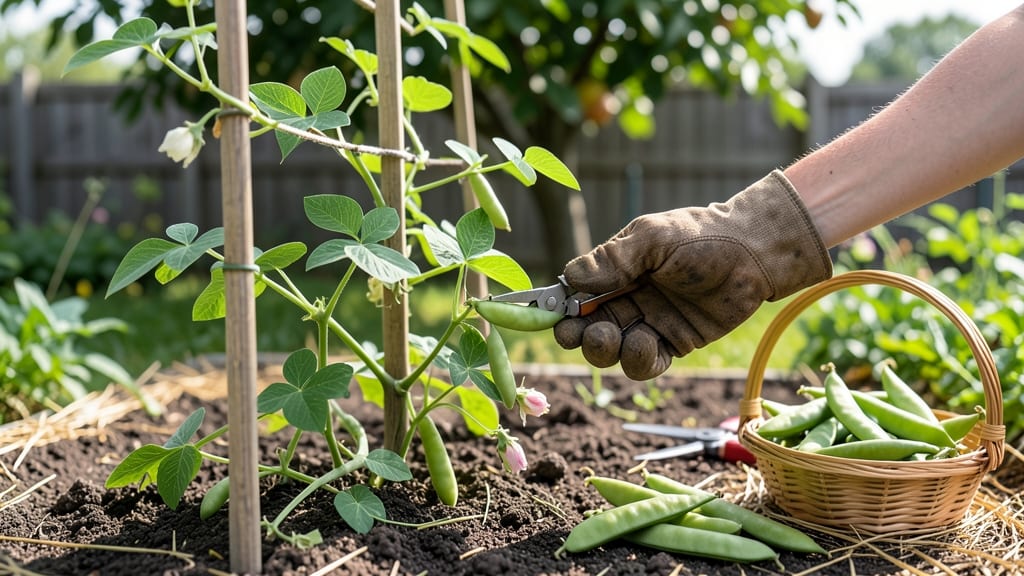
Harvesting pea pods at the right time means the difference between buttery-sweet peas and tough, mealy disappointment — and it all comes down to knowing when those pods are ready.
Picture this: you’ve been waiting weeks for your 🌱 peas to mature, only to snap open a pod that’s still pale and crunchy inside. Or worse, you miss the window and end up with shriveled seeds and a bitter bite.
Timing is everything, and these three simple checks will help you nail it every time.
From checking pod size to testing firmness, I’ll walk you through the exact cues to look for — whether you’re growing sugar snaps, shelling peas, or snow peas. No guesswork, just crisp, flavorful pods straight from your garden.
By the end, you’ll know exactly when to harvest for peak sweetness, how to avoid common mistakes, and even how to extend your harvest season for a longer supply of fresh peas.

3 Tactile checks to determine perfect pea pod harvest timing
Harvesting peas at the right moment transforms your garden into a sweet, crisp treasure trove. But timing isn’t just about days since planting—it’s about feeling the pods. Overripe peas turn starchy and tough, while underripe ones lack flavor.
These three tactile checks will help you pick peas at their peak, ensuring maximum sweetness and tenderness for every variety—whether you grow sugar snap, snow peas, or shelling peas.
Pea pods mature quickly, so checking them daily is key. The best time to harvest is in the morning after dew dries, when pods are cool and crisp. Avoid harvesting after rain, as excess moisture can dilute their flavor.
For continuous harvests, pick every 2-3 days once pods start forming. This encourages more flowers and pods to develop, extending your harvest window by weeks.
- 1. Pod Size: Aim for pods that are 2-2.5 inches long. Sugar snap peas should be plump but not bulging, while snow peas should be flat with slightly rounded edges. Shelling peas should feel full but still tender.
- 2. Texture: Gently squeeze the pod—it should feel firm and crisp, almost snapping when pressed lightly. If it’s soft or mushy, it’s overripe. If it’s too hard, it’s underripe.
- 3. Color & Seeds: Look for vibrant green pods with seeds just visible through the skin. Sugar snaps should have tiny, undeveloped seeds, while snow peas should have barely visible seeds. Shelling peas should have fully formed but still soft seeds.
Don’t rely solely on color—some varieties, like snow peas, stay green even when overripe. Instead, focus on the pod’s shape and seed visibility. For example, snow peas should be flat and flexible, while shelling peas should have seeds that are clearly visible but not hard.
If you see yellowing pods or hear seeds rattling inside, it’s a sign to harvest immediately or you’ll miss the window.
Variety matters! Sugar snap peas are best harvested when pods are plump and slightly curved, while shelling peas should have seeds that are fully formed but still soft. Snow peas, on the other hand, should be harvested when they’re flat and tender, with seeds just starting to show.
Ignoring these differences can lead to disappointing textures—crunchy when you want sweet, or mealy when you crave crisp.
Overlooking texture is a common mistake. A pod that feels slightly resistant but yields to gentle pressure is perfect. If it feels spongy or hollow, it’s past its prime. For a quick test, snap a pod between your fingers—it should make a clean break with a slight crackling sound.
If it bends without snapping, it’s underripe. If it’s hard to snap, it’s overripe and will be tough to eat.
Harvesting at the right time isn’t just about taste—it’s about encouraging more production. When you pick pods regularly, your pea plants will keep flowering and setting new pods. Skipping harvests for even a few days can cause pods to overmature, reducing both quality and quantity.
Think of it like pruning: removing spent pods signals the plant to focus energy on new growth.
Regional climate plays a role too. In cooler zones, peas mature faster, so check pods every 2 days. In warmer climates, growth slows slightly, giving you a bit more time between checks.
Always adjust based on your local weather—heat waves or cold snaps can speed up or slow down ripening. Keep a small notebook nearby to track pod development and adjust your harvesting schedule accordingly.
One final trick: harvest morning glory-style—pick the largest, ripest pods first, leaving smaller ones to mature. This ensures a steady supply of peas at peak ripeness. Store harvested pods in the fridge for up to 5 days to preserve their crispness.
For the freshest taste, eat them within hours of picking—nothing beats the sweetness of a pod plucked straight from the vine.
With these tactile checks, you’ll never second-guess when to harvest again. Your garden will reward you with sweet, crisp peas that taste like summer in every bite. Happy harvesting! 🌿
How to harvest pea pods without damaging the plant (Step-by-Step)
Harvesting pea pods the right way keeps your plants producing for weeks longer while ensuring maximum sweetness. The key is to pick pods gently at the perfect moment—when they’re firm, crisp, and just the right size.
If you wait too long, the pods toughen up, and the peas inside lose their tender flavor. On the flip side, harvesting too early means mealy, underdeveloped pods that won’t taste right.
Timing matters just as much as technique. I’ve found that harvesting in the morning (after dew has dried but before the heat sets in) preserves flavor and firmness. This is when pods are at their crispest, and the plants are less stressed.
Plus, picking in the morning gives you a head start on enjoying your fresh harvest.
Before you even reach for your pods, make sure you have the right tools. A pair of sharp pruning shears or clean scissors is ideal—they let you snip pods cleanly without crushing them or damaging the vine.
Avoid pulling pods by hand, as this can snap delicate stems and stunt future growth.
Step-by-Step Guide to Harvesting Pea Pods
- 🌱 Step 1: Check Pod Size
Look for pods that are 2-2.5 inches long. For sugar snaps, they should be plump but not bulging. Shelling peas should have visible peas inside but still be tender. - 🎯 Step 2: Test Firmness
Gently squeeze the pod—it should feel firm and crisp, like a fresh green bean. If it’s soft or mushy, it’s overripe. - ✂️ Step 3: Use the Right Tools
Snip pods with clean pruning shears just above the pod. Never pull or twist, as this can damage the vine. - ⏰ Step 4: Harvest in the Morning
Pick pods between 7-9 AM for peak flavor and texture. Avoid harvesting in the evening when pods may be more tender and prone to bruising. - 🌿 Step 5: Harvest Every 2-3 Days
Frequent harvesting encourages more pods to form. If you wait too long, the plant will focus on seed production instead of new pods.
Once you’ve harvested, store your peas in the fridge for up to 5 days to keep them fresh. If you’re growing multiple varieties, like sugar snaps and shelling peas, harvest them separately—they mature at slightly different rates.
Sugar snaps, for example, are best picked when they’re still flat and crisp, while shelling peas should have fully formed but tender peas inside.
To extend your harvest season, consider succession planting. Sow new seeds every 2-3 weeks during the growing season. This ensures a steady supply of fresh pods from early spring until late summer.
Just be sure to provide support for climbing varieties, like trellises or stakes, to keep vines healthy and productive.
With these steps, you’ll enjoy a bountiful harvest of sweet, crisp peas without harming your plants. Happy harvesting! 🌱