
How To
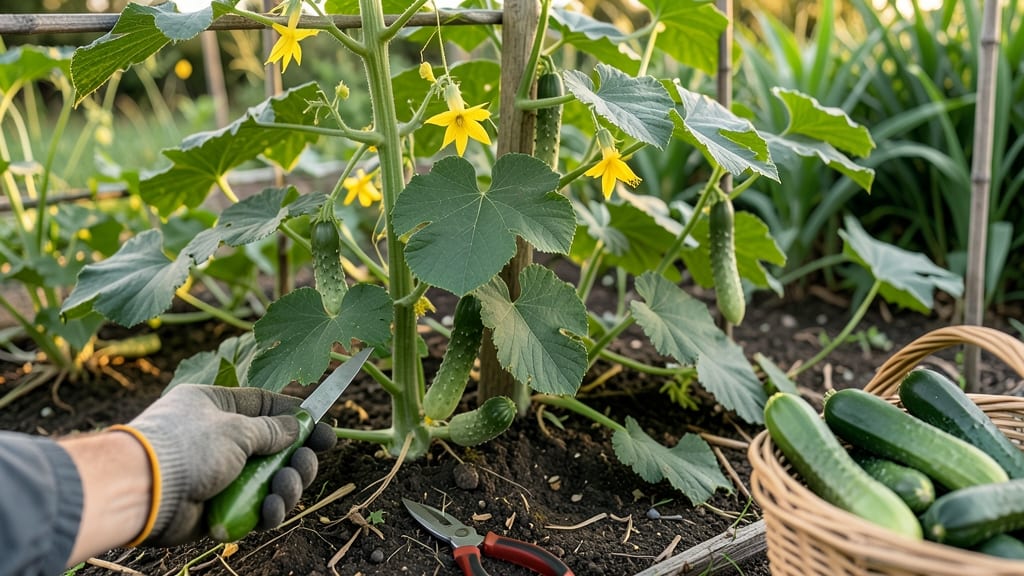
Harvesting pickling cucumbers at the right time ensures crisp, seed-free gems perfect for your favorite dill chips or pickles.
Picking your 🥒 at the wrong time can turn your homemade dill chips into a mushy disappointment—so timing is everything for that perfect crunch and tangy flavor. One day too late, and you’re left with bitter, seedy cucumbers that ruin the batch.
Most pickling varieties are ready when they reach 2–4 inches long, with firm skin that resists gentle thumb pressure. The key is consistency: check your plants every other day during peak harvest season (June–September in zone 6a).
Below, I’ll break down the exact cues—size, firmness, and even color—to help you nail the harvest window. You’ll also learn how to avoid common mistakes that waste your garden’s hard work.
How to check pickling cucumber ripeness by size, firmness, and color
Picking pickling cucumbers at the perfect moment ensures your homemade dill pickles or bread-and-butter spears stay crisp and flavorful. Unlike slicing cucumbers, pickling varieties need to be harvested small and firm—typically between 1.5 to 2.5 inches—to avoid bitterness and seedy interiors.
Skipping this step means ending up with oversized, watery cucumbers that turn mushy during fermentation.
Start by checking the cucumber size, which is your first clue. Most pickling varieties like Boston Pickling or National Pickling are ready when they reach 2 to 4 inches long. If you wait until they’re larger, you risk developing bitter compounds from overmaturity.
Pair this with a firmness test: gently press the cucumber with your thumb—if it springs back, it’s ready. A soft or yielding cucumber means it’s past its prime.
Next, examine the skin color and stem condition. Ideal pickling cucumbers have a bright green hue with no yellowing or blemishes. The stem should snap cleanly when bent—this indicates peak ripeness.
If the stem resists or the cucumber feels spongy, it’s overripe. These visual and tactile cues work together to help you avoid the common pitfall of harvesting too late.
Not all pickling cucumber varieties follow the same rules. For example, Lemon cucumbers or Armenian cucumbers might be harvested slightly larger—up to 4 inches—but they should still be firm and bright green. Always check the seed packet or plant tag for variety-specific guidelines.
If you’re unsure, err on the side of harvesting smaller rather than larger, as oversized cucumbers develop bitter cucurbitacin compounds, which ruin the flavor.
Harvesting at the right time also depends on your climate zone. In hotter regions, cucumbers can mature faster, so check them every 2–3 days. In cooler areas, they may take longer to reach ideal size, so monitor them weekly.
Use a harvest basket with holes to avoid bruising the cucumbers during collection. Always cut them from the vine using pruning shears or a sharp knife to prevent damage to the plant.
One of the biggest mistakes I see is waiting until cucumbers turn yellow or develop soft spots. By then, they’re past their prime and will turn mushy during pickling. Instead, prioritize consistent harvesting—picking 2–3 times per week encourages your plants to produce more cucumbers.
This method also prevents disease pressure, as overripe cucumbers attract pests like cucumber beetles.
For home canning or fermentation, aim to harvest cucumbers in the early morning when they’re cool and hydrated. This ensures they stay crisp during processing. Store them in a shady, cool place (like a ventilated crate) for up to 3–5 days before pickling.
If you notice any cucumbers with yellowing skin or blotchy spots, remove them immediately—they’re no longer suitable for pickling and can spread disease.
Pro tip: Train yourself to recognize the ideal pickling cucumber by comparing a few harvests. Over time, you’ll develop an instinct for when they’re ready. Keep a harvest journal to track sizes, firmness, and flavor outcomes.
This helps you refine your timing for future seasons. With practice, you’ll consistently pick cucumbers at their peak, ensuring your homemade pickles turn out perfectly every time.
Remember, the goal is crunchy, seedless cucumbers with a tangy flavor. By mastering the art of checking size, firmness, and color, you’ll avoid the disappointment of mushy, bitter pickles and enjoy the satisfaction of a successful harvest.
Common harvesting mistakes that ruin pickling cucumbers (and how to avoid them)
Even experienced gardeners sometimes make critical errors when harvesting pickling cucumbers, and those mistakes can completely ruin your homemade preserves.
One of the biggest culprits is harvesting at the wrong maturity stage, which leads to either underdeveloped flavor or bitter, seedy cucumbers that turn your jars into a mushy mess.
Another overlooked issue is ignoring weather and soil conditions, which can stress your plants and alter the cucumbers' quality. For example, extreme heat or drought can cause cucumbers to develop bitter compounds prematurely, while overly rich soil might make them grow too fast and soft.
Let's dive into the most common pitfalls and how to avoid them for perfect pickling results.
⚠️ Harvesting Too Late = Bitter Disaster
Pickling cucumbers left on the vine past 4 inches develop bitter cucurbitacin compounds, ruining their sweet-tart flavor. Even if they look green and firm, check the stem—if it's woody or hard, it's time to pick. Pro tip: Use a sharp knife to avoid damaging vines.
Harvesting too early is just as problematic—cucumbers smaller than 1.5 inches lack the crisp texture and developed flavor needed for pickling. I once picked a batch at 1 inch because they looked "perfect," only to end up with watery, bland dill spears.
Always measure with a tape measure or ruler for consistency.
Pay attention to the time of day you harvest, too. Picking in the morning (after dew dries but before midday heat) ensures the firmest cucumbers with the most intense flavor.
If you harvest in the evening, cucumbers may have softened from heat stress, leading to mushy texture after pickling.
Don't ignore soil moisture either—uneven watering causes uneven growth, leading to a mix of overripe and underripe cucumbers in the same batch. Use a moisture meter to maintain consistent soil dampness, especially during flowering and fruiting stages. A quick soil check every 2-3 days prevents flavor inconsistencies.
Finally, resist the urge to harvest all cucumbers at once. Pickling cucumbers produce new fruit daily, and overcrowding stresses the plant. Aim to harvest every 2-3 days during peak season to encourage continuous production and maintain optimal quality. This habit also prevents disease spread from overripe cucumbers.
By avoiding these common mistakes—harvesting at the right size, time of day, and soil conditions—you'll consistently get crisp, flavorful pickling cucumbers that shine in any jar. Happy harvesting! 🥒