
How To
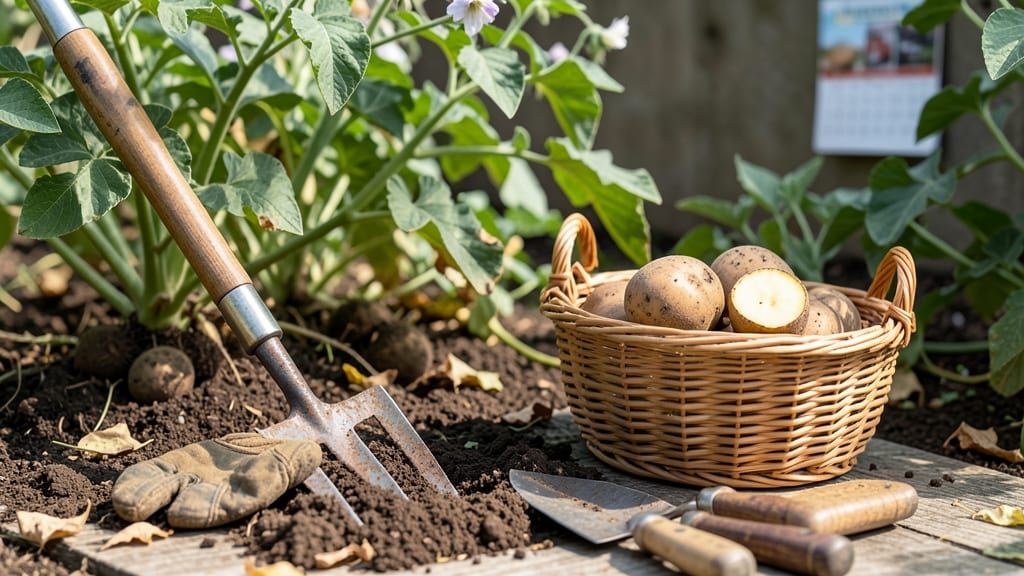
Harvesting potatoes in Ohio at the right time means the difference between fluffy, flavorful spuds and tough, mealy ones — and the window is narrower than you’d think.
Ohio gardeners know timing is everything—especially when it comes to potatoes 🥔. Dig too early, and you’ll miss out on flavor and yield; wait too long, and your spuds turn mealy or rot in the ground. But with Ohio’s unpredictable spring-to-fall weather, how do you know exactly when to harvest?
Here’s the secret: it’s not just about days since planting. Soil temperatures between 55–65°F, yellowing foliage, and even the way the stems snap all signal the perfect moment. In Zone 6a, that could mean late July for early varieties or early October for late-season keepers.
Below, I’ll walk you through the three key tests to confirm readiness, plus how to adjust for Ohio’s frost risk and regional microclimates. No more guessing—just perfect, restaurant-quality potatoes from your garden.

Ohio potato harvest timeline: ideal soil temperatures & plant signals
Ohio’s potato harvest timing hinges on two critical factors: soil temperatures and plant signals. Unlike many crops, potatoes thrive in cooler weather, and digging too early or late can ruin your yield.
The ideal soil temperature range for harvest is between 55–65°F, signaling the tubers have fully developed but won’t rot in the ground.
This window typically falls between late July and early October, but Ohio’s microclimates—like the cooler Appalachian regions or the warmer Lake Erie shoreline—can shift this by 1–2 weeks.
In northern Ohio, where frost arrives earlier, aim to harvest by mid-September for most varieties. Southern Ohio gardeners, however, can often wait until early October or even later for late-season types like Russet.
The key is balancing maturity cues with frost risk, as even a light freeze can damage exposed tubers. Paying attention to both soil warmth and plant health ensures you dig at the perfect moment—when flavor and texture peak.
| Harvest Stage | Soil Temp (°F) | Plant Signals | Ohio Timeline | Microclimate Adjustments |
|---|---|---|---|---|
| New Potatoes | 55–60°F | Flowers appear, tubers 1–2" diameter | Late June–July | 1 week earlier in southern OH |
| Mature Potatoes | 60–65°F | Foliage yellows/dies back, skin resists pressure | Late July–early October | 2 weeks later in Appalachia |
| Late Harvest (Storage) | 55–60°F | Vines fully dead, tubers firm | Early–mid October (before frost) | 1 week earlier in northern OH |
The soil temperature threshold of 55°F is your first clue that new potatoes are ready to harvest. At this point, the tubers have reached 1–2 inches in diameter, perfect for quick cooking or salads.
Use a soil thermometer to check temperatures in the morning—this avoids the heat distortion of midday readings. For mature potatoes, wait until the soil warms to 60–65°F and the foliage begins to yellow from the bottom up, a sign the plant is redirecting energy to the tubers.
Ohio’s Appalachian region often experiences cooler soils, delaying harvest by up to 2 weeks compared to the Lake Erie shoreline. If you’re in a cooler zone, monitor frost forecasts closely—tubers left in cold soil risk sprouting or rotting.
Conversely, southern Ohio gardeners can push harvests later, but avoid waiting past early October unless you’re storing varieties like Kennebec, which handle cooler temps better. Always prioritize soil warmth over calendar dates for the best results.
One of the most reliable plant signals is the death of the vines. When the foliage turns completely yellow or brown and collapses, it’s a strong indicator that the tubers have finished growing. However, don’t rush to dig—wait 1–2 weeks after vine death to ensure the skins have toughened.
This curing period improves storage life and flavor. For early varieties, you might harvest as soon as the bottom leaves yellow, but for late-season types, patience pays off with larger, more flavorful potatoes.
Another harvest readiness test is the thumbnail pressure check. Gently press your thumbnail into a tuber—if the skin resists and doesn’t dent easily, it’s ready. If it leaves a deep mark, wait another 1–2 weeks.
This method works best on mature potatoes and helps avoid the mealy texture that comes from harvesting too late. Pair this with the soil temperature check for the most accurate timing, especially in Ohio’s variable climate.
Ohio’s frost dates play a huge role in harvest timing. In northern counties, the first frost can arrive as early as mid-September, while southern areas might see frost in late October. If frost is forecasted, harvest 2–3 days before to prevent tuber damage.
For storage potatoes, dig when the soil is still warm (55–60°F) and let them cure in a cool, dark, well-ventilated space for 1–2 weeks before storing. This mimics natural conditions and extends shelf life.
Don’t overlook the regional differences in Ohio’s harvest windows. Gardeners in Toledo or Columbus can often wait until early October, while those in Cleveland or Youngstown should harvest by mid-September. Use local Cooperative Extension offices or Ohio State University’s gardening resources for hyper-local advice.
Adjusting your harvest timeline based on microclimate ensures you maximize yield and quality, no matter where you garden in the state.
Finally, remember that new potatoes
Leaf & plant tests to confirm harvest readiness (Ohio-specific guide)
Ohio’s unpredictable weather makes potato harvest timing tricky. Unlike other crops, potatoes don’t give obvious signals like fruit ripening. Instead, you’ll need to rely on three key plant-based tests to determine the perfect digging window.
The flower test, leaf pull, and dig-and-check methods work together to confirm readiness, especially for Ohio’s early vs. late varieties.
Start with the flower test, which is your first clue that new potatoes are ready. When the potato plant flowers fade and begin to drop, it’s time to dig for small, tender tubers.
This usually happens 60–70 days after planting for early varieties like ‘Red Pontiac’. For late varieties, wait until the entire plant turns yellow and dies back completely.
⚠️ callout-warning
Don’t confuse heat stress (common in Ohio’s July–August heat waves) with true maturity. Wilting leaves or yellowing foliage from drought aren’t harvest signals—check soil moisture first. For accurate testing, perform the leaf pull on a cool, cloudy morning when plants are hydrated.
If tubers are smaller than a golf ball when you dig, they’re not ready. Green tubers with sprouts mean you waited too long or exposed them to light. Store these in a dark, cool place to prevent solanine buildup.
Next, try the leaf pull test for mature potatoes. Gently grasp a lower leaf and pull upward. If it resists slightly but doesn’t snap—like a wilted flower—your potatoes are ready.
This indicates the tubers have fully formed but haven’t started breaking down. For storage varieties like ‘Russet’, wait until 90–120 days after planting, when leaves turn completely brown.
The dig-and-check method is your final confirmation. Use a garden fork to gently lift a small section of soil near the plant base. Look for 2–3 inch tubers with firm, brown skin.
If they’re smaller than a ping-pong ball, wait 1–2 weeks for late varieties. For early harvests, like ‘Yukon Gold’, dig when tubers reach 1–2 inches in diameter.
Ohio’s microclimates can shift harvest windows by 1–2 weeks. In northern Ohio (e.g., Cleveland), aim for late August for early varieties, while southern Ohio (e.g., Cincinnati) may extend harvests into early October.
Always dig before the first frost (typically mid-October in most regions) to avoid rot or sprouting in the ground.
Pro tip: Mark your calendar based on your variety’s days to maturity. For example, ‘Kennebec’ (a late variety) takes 110–120 days, so start counting from your planting date. Combine this with the leaf tests to avoid common mistakes like over-maturity or under-sized harvests.