
How To
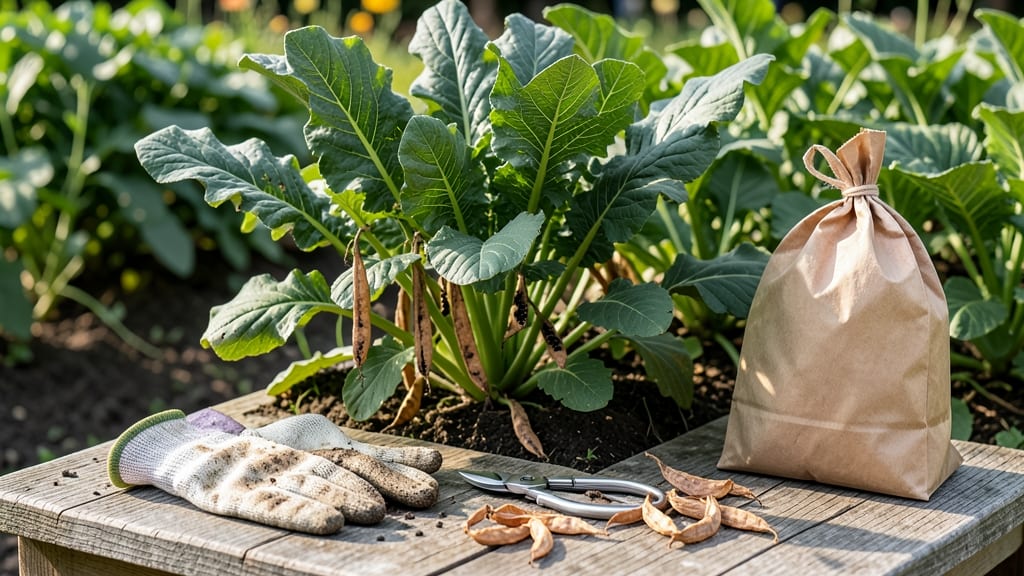
Harvesting radish seed pods at the right time ensures you save seeds that will sprout strong next year — and missing the window means shriveled, useless pods.
Picture this: you’ve nurtured your 🥕 radishes all season, and now the pods are turning brown. But are they ready? One wrong move, and you’ll end up with seeds that won’t germinate—or worse, pods that split open before you can collect them.
In USDA Zone 6a, timing matters most between September and October, when days grow shorter and temperatures drop. The key is watching for flat, dry pods that rattle when shaken—a sure sign the seeds inside are mature and ready to harvest.
Below, I’ll walk you through the exact visual cues, the best weather conditions, and a simple rattle test to confirm your pods are perfect for saving. No guesswork, just reliable results for next year’s garden.

How to identify mature radish seed pods for harvesting
Saving radish seeds from your garden is a rewarding way to ensure next year’s crop thrives, but timing is everything. Harvesting too early means immature seeds that won’t germinate, while waiting too long risks overripe pods that shatter and scatter seeds.
The key lies in recognizing three critical visual and tactile cues—pod color, texture, and the infamous rattle test—that signal your radish seed pods are ready for harvest.
First, focus on the pod color. Mature radish seed pods transition from bright green to a dull brown hue, similar to a dried-out coffee bean. This color change indicates the seeds inside have fully developed and are ready for collection.
If the pods remain green or only partially brown, they’re not yet ready—wait a few more days and check again.
Next, examine the pod texture. Ready-to-harvest pods feel dry and papery, almost brittle to the touch. Gently press a pod between your fingers—if it crushes easily or feels hollow, it’s time to harvest.
Avoid pods that are still firm or moist, as these won’t yield viable seeds. This tactile test is especially useful in humid climates, where pods can stay green longer due to excess moisture.
Here’s where the rattle test comes into play. Shake a pod near your ear—if you hear a faint dry rattling sound, seeds are inside and mature. This happens because the seeds inside have fully dried and loosened from the pod walls.
Skip pods that sound dull or empty; they’re either too early or past their prime. Pro tip: Perform this test in the morning when humidity is lowest for the most accurate results.
Don’t overlook the plant’s overall condition as a final check. Mature radish plants will show yellowing leaves and a noticeable decline in vigor, signaling the energy has shifted to seed production. If the entire plant looks healthy with lush green foliage, your pods likely need more time.
Conversely, if the plant is completely brown and crispy, you’ve missed the window—seeds may have already scattered or lost viability.
Regional differences can affect timing, especially in cooler climates like USDA Zones 3-5. In these areas, radish seed pods may take 10-14 extra days to mature compared to warmer zones (6-10). Always monitor pods daily during the final week of maturity, as weather fluctuations can accelerate or delay the process.
If frost threatens before pods are ready, consider harvesting early and drying them indoors under a fan to complete maturation.
Once you’ve confirmed maturity using these cues, act quickly. Use clean, sharp pruning shears to snip pods from the stem, leaving a small portion attached to avoid damaging the plant. Place pods in a well-ventilated area (like a mesh bag or paper bag) to dry for 1-2 weeks.
Avoid plastic bags, as they trap moisture and promote mold. Store dried seeds in a cool, dark place for up to 3 years for optimal germination.
Properly harvested radish seeds should yield a 90% germination rate if stored correctly. The effort pays off when you plant these seeds next spring and watch your garden flourish with radishes true to the parent plant.
With these visual and tactile cues, you’ll never second-guess whether your radish seed pods are ready for harvest again.
Step-by-step guide to harvesting and drying radish seeds properly
Once you’ve identified your radish seed pods as mature, the next critical step is harvesting and drying them correctly to preserve germination rates. Improper handling can lead to moldy seeds or poor viability, so follow these steps carefully for the best results.
Timing is everything—harvest on a dry, sunny day when humidity is low. This minimizes the risk of fungal growth during drying. Use clean, sharp pruning shears or scissors to avoid damaging the pods, and work gently to prevent seed loss.
How to Harvest Radish Seed Pods
- Step 1: Wait until pods are completely brown and dry, typically 60-90 days after planting.
- Step 2: Gently twist or cut pods from the stem, leaving a small portion attached to avoid seed spillage.
- Step 3: Place pods in a paper bag or breathable container to allow airflow during drying.
- Step 4: Store pods in a dry, dark place with low humidity (below 40%) for 2-4 weeks to fully dry.
- Step 5: Once pods are crisp and brittle, open them to remove seeds, then store in an airtight container.
After harvesting, drying is key to preventing mold. Spread pods on a clean, dry surface like a mesh screen or paper towel in a well-ventilated area. Avoid direct sunlight, which can overheat and damage seeds. A dehydrator set to 95°F (35°C) works well for even drying.
Label your seeds with the variety name and harvest year using a permanent marker. Store containers in a cool, dark place (like a pantry) where temperatures stay between 40-50°F (4-10°C). Properly stored seeds remain viable for 3-5 years.
Test a few seeds before full storage by planting them in a small pot. If they sprout within 7-14 days, your drying process was successful. If not, adjust next year’s drying conditions.
For large batches, use a fan to circulate air and speed up drying. Avoid plastic bags, which trap moisture and encourage mold growth. With these steps, you’ll ensure a high-quality radish seed harvest ready for next season’s garden. 🌱