
Vegetables
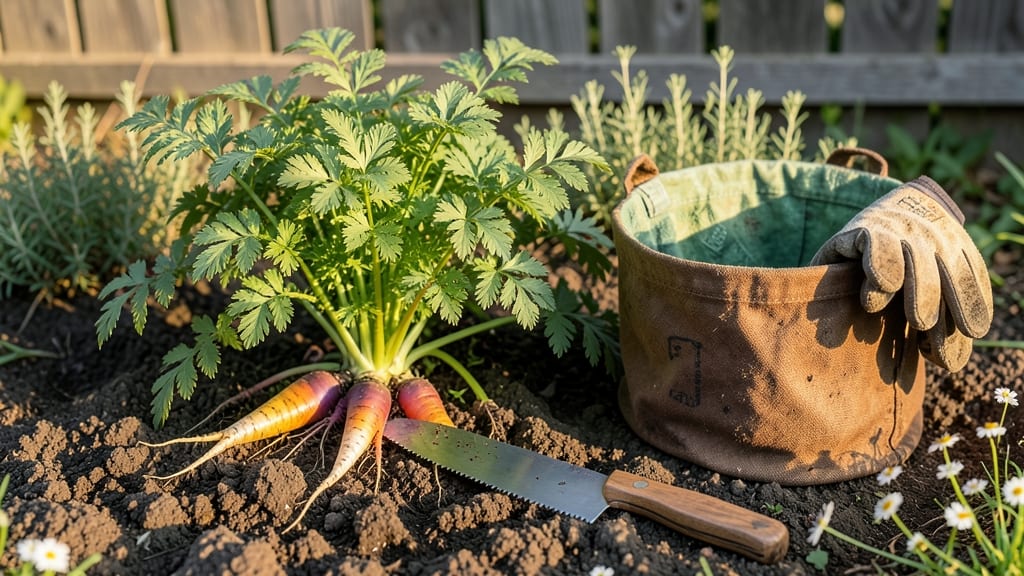
Harvesting rainbow carrots 🥕 at the right time means the difference between sweet, tender roots and tough, woody messes.
You’ve spent weeks nurturing your patch, and now the question is: when exactly should you pull them? The answer isn’t just about days since planting—it’s about color, size, and a simple soil test that tells you the truth.
Too early, and you’ll miss the peak flavor; too late, and they’ll split or become bitter. Below, I’ll show you the three foolproof signs your rainbow carrots are ready, plus how to avoid the most common mistakes that ruin harvests.
By the end, you’ll know exactly when to dig—and how to store them so they stay crisp for weeks.

How to use the rainbow carrot soil pull test for perfect harvest timing
The soil pull test is my go-to method for determining when rainbow carrots are ready to harvest. Unlike relying solely on days since planting or leaf size, this tactile approach gives you real-time feedback about root development.
When done correctly, it helps you avoid both underripe carrots (woody and bitter) and overmature ones (tough and fibrous). The best part? It works for all rainbow varieties, from deep purple to golden yellow.
Start testing about 50 days after sowing, which is when most rainbow carrots begin developing noticeable roots. Use a gentle but firm grip to assess resistance—this tells you whether the carrot is still tender or has toughened up.
I recommend testing 2-3 carrots per week starting at this stage to track progress without disturbing the entire patch. Consistency is key, especially in variable climates where growth rates can fluctuate.
Before diving into the test, make sure your soil is moist but not waterlogged. Dry soil can give false readings, making roots seem firmer than they are. If the soil is too dry, water lightly the day before testing.
The goal is to mimic ideal growing conditions so your assessment reflects true maturity. For container-grown rainbow carrots, this means keeping pots consistently moist without letting them sit in saucers of water.
The ideal tenderness for rainbow carrots is when they yield slightly to pressure but don't feel mushy. Think of it like testing a ripe pear—just enough give to know it's ready. If the carrot feels spongy, it's overripe; if it's hard as a rock, it's underripe.
For baby rainbow carrots, aim for a 1/2-inch diameter and harvest when they reach this size, even if they're not yet at the full 70-day mark.
Timing your harvests based on the soil pull test also helps you stagger your crop for continuous harvests. Plant successive batches every 2 weeks in spring and fall to ensure a steady supply.
This method works especially well for container gardening, where space is limited, and you want to maximize yield without overcrowding. Just remember to thin seedlings to 2-3 inches apart when they're about 2 inches tall to give roots room to grow.
One common mistake is overharvesting based on the pull test alone. If you're harvesting more than 30% of your plants in a single week, you might be pulling too aggressively. Leave some carrots in the ground to mature fully—they'll reward you with sweeter, larger roots later in the season.
For rainbow varieties, this is particularly important because their color development often peaks at different times.
After harvesting, store rainbow carrots in a cool, dark place (like a root cellar or refrigerator) to preserve their vibrant colors and sweetness. They'll keep for 2-3 weeks if stored properly, but I find they taste best when used within 1 week of harvest.
For long-term storage, trim the tops and pack them in sand or sawdust in a container—this mimics their natural growing conditions and extends shelf life.
Pro tip: Keep a harvest journal to track when your rainbow carrots reach maturity based on the soil pull test. Note the days to harvest, weather conditions, and soil type—these variables can shift your harvest window by 5-7 days.
Over time, you'll develop a keen sense of when your specific patch of rainbow carrots is ready, making future harvests even easier. Happy digging! 🥕
Rainbow carrot color clues: what each hue means for flavor and maturity
Your rainbow carrots aren’t just a feast for the eyes—their vibrant colors are direct messages about flavor and maturity. Each hue tells you when to harvest for the sweetest, most tender roots.
Purple varieties, for example, pack anthocyanins that deepen as they mature, while yellow and white varieties signal crunchiness when fully colored. Understanding these clues ensures you don’t pull them too early (tough and bitter) or too late (woody and stringy).
Start by checking the shoulder width of your carrots—the top 1/2-inch of the root. When it’s firm and matches the color of the root below, that’s your first sign of readiness.
For purple varieties, the color should be deep and consistent from top to bottom. Orange carrots should glow like a sunset, while yellow and white types should be fully pigmented. Ignore these clues, and you risk sacrificing flavor for aesthetics.
Color isn’t the only indicator—texture matters too. Gently squeeze the root near the shoulder; it should yield slightly, like a ripe peach. If it feels rock-hard, it’s overripe. If it’s mushy, it’s underripe. Pair this test with the soil pull method (gently tugging on the foliage) to confirm readiness. This two-step approach minimizes guesswork and maximizes your harvest’s quality.
| Color | Flavor Profile | Harvest Size | Days to Maturity |
|---|---|---|---|
| Purple | Earthy, slightly sweet, high in antioxidants | 1.5–2.5 inches | 70–85 days |
| Orange | Classic sweet, carrot-like | 1.5–3 inches | 65–75 days |
| Yellow | Mild, nutty, crisp texture | 1–2 inches | 60–70 days |
| White | Mild, slightly peppery, tender | 1–1.5 inches | 55–65 days |
Purple carrots are the slowest to mature, often taking 10–15 extra days to reach peak flavor compared to orange varieties. Their deep color fades if harvested too early, so wait until the foliage is 6–8 inches tall and the roots are uniformly colored. Yellow and white carrots, on the other hand, mature faster but lose their crispness if left in the ground beyond their ideal window. Aim to harvest them when the tops are 4–6 inches tall to avoid woody texture.
Seasonal timing also plays a role. In spring plantings, aim to harvest purple and orange varieties in late June to July, while yellow and white types can be pulled as early as mid-June.
For fall plantings, shift your timeline to October, ensuring you harvest before the first frost. Cold temperatures can turn sweet flavors bitter, so don’t wait too long—especially for white carrots, which are most delicate.
Pro tip: Store harvested rainbow carrots with their greens intact in a cool, dark place (like a root cellar) to preserve flavor and crispness for up to 3 weeks.
If you notice the colors dulling after harvest, it’s a sign they’ve lost some of their nutrients—time to enjoy them in salads or roasted dishes before they spoil. Paying attention to these color cues now means sweeter, more flavorful carrots all season long.