
How To
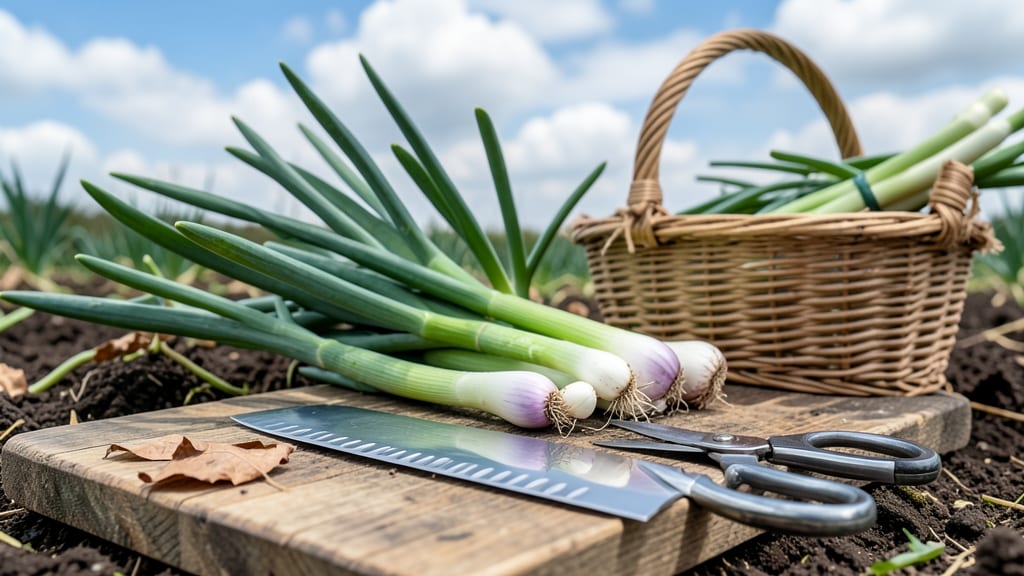
Harvesting scallions when they reach 6 inches tall ensures the sharpest flavor and keeps your 🌱 patch producing all season.
Picture this: you’ve nurtured your scallions for weeks, and now they’re standing tall—bright green, crisp, and ready to pull. But wait too long, and they’ll bolt, turning bitter and woody. Get it wrong, and you miss out on that perfect crunch and mild onion kick.
Timing is everything, especially in Zone 6a where spring and fall harvests overlap. Below, I’ll walk you through the exact cues to watch for, how to harvest without stunting regrowth, and why cutting beats pulling for multiple harvests.
You’ll leave here knowing not just when to harvest, but how—so your scallions keep delivering fresh, flavorful greens all season long.

How to tell when scallions are ready for harvest (6-Inch rule explained)
Harvesting scallions at the right time ensures peak flavor and crisp texture, while preventing them from turning bitter or bolting. The 6-inch rule is my go-to guideline: when your scallions reach 6 inches tall with 3-4 mature leaves, they’re ready for harvest.
This height balances regrowth potential and optimal taste, making it the sweet spot for most gardeners.
Why does height matter? Scallions store energy in their bulb base and leaves—when they hit 6 inches, they’ve developed enough flavor compounds for the best taste. Waiting longer risks bolting (flowering), which turns leaves tough and bitter. Harvesting early means milder flavor but more regrowth opportunities.
| Visual Cue | Description | Action |
|---|---|---|
| Plant Height | 6 inches tall (measured from soil to top leaf) | Harvest now for sharpest flavor |
| Leaf Count | 3-4 mature, bright green leaves | Cut outer leaves to encourage regrowth |
| Bulb Formation | Small bulb (½ inch wide) at base | Pull entire plant for full harvest |
| Stem Texture | Crisp, firm stems (not woody) | Use for salads or cooking immediately |
| Warning Signs | Tall flower stalks or yellowing leaves | Harvest immediately or compost |
To check readiness without damaging your scallions, gently grasp the base of the plant near the soil. If the stem separates cleanly with slight pressure, it’s ready. This method lets you harvest selectively, leaving the rest to grow.
For continuous harvests, cut leaves 1 inch above the soil—this encourages new growth while keeping flavor sharp.
Seasonal timing also plays a role. In spring, scallions grow faster with longer daylight, so they may reach 6 inches in 4-6 weeks. In fall, cooler temps slow growth—wait until 8-10 inches if nights are chilly.
Always prioritize leaf color: vibrant green means freshness; yellow or purple hues signal bolting or stress.
Pro tip: Use a ruler or measuring tape to track height if you’re new to scallion harvesting. Mark your 6-inch target on a nearby stake for visual reference.
This simple trick saves guesswork and ensures you never miss the peak harvest window. Over time, you’ll recognize the ideal texture and color by sight alone.
If you’re growing scallions in containers, the 6-inch rule still applies, but check for root congestion first. Crowded roots can stunt growth, so repot if bulbs are tightly packed. Container-grown scallions also bolt faster in heat—harvest earlier (at 4-5 inches) if your pots dry out quickly.
For multiple harvests, avoid pulling the entire plant unless you’re done with the patch. Instead, snip outer leaves every 2-3 weeks, leaving the central stem intact.
This method works best in spring and fall when temps are mild. In summer heat, scallions bolt faster—harvest aggressively or shade plants to extend the season.
Remember: Flavor peaks at 6 inches, but regrowth potential drops after the first harvest. Balance your needs—if you want big bulbs, pull at 8 inches. For continuous greens, stick to the 6-inch rule and cut selectively. Either way, you’ll enjoy homegrown scallions at their best.
🌱
Best practices for harvesting scallions without killing the plant (cut vs. pull methods)
Harvesting scallions the right way ensures you get flavorful greens while keeping your plants productive for future harvests. The two main methods—cutting and pulling—each have pros and cons depending on your goals.
If you’re unsure which method to use, this guide breaks down the best practices for each, including how to encourage regrowth and avoid common mistakes that can stunt your plants.
For cut-and-come-again harvesting, cutting is your best bet. This method allows you to harvest the outer leaves or the entire plant while leaving the root system intact. Scallions regrow surprisingly well, especially if you leave at least 2-3 inches of the stem and roots in the soil.
This technique is ideal for continuous harvests throughout the growing season, giving you fresh greens for salads, stir-fries, or garnishes.
When deciding between cutting and pulling, consider your immediate needs and long-term goals. If you’re planning to use scallions in multiple recipes or want to preserve the plant for future harvests, cutting is the way to go.
However, if you’re preparing for a large meal or want to save seeds, pulling the entire plant may be more practical. Below, you’ll find a quick comparison to help you decide.
Cutting Method
- Pros: Encourages regrowth
- Pros: Multiple harvests per season
- Pros: Ideal for green onions
Pulling Method
- Pros: Harvests entire plant at once
- Pros: Better for seed saving
- Pros: No regrowth needed
- Cons: Requires patience for regrowth
- Cons: Smaller bulbs over time
- Cons: Ends plant’s life cycle
- Cons: No future harvests
To cut scallions properly, use a sharp knife or clean scissors to snip the stems about 1 inch above the soil line. This leaves enough of the plant to regenerate new leaves. Avoid cutting too close to the roots, as this can damage the plant and slow down regrowth.
After cutting, rinse the greens and store them in the fridge for up to 1 week or freeze them for later use.
If you choose to pull scallions, do so by gently grasping the base of the plant and twisting it free from the soil. This method is best for bulb scallions or when you want to harvest the entire plant.
To encourage future growth, replant the seeds from the pulled scallions if you’re saving them for next season. However, be cautious—over-harvesting by pulling too many plants at once can deplete your garden and leave gaps in your crop.
One common mistake gardeners make is over-harvesting scallions, whether by cutting too aggressively or pulling too many plants at once. To avoid this, limit yourself to harvesting no more than 1/3 of the plant at a time when using the cut-and-come-again method.
Additionally, ensure your scallions receive adequate sunlight and water to promote healthy regrowth. With the right care, you can enjoy fresh scallions for weeks or even months after your initial harvest.