
How To
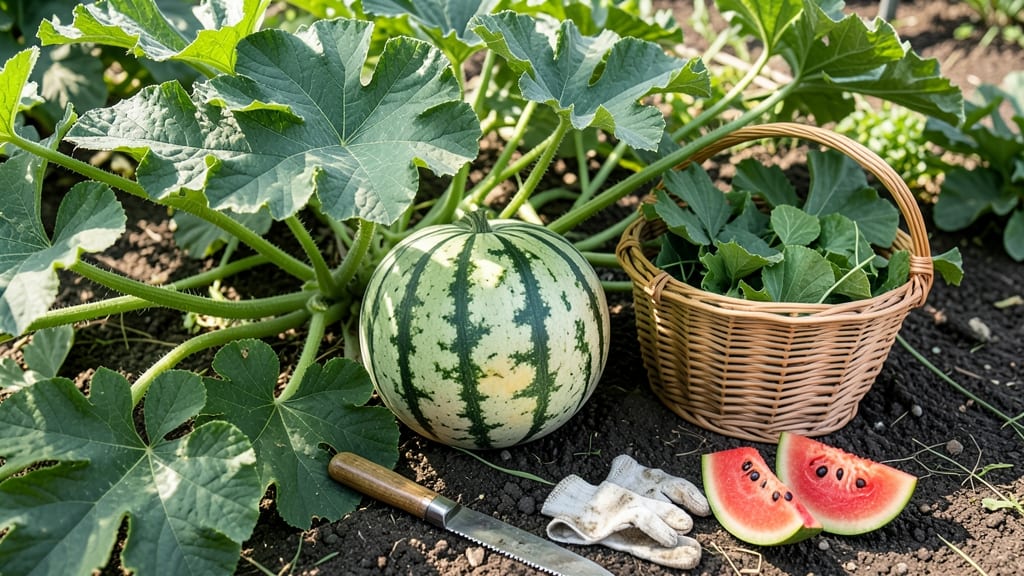
Harvesting a Sugar Baby watermelon 🍉 at the right moment means the difference between sweet, juicy perfection and tough, seedy disappointment — and the key is knowing exactly when to pull the trigger.
Picture this: you’ve spent weeks tending to your vines, and now the fruit is swelling, but how do you know if it’s ready? Picking too early means bland, underripe flesh, while waiting too long risks overripe texture and wasted effort.
The good news? There are simple, foolproof ways to tell when your Sugar Baby is at its peak.
Beyond just counting days, you’ll learn to spot the telltale signs: the color shift on the rind, the subtle change in the tendril near the stem, and even the sound it makes when you tap it. These tricks work every time, no guesswork involved.
In this guide, I’ll walk you through the three non-invasive tests that guarantee a perfectly ripe Sugar Baby, plus how to store it afterward so the sweetness lasts. Ready to turn your harvest into a homegrown success?

3 Non-invasive tests to determine Sugar Baby watermelon ripeness
Picking a Sugar Baby watermelon at the perfect moment means the difference between juicy sweetness and bland disappointment. Unlike larger watermelons, these small varieties ripen quickly—just 60-85 days after planting—and miss the window, and you’ll end up with fruit that’s either too hard or too seedy.
The good news? You don’t need to cut into the fruit to test ripeness. Instead, use these three simple, damage-free methods that even beginner gardeners can master with confidence.
First, let’s address the biggest myth: size isn’t a reliable indicator of ripeness. Sugar Baby watermelons typically weigh between 4-8 pounds at maturity, but some stay small even when fully ripe. That’s why visual and tactile tests are your best friends.
I’ve grown Sugar Babies for years, and these three tricks have never failed me—once I learned to read the subtle clues the plant gives. Ready to become a watermelon ripeness pro? Let’s dive in.
Look at the underside of the watermelon where it rests on the ground. When ripe, this spot turns from white or pale green to a creamy yellow. This color change signals the fruit’s sugars have fully developed.
Gently tap the watermelon’s blossom end (the flat side where the stem was attached). A ripe Sugar Baby will sound hollow and deep, like knocking on a drum. If it thuds like a solid ball, it’s not ready yet.
Check the small vine (tendril) closest to the watermelon. When it turns brown and crispy, the fruit is ready to harvest within 1-2 days. This is the most reliable sign for Sugar Babies.
The ground spot color is often the easiest test to spot, especially on cloudy days when other visual cues might be harder to judge. I always start here because it requires no physical contact with the fruit—just a quick glance.
For example, if you’re harvesting in the morning when dew is still on the leaves, wait until the sun dries the fruit slightly before checking. The color will be more accurate once the surface is dry.
Next, the thump test might feel a bit unscientific, but trust me—it works. I’ve used this method for years, and the difference between a ripe and unripe thump is night and day. Pro tip: Use your knuckles instead of your palm for a cleaner sound.
If you’re unsure, thump it twice—once near the blossom end and once near the opposite side. Both spots should sound hollow, or the fruit isn’t ready.
Don’t overlook the tendril dryness test, though. This is where many gardeners make mistakes by waiting too long. The tendril closest to the fruit is your best indicator because it’s directly connected to the vine’s nutrient flow.
Once it’s brown and brittle, the watermelon is at peak ripeness. If you see other tendrils drying but the one near your target fruit is still green, give it another day or two.
Here’s a bonus tip: harvest in the morning when temperatures are cooler. The fruit will be firmer and less prone to bruising, making it easier to transport. I’ve learned this the hard way—trying to harvest in the afternoon heat once led to a few bruised Sugar Babies that spoiled faster.
Always handle them gently, supporting the entire fruit with both hands to avoid cracks.
What if your watermelon passes all three tests but still feels a bit soft when you press it? This could mean it’s overripe, especially if the tendril has been dry for more than 3 days. Overripe Sugar Babies develop a slightly mushy texture and tougher seeds.
In this case, cut it open and enjoy it immediately—it’s still delicious, just not at its peak. For the best flavor, aim to harvest when the fruit meets all three ripeness criteria but hasn’t overstayed its welcome.
One common mistake I see is relying solely on the vine’s color. While a yellowing vine can signal maturity, it’s not enough on its own. The vine might turn yellow due to stress, disease, or simply old age.
Always combine the vine’s appearance with the other two tests for accuracy. For instance, if the vine is yellow but the ground spot is still white, the fruit needs more time.
Finally, remember that climate affects ripening time. In hot, dry summers, Sugar Babies ripen faster—sometimes in as few as 60 days. In cooler or cloudy conditions, they might take closer to 85 days.
Keep a harvest journal your first year to track how your local conditions influence ripeness. This way, you’ll get even better at predicting the perfect harvest window year after year.
Now that you’ve mastered these three tests, you’re ready to pick perfectly ripe Sugar Baby watermelons every time. There’s nothing like the satisfaction of slicing into a sweet, juicy fruit you knew was ready to harvest—no guesswork involved. Happy growing! 🍉
Sugar Baby watermelon growth timeline: days to maturity and size guide
Growing Sugar Baby watermelons is a rewarding experience, but timing your harvest correctly ensures the sweetest, most flavorful fruit. These compact varieties typically mature in 60-90 days from seed, though ideal harvest time often falls around 70 days under perfect conditions.
Understanding this growth timeline helps you plan your garden layout and anticipate when to check for ripeness.
Sugar Baby watermelons are known for their 4-8 pound size and sweet, tender flesh, making them perfect for small gardens or containers. Their vines spread 6-12 feet long but stay low to the ground, so they don’t need vertical support like larger varieties.
The key to success lies in monitoring both the days to maturity and the plant’s physical cues as it develops.
| Stage | Days After Planting | Key Growth Milestones | Harvest Ready? |
|---|---|---|---|
| Germination | 5-10 | Seeds sprout; first true leaves appear | No |
| Vine Establishment | 20-30 | Vines spread 3-6 feet; yellow flowers bloom | No |
| Fruit Development | 40-50 | Watermelons reach 3-5 pounds; tendrils near fruit dry | Monitor closely |
| Maturity | 60-90 | Fruit reaches 4-8 lbs; rind deepens in color | Yes |
Your local climate plays a huge role in how quickly Sugar Baby watermelons mature. In hot, dry regions, they may ripen faster—sometimes in as few as 60 days—while cooler or cloudy seasons can extend the timeline to 90 days or more.
For example, gardeners in Zone 9 or 10 often harvest earlier in spring or fall, while those in Zones 5-7 may need to start seeds indoors or use row covers to speed up growth.
Pay attention to the vine length and fruit size as well. If your vines are sprawling aggressively but the fruit hasn’t reached 4 pounds by day 70, it may need more sunlight or nutrients.
Conversely, if the vines are short and the fruit stays small, consider pruning excess vines to redirect energy to the developing melons.
Once you spot the first signs of ripeness—like a deep yellow ground spot or a brown, crispy tendril—use the thump test to confirm. A hollow sound means it’s ready to pick, while a dull thud suggests it needs more time.
Harvesting at the right moment ensures your Sugar Baby watermelons are bursting with sweetness, not bitterness.
🌱